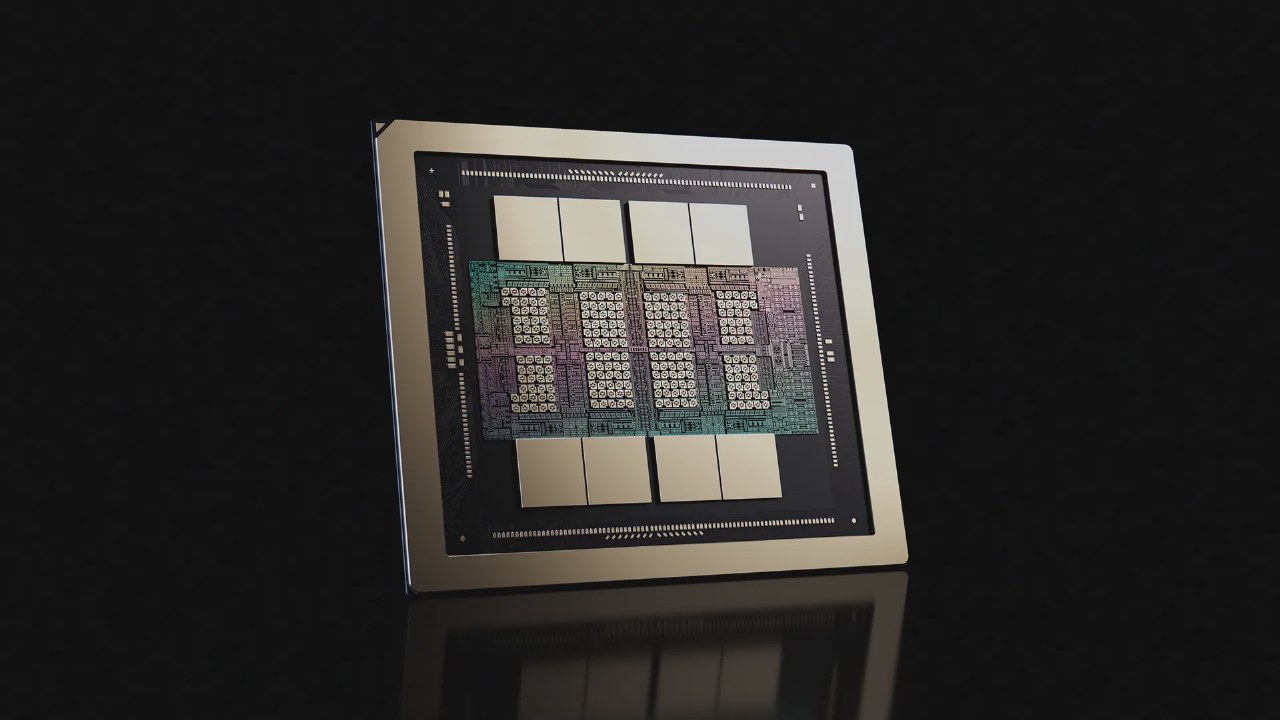
SpaceX aims to expand its AI compute capacity to approximately 10 gigawatts by the end of 2027, relying exclusively on Nvidia hardware. The company reported a capacity of 1.4 gigawatts at the end of the second quarter of 2026. The expansion strategy focuses on the Nvidia Vera Rubin architecture, specifically utilizing NVL72 and Kyber configurations.
The company targets exceeding 2 gigawatts of capacity by the end of 2026. SpaceX is also developing Starmind, an orbital AI platform using the same Vera Rubin systems, with initial satellite launches scheduled for 2027 and a major scale-up planned for 2028. The Memphis supercluster previously deployed 100,000 Nvidia H100 GPUs in 122 days.
SpaceX intends to retain 60% of its total capacity for internal projects, including xAI, the Grok chatbot, and Tesla. The remaining 40% is designated for external clients, with Google and Anthropic identified as potential partners. Despite supply chain constraints affecting components like cooling systems, the company maintains its current development targets.
Elon Musk projects the 10-gigawatt infrastructure could generate between $300 billion and $500 billion in annual recurring revenue, based on pricing of $30 to $50 per watt. Capital expenditures for the second quarter of 2026 reached between $15.8 billion and $18.4 billion.