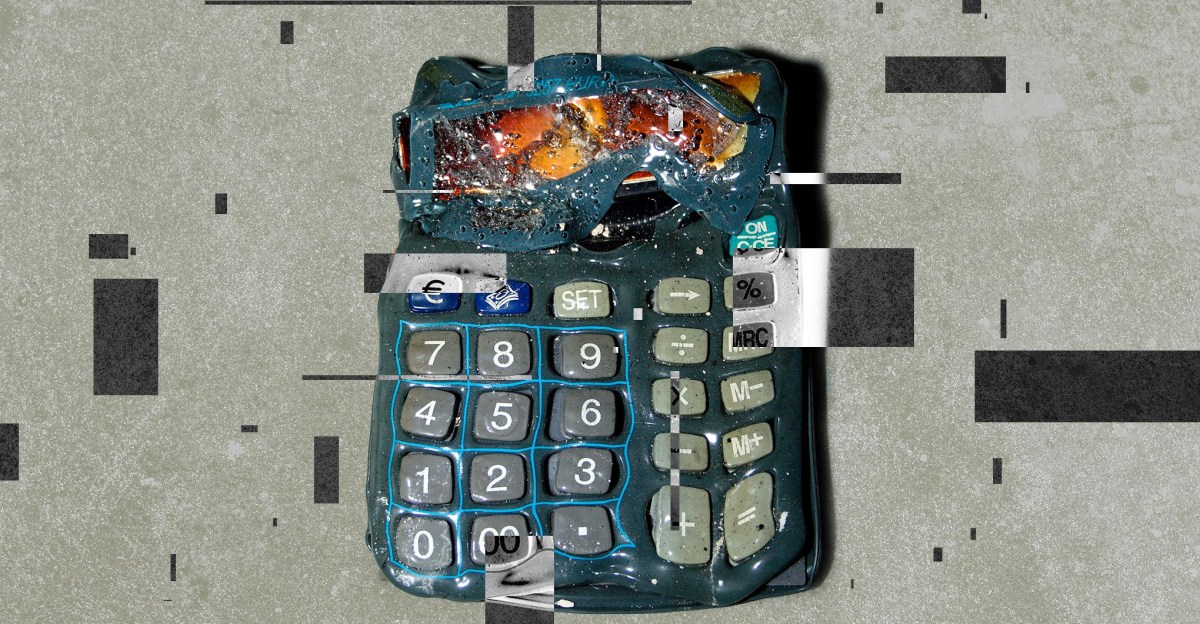
Google Achieves Quantum Error Correction Milestone on Willow Chip
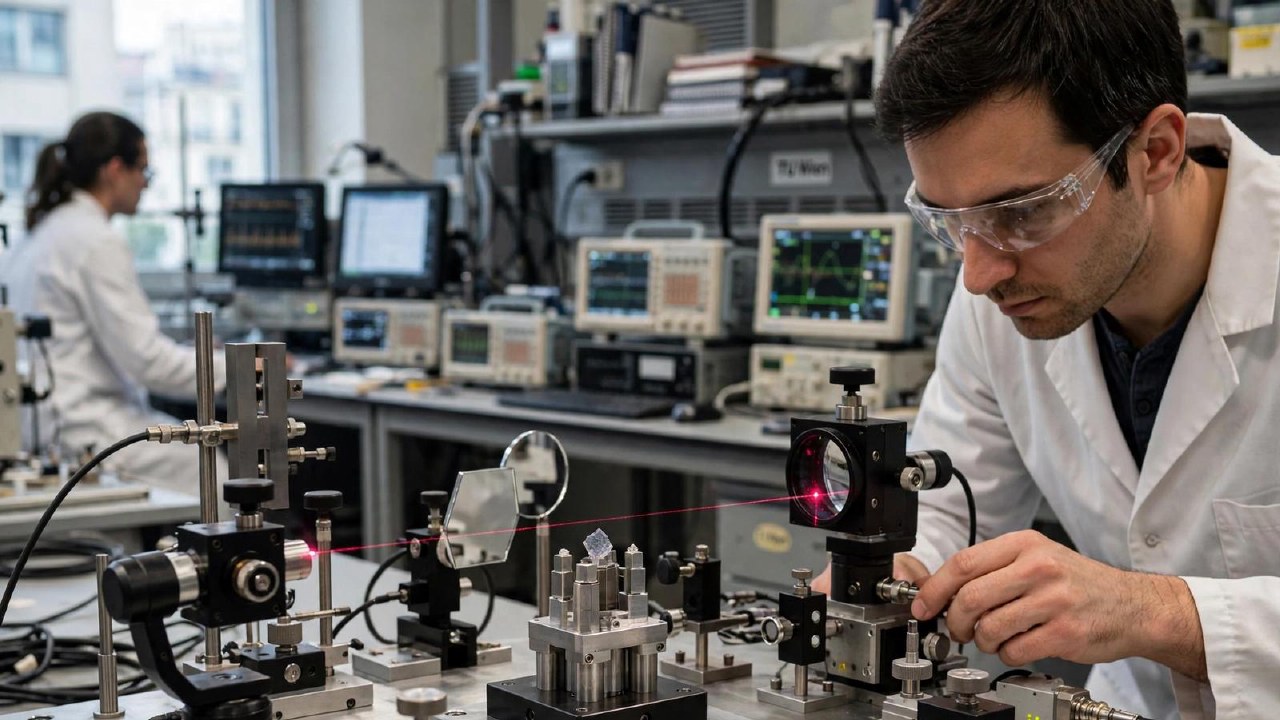
Google has validated a new quantum error correction technique on its Willow chip, achieving a 40-fold reduction in error rates and record-breaking T-state fidelity.
OpenAI is offering US university biology labs sponsored access to its GPT-Rosalind model, including up to 30 free seats and data privacy protections for academic research.

New observational data from the DESI and DES projects suggest that dark energy may evolve over time, challenging the standard Lambda-CDM cosmological model.

Google has achieved a 40-fold reduction in quantum computation errors using a new magic state distillation technique on its Willow processor.
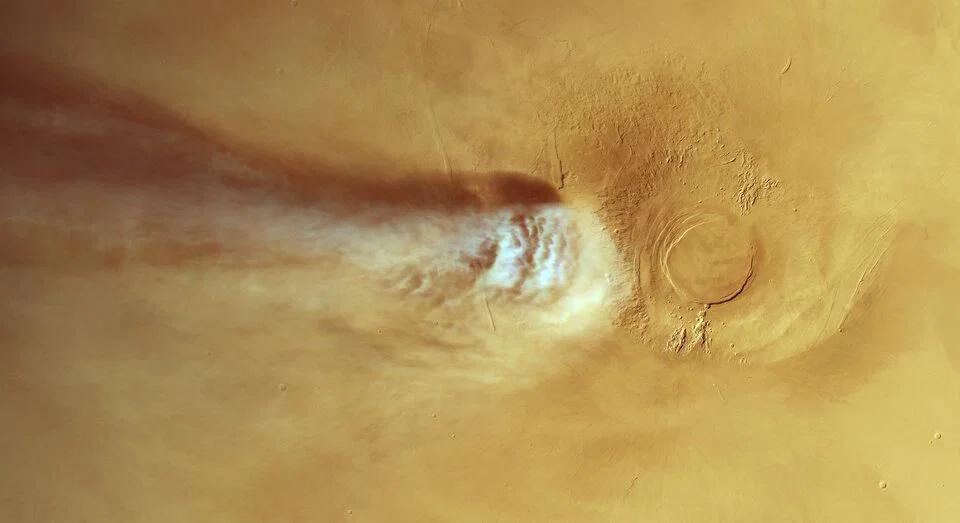
Researchers have discovered that a massive, recurring cloud on Mars forms through a rare physical process never before observed in any planetary atmosphere.

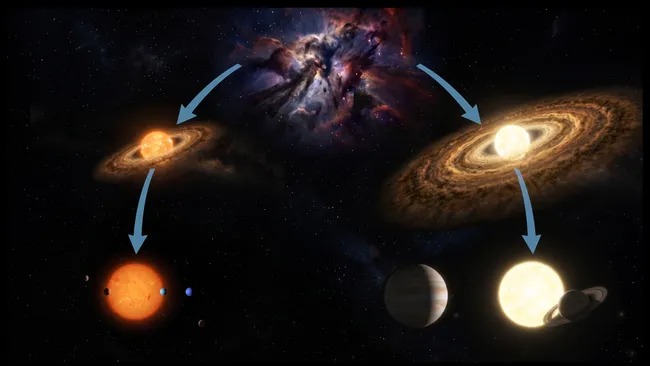
Researchers have identified two distinct types of planetary systems in the Milky Way, with the host star's properties determining their evolutionary fate and stability.

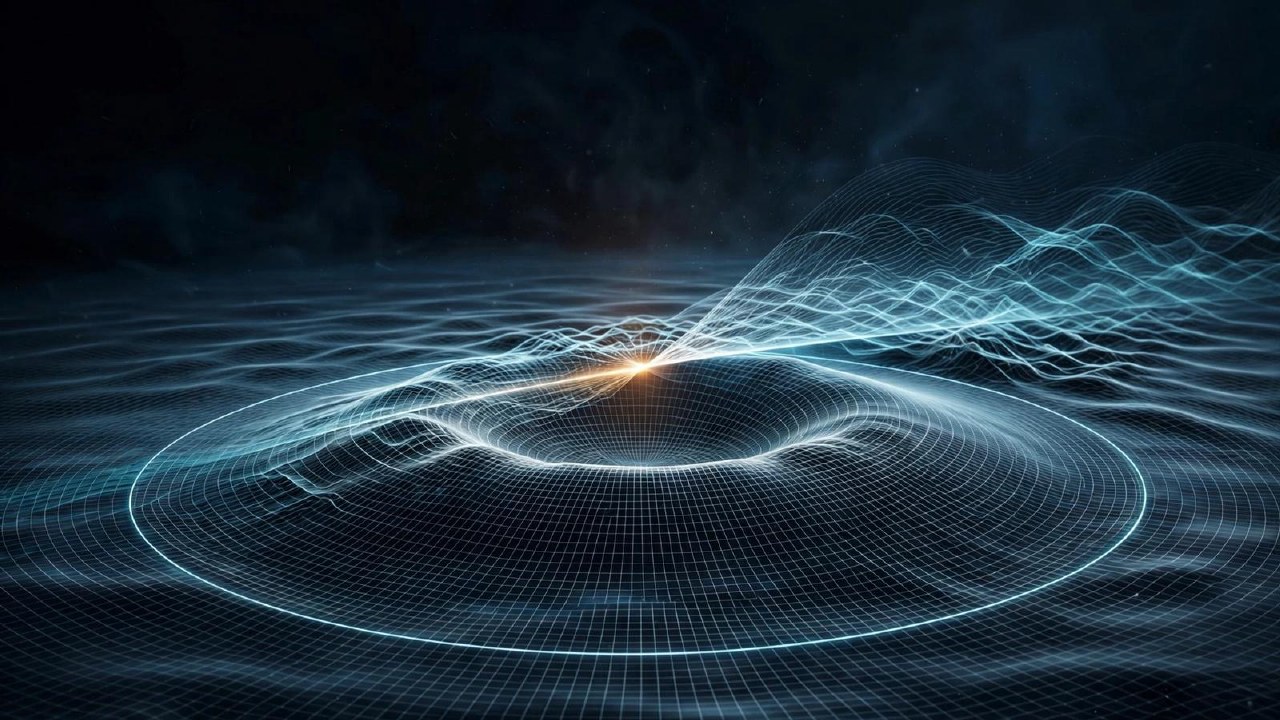
Physicists from the University of Leipzig have linked Einstein's gravitational equations to quantum information theory, proposing that spacetime geometry arises from quantum state changes.

Boris Cherny used 12 AI agents to transform 64 scientific papers into interactive browser-based labs, enabling users to replicate experiments and verify results.

Researchers have experimentally confirmed that electrons can tunnel through atomic defects in correlated groups, potentially enabling new sources for quantum technologies.
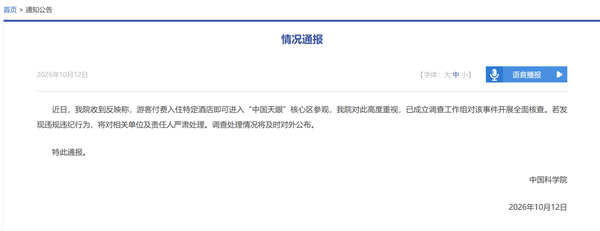
The Chinese Academy of Sciences is investigating reports that tourists gained unauthorized access to the FAST radio telescope core zone by paying for a hotel package.

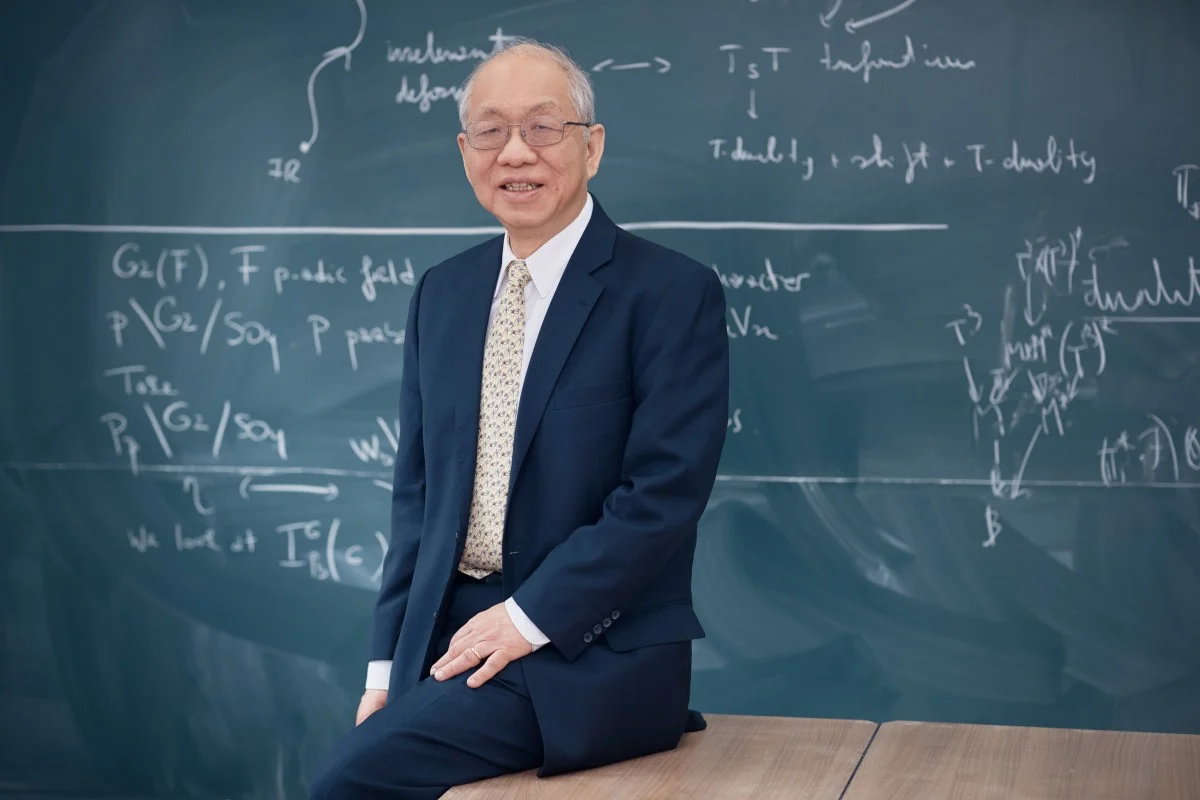
Shing-Tung Yau has launched an alliance of eight research institutions to integrate AI into mathematical research, aiming to coordinate 1,000 scientists and establish new verification standards.

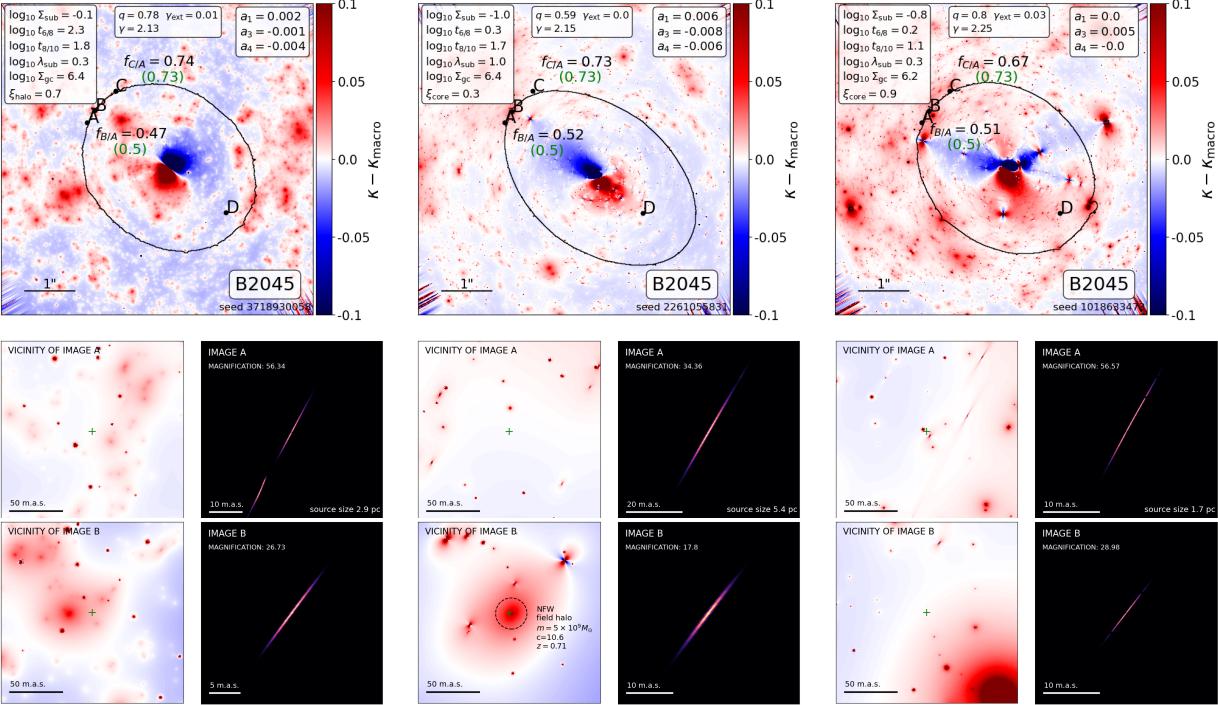
Researchers used the James Webb Space Telescope to test the self-interacting dark matter hypothesis by analyzing gravitational lensing effects on 29 distant quasars.

TikTok CEO Shou Zi Chew expects AI to trigger major scientific breakthroughs in physics, biotechnology, and materials science within the next three years.

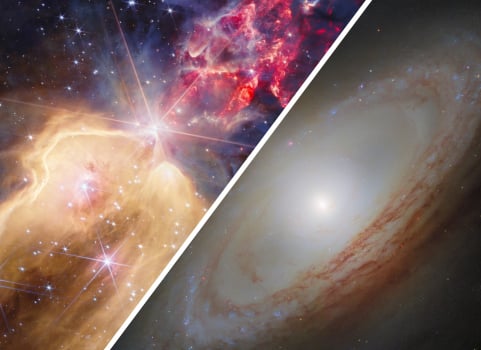
NASA and the European Space Agency have released new images from the James Webb and Hubble telescopes, documenting stellar nurseries, unique galactic structures, and distant gravitational lensing.

Researchers at TU Wien have unveiled a self-stabilizing nuclear clock prototype that achieves a precision of 1 second per 30 million years using thorium nuclei.

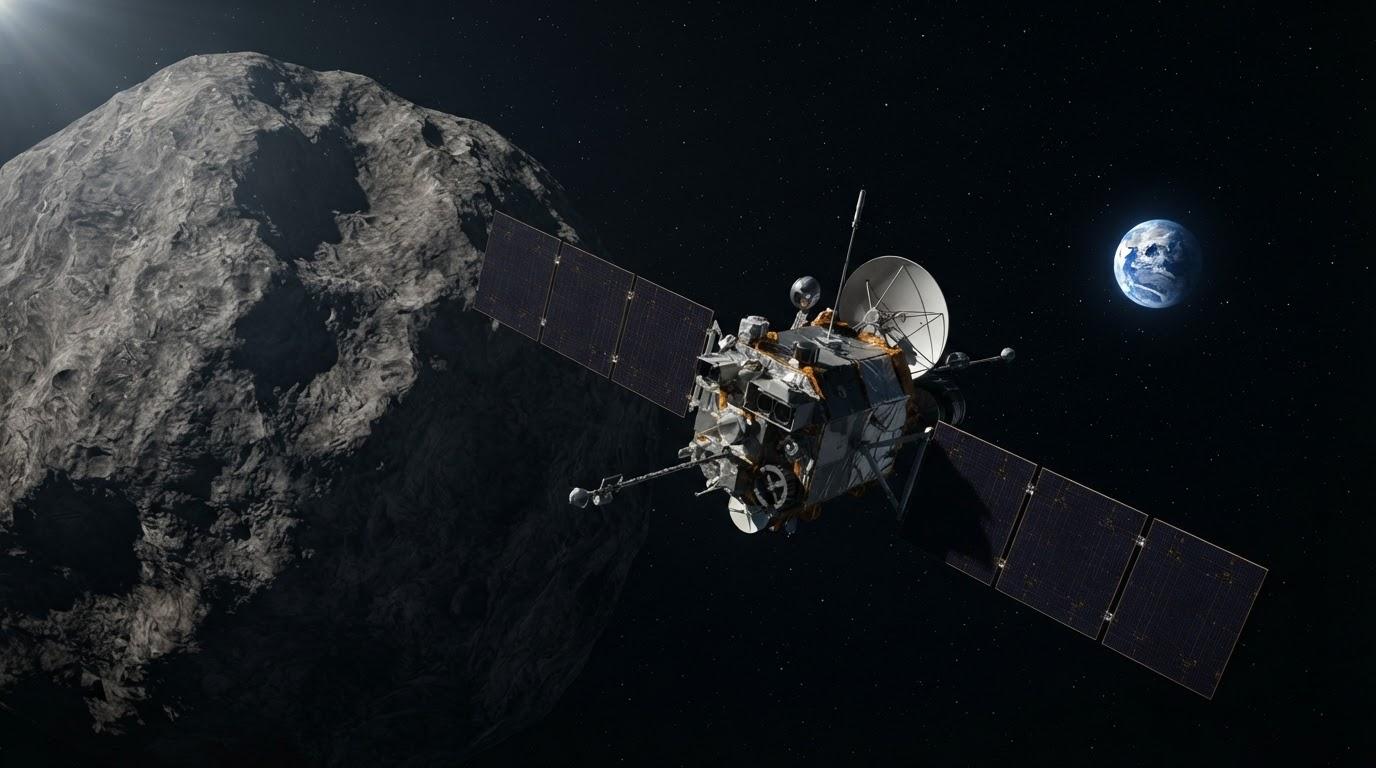
Moscow State University is designing a specialized probe to study the asteroid Apophis during its close approach to Earth in April 2029.

Researchers have identified that a recurring 1,800-kilometer cloud on Mars forms through homogeneous nucleation, a theoretical physical process previously unobserved in nature.

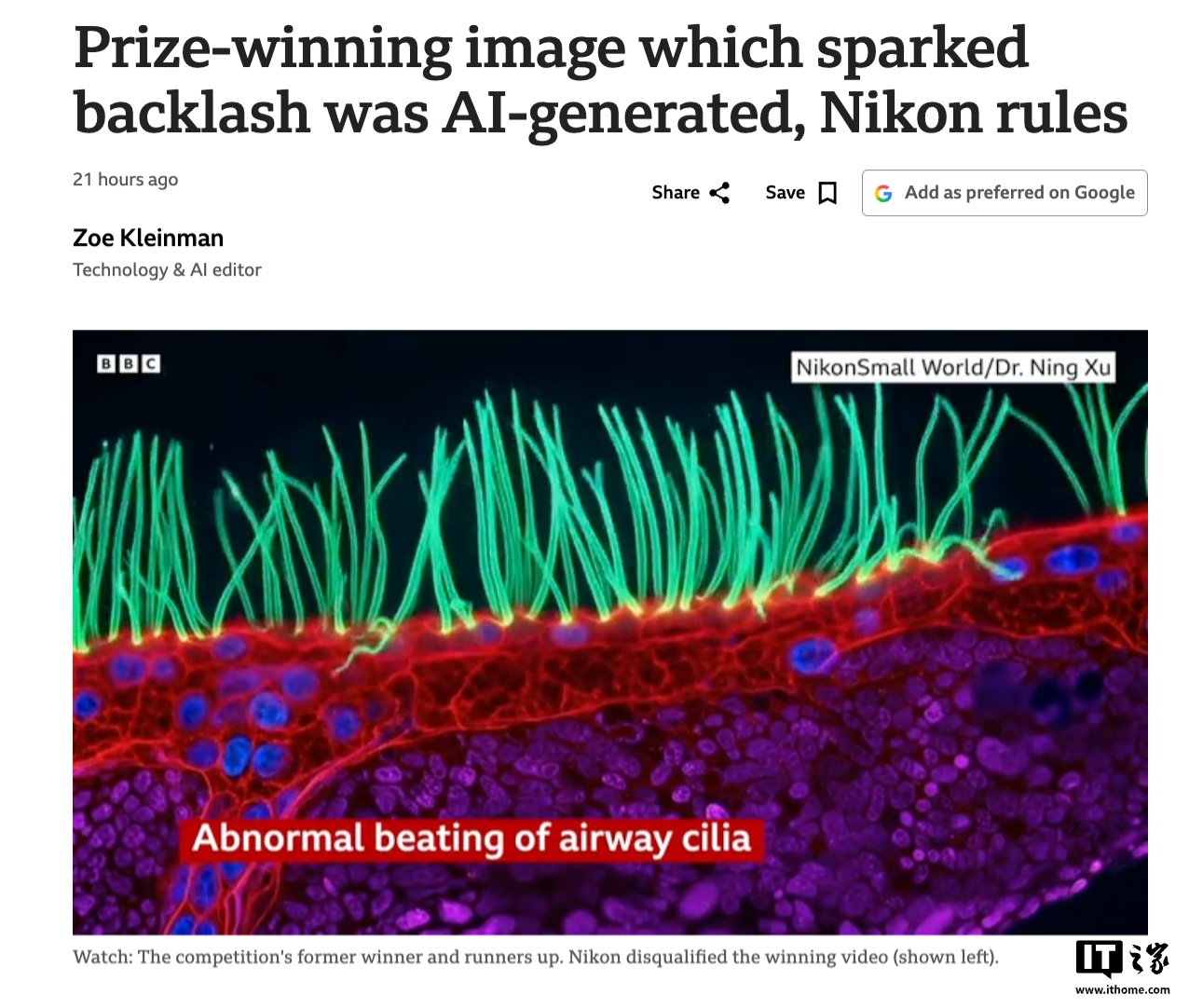
Nikon has revoked the 2026 Small World in Motion microscopy contest win from Dr. Ning Xu due to violations of generative AI usage policies.

Stephen Hawking's 1974 research introduced the concept of black hole evaporation, suggesting that these objects emit thermal radiation and can end in explosive bursts.

OpenAI has released over 700 manuscripts containing nearly 400 AI-generated mathematical results, sparking both academic concern and interest regarding their validity and impact.