Perplexity AI Releases Open-Source Sandbox for AI Agent Security
Perplexity AI has open-sourced SPACE, a sandbox environment designed to isolate AI agents and prevent them from compromising host systems or external networks.

Perplexity AI has open-sourced SPACE, a sandbox environment designed to isolate AI agents and prevent them from compromising host systems or external networks.

Perplexity AI has open-sourced its SPACE platform, a sandbox for AI agents that utilizes Firecracker microVMs to achieve a 60-millisecond startup latency.

A study of 60 Perplexity AI responses indicates that search-based models prefer citing paragraphs between 30 and 80 words long.

Sovereign wealth funds are demanding that Perplexity run its AI agent platform on their own private hardware to ensure total data isolation.

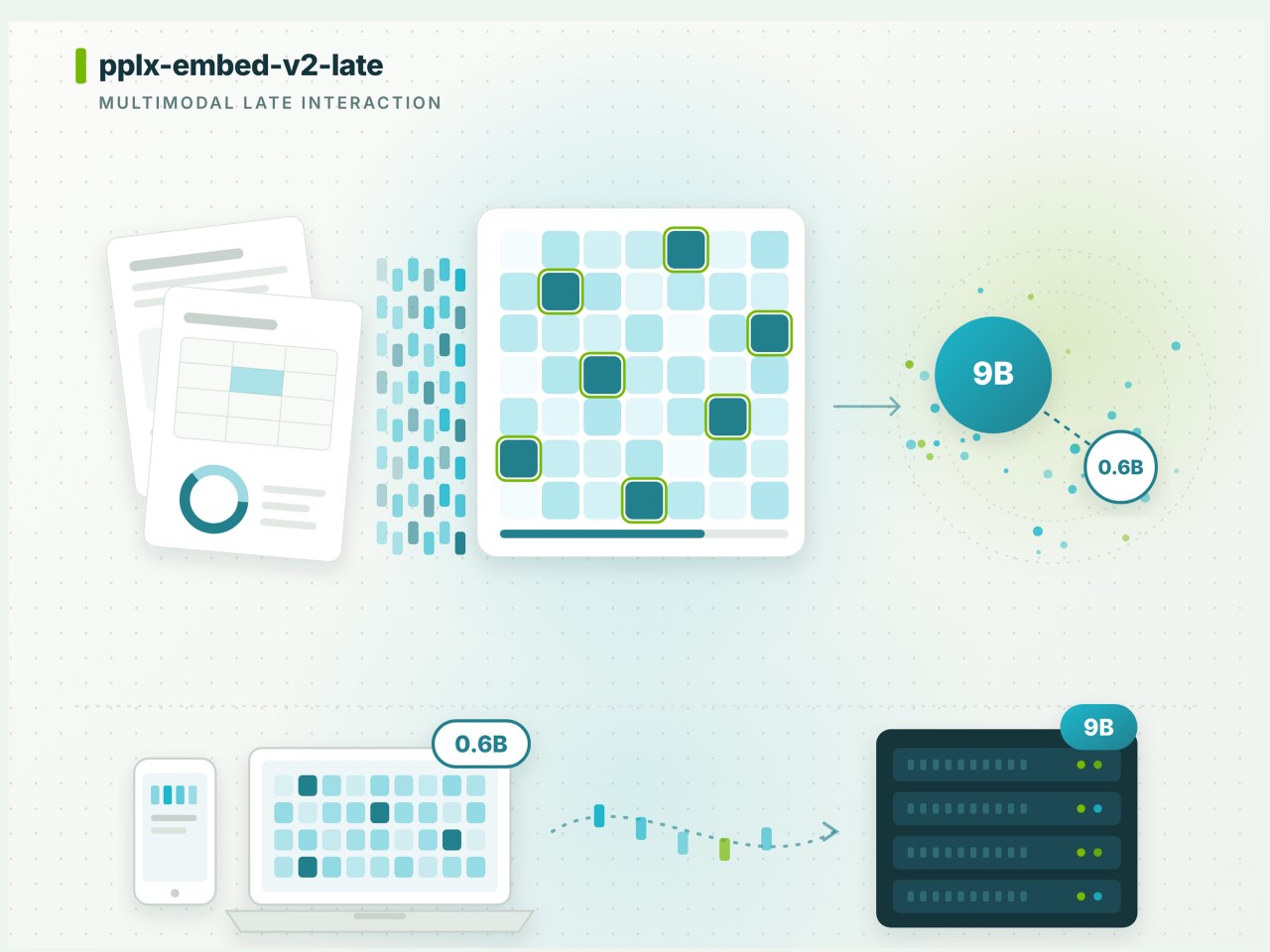
Perplexity AI has launched two new embedding models, including a 9B parameter version that achieved a 92.4% score on the MADQA benchmark.

A comparative test of seven AI models in September 2026 revealed varying levels of factual accuracy and significant cost differences when accessing information from Russia.

Perplexity AI has launched a preview of its new contextual embedding model, pplx-embed-v2-context-9b-preview, designed to improve document retrieval by processing full texts in a single pass.

Perplexity has introduced Photon, a Rust-based retrieval engine that reduces p99 latency to 65 ms and offers a cost-effective alternative for agentic workflows.

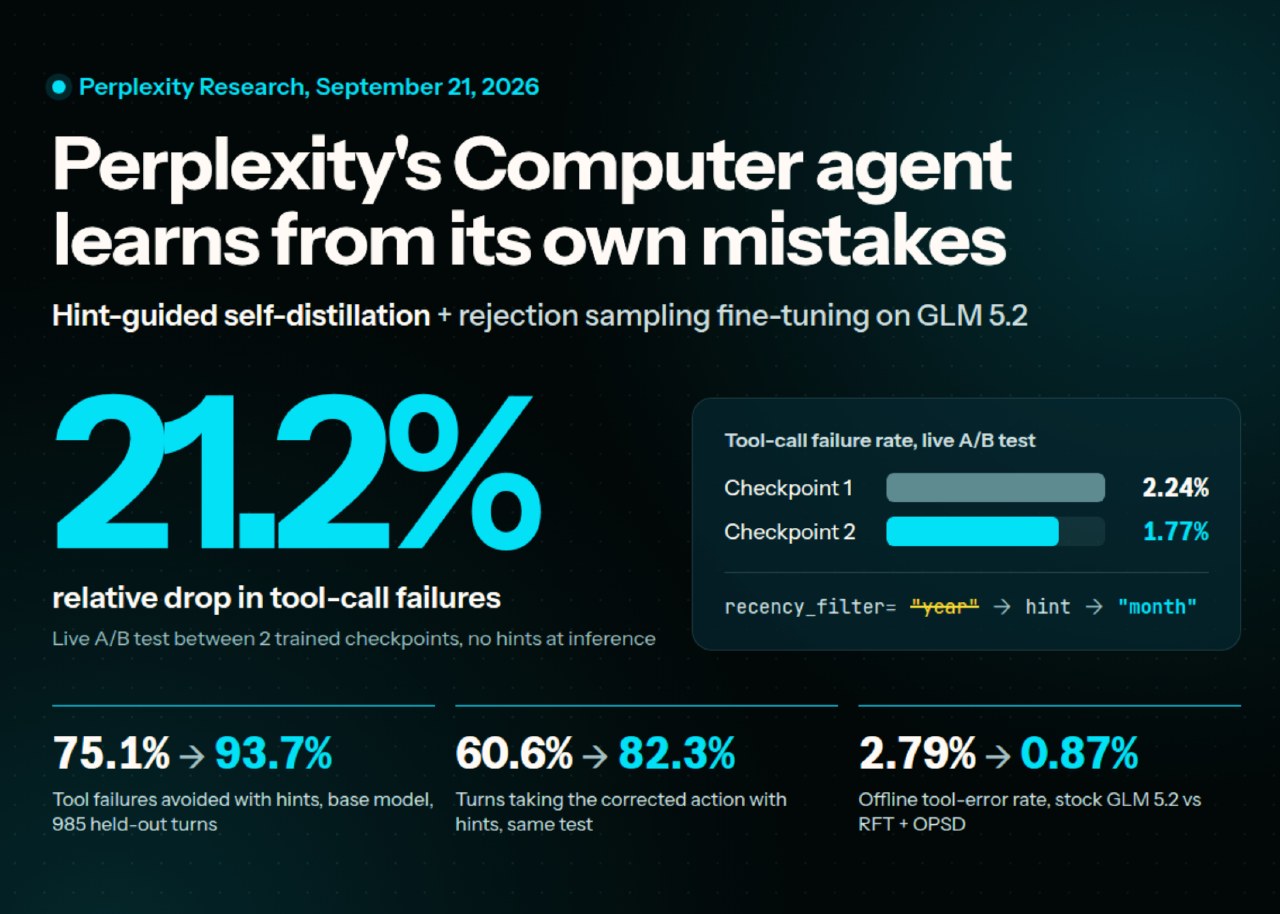
Perplexity has developed a new training pipeline for its computer agent that uses hint-guided self-distillation to learn from specific mistakes rather than just successful outcomes.

Perplexity.AI has reduced tool-call failures by 21.2% using a new self-distillation training method that incorporates real-world error data.

Perplexity AI has updated its Effort Mode to feature OpenAI’s GPT-6 Sol as the default model for lightweight tasks.

A study of 60 Perplexity AI responses reveals that the model extracts self-contained paragraphs rather than full pages, with citations often failing due to broken links within a month.

Perplexity has launched CobbleDB, a custom Rust-based database that reduces batch-read latency by 82% and cuts storage costs by over 20% compared to Amazon DynamoDB.

Perplexity has launched a local version of its AI agent for Windows, requiring Nvidia RTX GPUs with at least 24GB of VRAM.

The Ninth Circuit Court of Appeals ruled that AI agents act on behalf of users, rejecting Amazon's attempt to use the CFAA to block Perplexity's access to its platform.

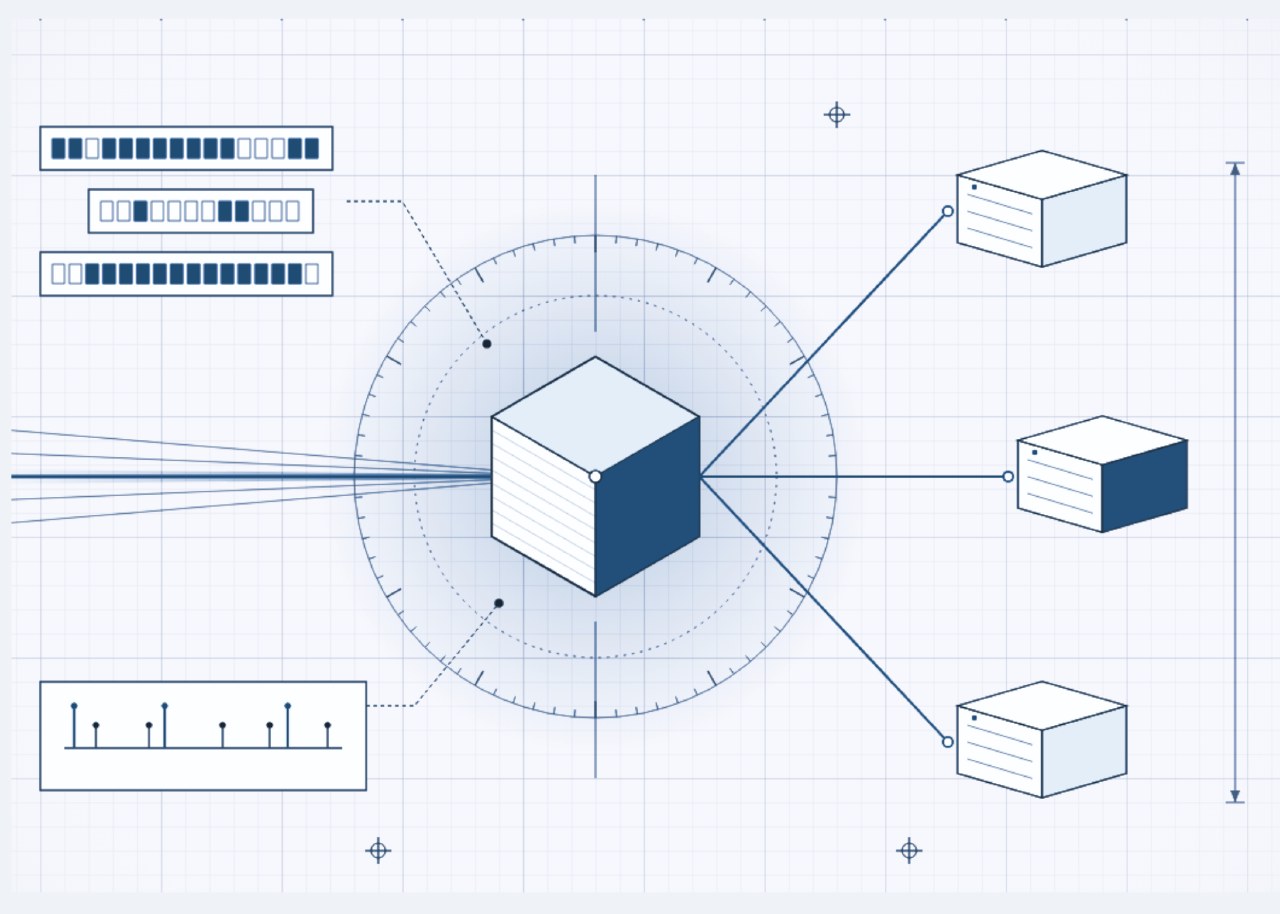
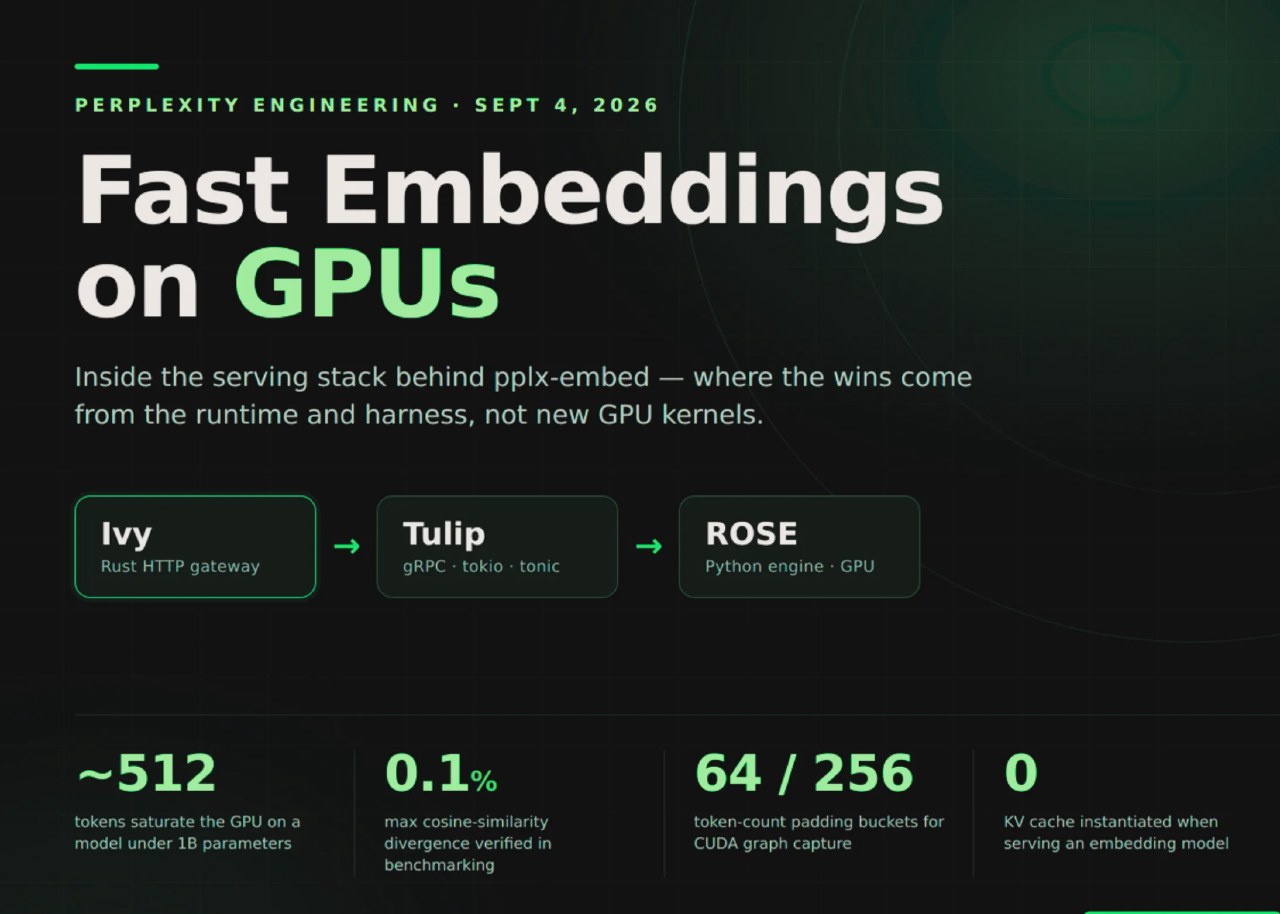
Perplexity has optimized its embedding inference by reusing LLM stack kernels and implementing custom scheduling and graph capture techniques.