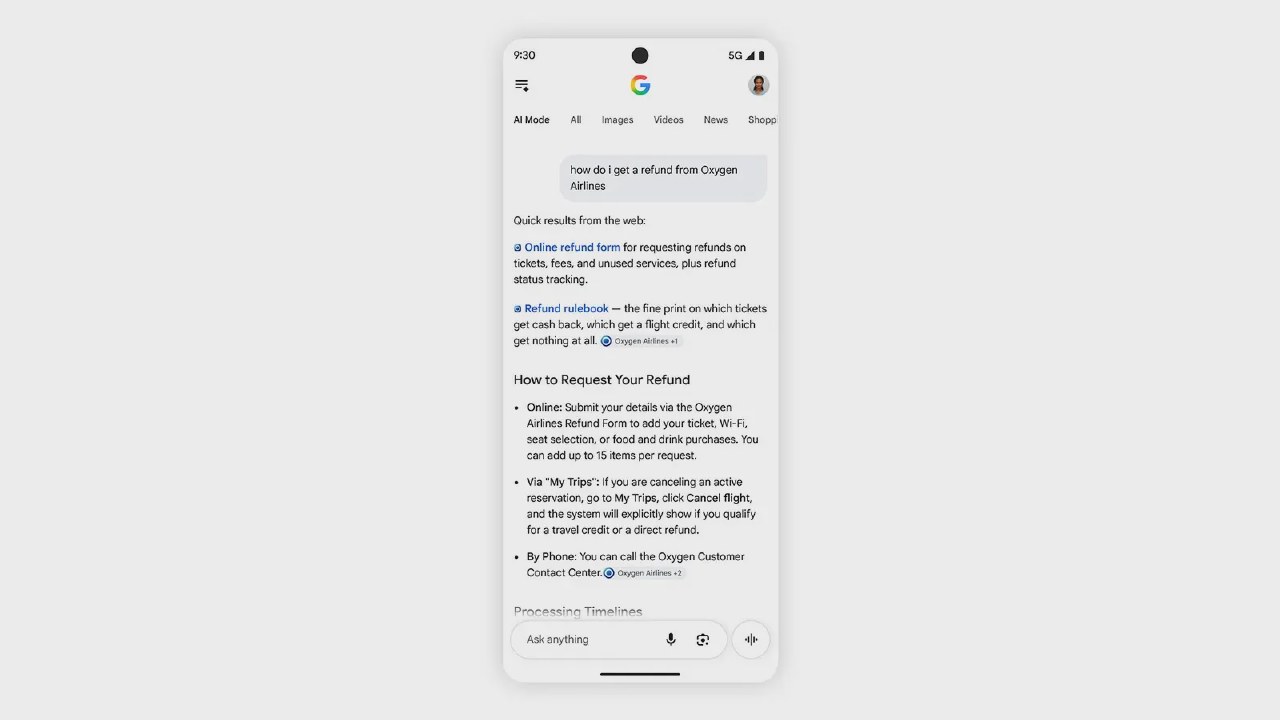
An analysis of 60 responses from Perplexity AI, generated from 20 prompts, revealed how the model utilizes source content. Out of 1,355 citations, 948 links remained active, and 448 of these contained a passage covering at least one-third of the answer's claim. The model typically extracts self-contained paragraphs of approximately 49 words rather than entire pages.
The research indicates that Perplexity does not perform verbatim copying; only 12 out of 948 citations showed an 80% word match. The model operates on segments defined by structural tags like paragraphs, list items, and table cells. On a typical page, the model uses a median of two such segments out of 85 available, regardless of their position on the page.
The study highlights that 48 out of 194 URLs became inaccessible within one month of the initial data collection. This suggests that researchers should archive HTML source content immediately during the testing phase. Furthermore, the analysis warns that metrics for evaluating AI citations are highly sensitive to how text is segmented and how similarity formulas are calculated.
The findings suggest that for content to be cited by Perplexity, it should be structured as self-contained paragraphs that include facts, figures, and context. Avoiding pronouns or references to other parts of the document increases the likelihood of a passage being used. The research was conducted on a Russian-language dataset using the sonar-pro model.