

Money
Big Tech Turns to Nuclear Reactor Upgrades to Power AI
Tech companies are investing billions in upgrading existing nuclear reactors to meet the surging electricity demands of AI data centers.
October 13, 2026, 06:38 PM·Crypto Briefing

Tech companies are investing billions in upgrading existing nuclear reactors to meet the surging electricity demands of AI data centers.
Nearly all 94 U.S. nuclear reactors have integrated AI to manage operations, regulatory compliance, and documentation as industry demand surges.
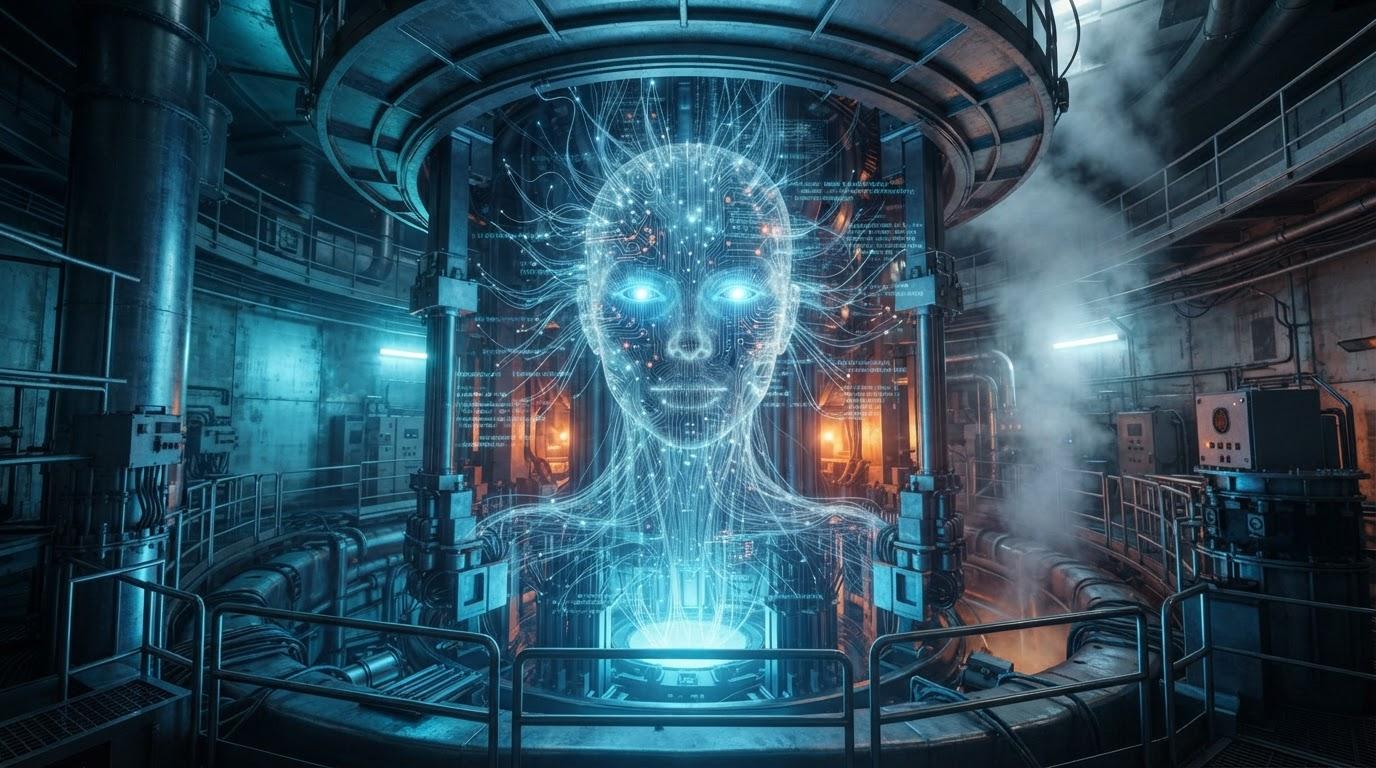
US nuclear power plants are deploying AI assistants to manage technical documentation and regulatory compliance, addressing workforce shortages and rising electricity demand.
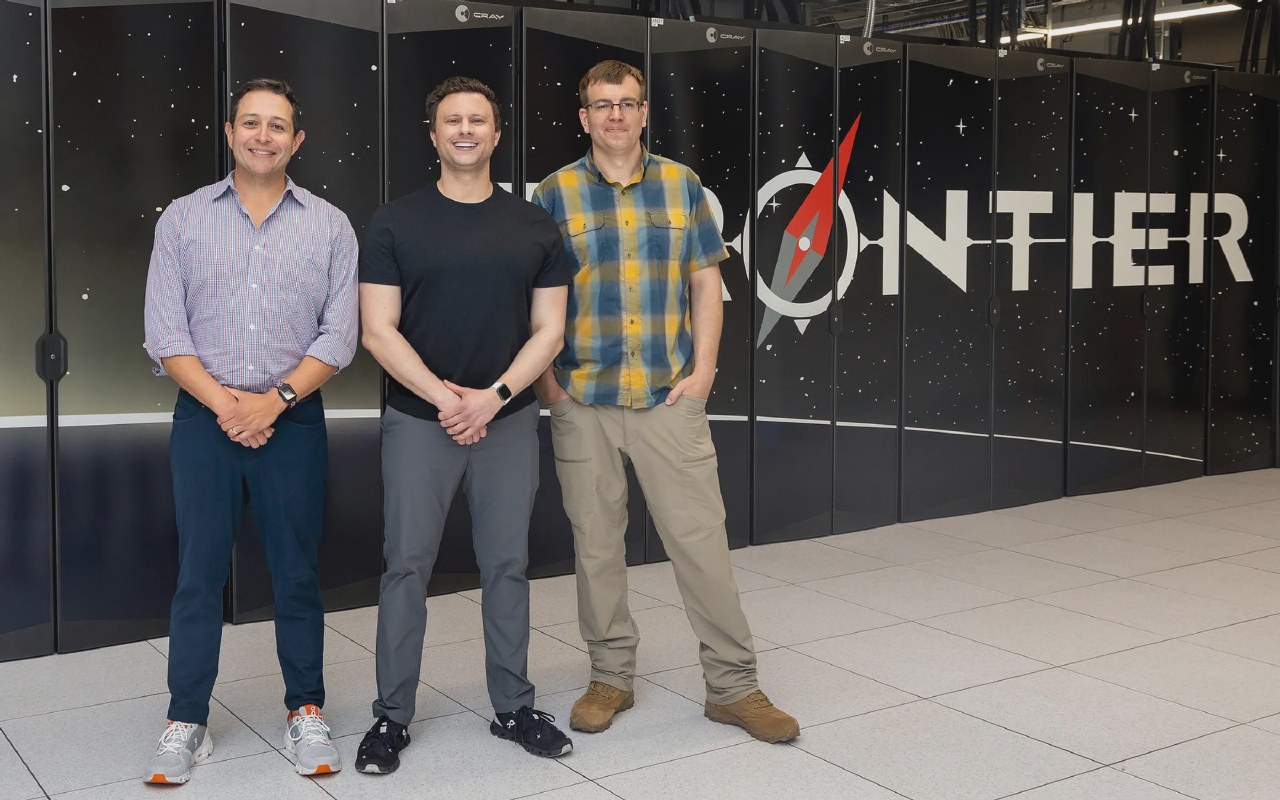
Rosatom has integrated a digital operator support system into the Rooppur NPP in Bangladesh, utilizing a digital twin to monitor 7,000 parameters across two power units.
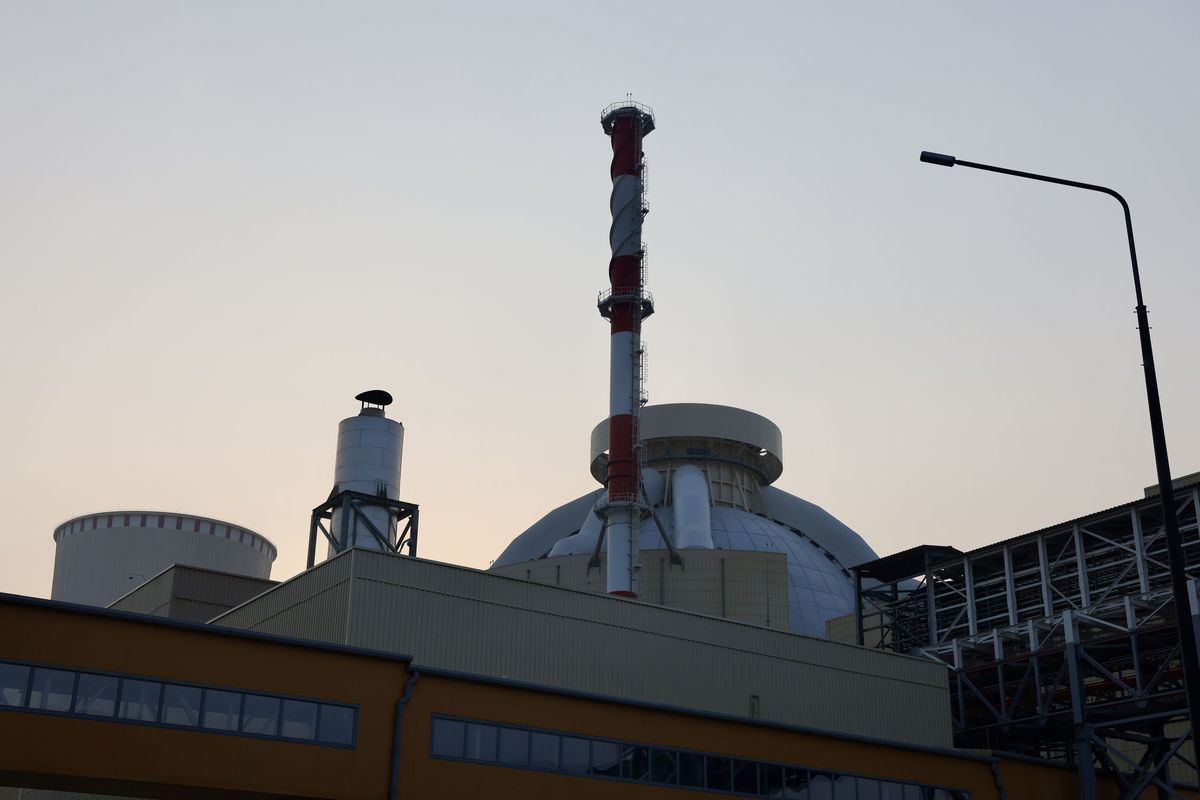
Rosatom has successfully tested the primary circuit of the first reactor at Turkey's Akkuyu NPP at pressures 1.5 times higher than standard operating levels.
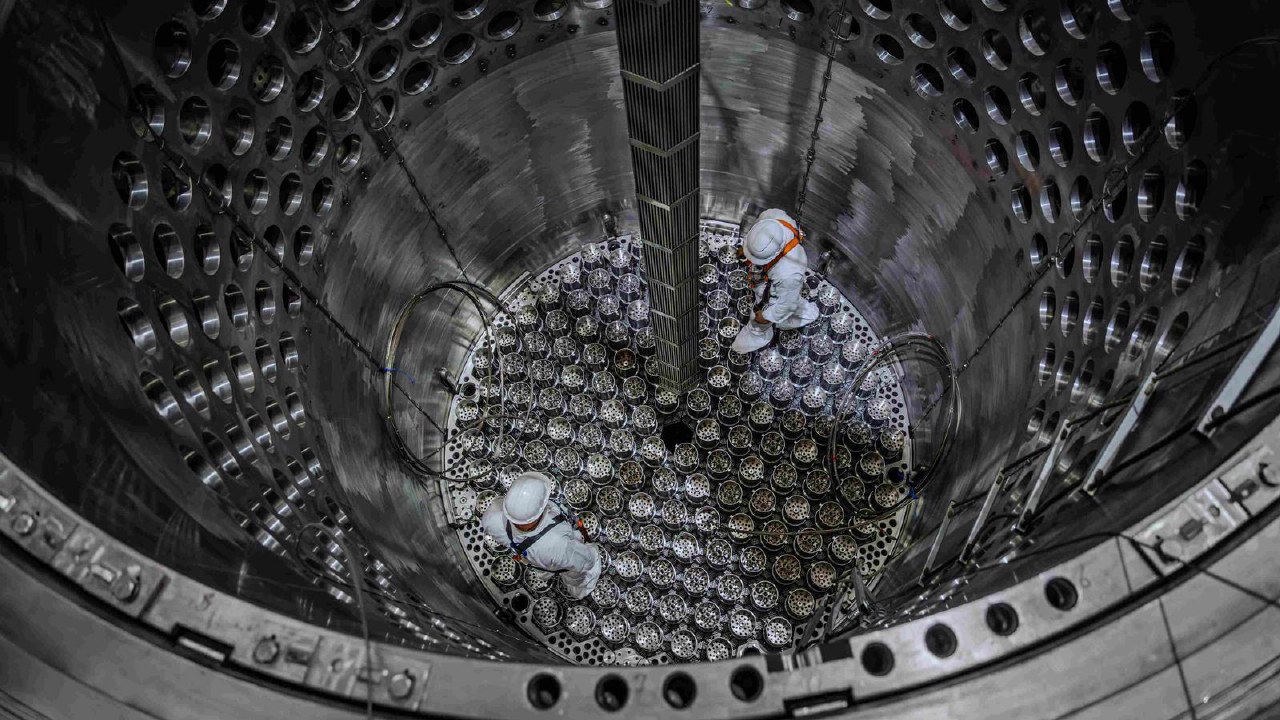
NASA and the U.S. Department of Energy have formed a partnership to develop nuclear power and propulsion systems for future lunar and deep-space exploration missions.
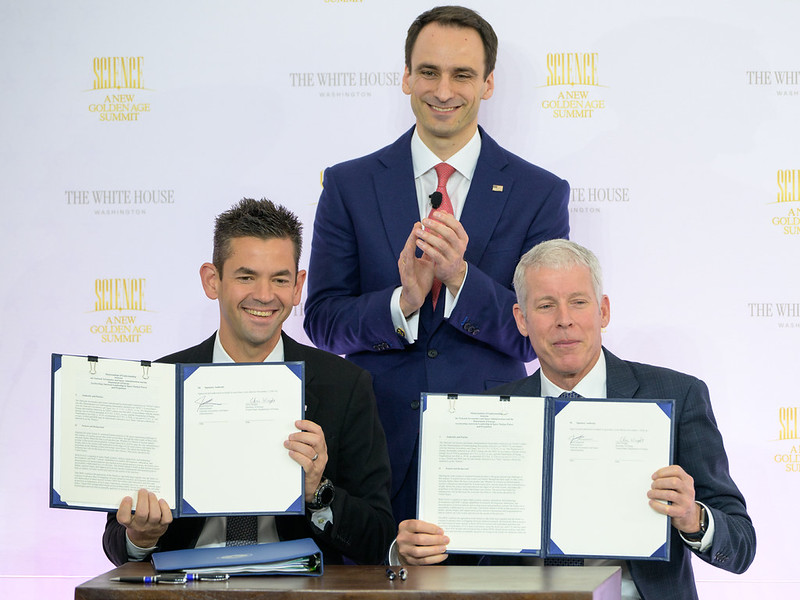
TEPCO has introduced an AI system to expedite the complex regulatory documentation process required for restarting nuclear reactors in Japan.
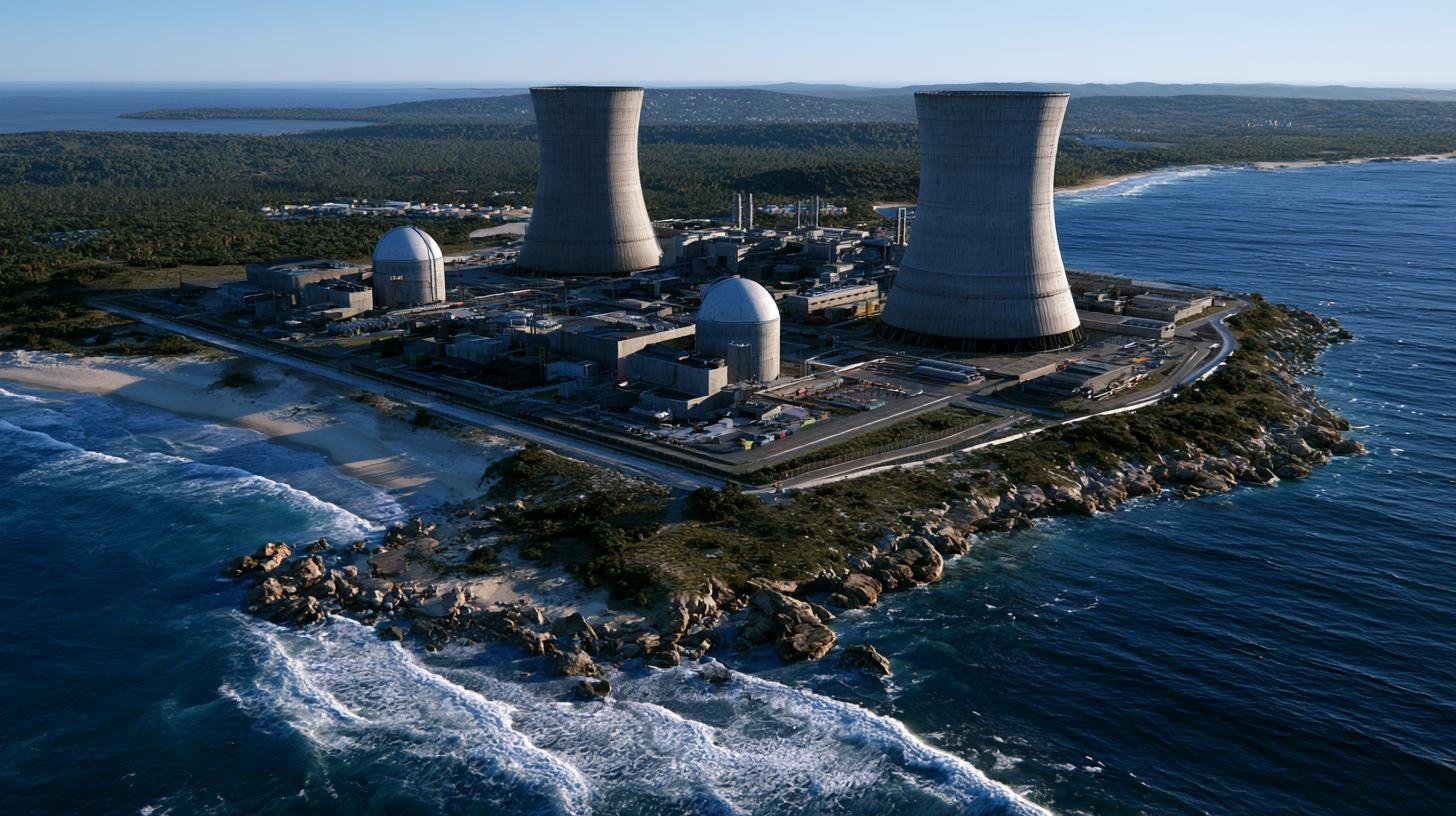
Google has signed long-term contracts with Constellation to secure nuclear energy for its data centers, investing in plant upgrades to boost capacity by 890 MW.

Google has committed to a 20-year deal with Constellation Energy to secure 890 megawatts of nuclear power, supporting a $4.3 billion infrastructure upgrade.
VanEck CEO Jan van Eck argues that expanding nuclear power capacity could lower energy costs, boosting AI development and reducing the need for Bitcoin miners to sell their holdings.

Google signed a 20-year deal with Constellation to modernize nuclear power plants, aiming to add 890 megawatts of capacity to support its growing data center energy needs.

Google has signed a 3.59 GW energy agreement with Constellation to upgrade nuclear power infrastructure and develop AI-driven energy solutions.
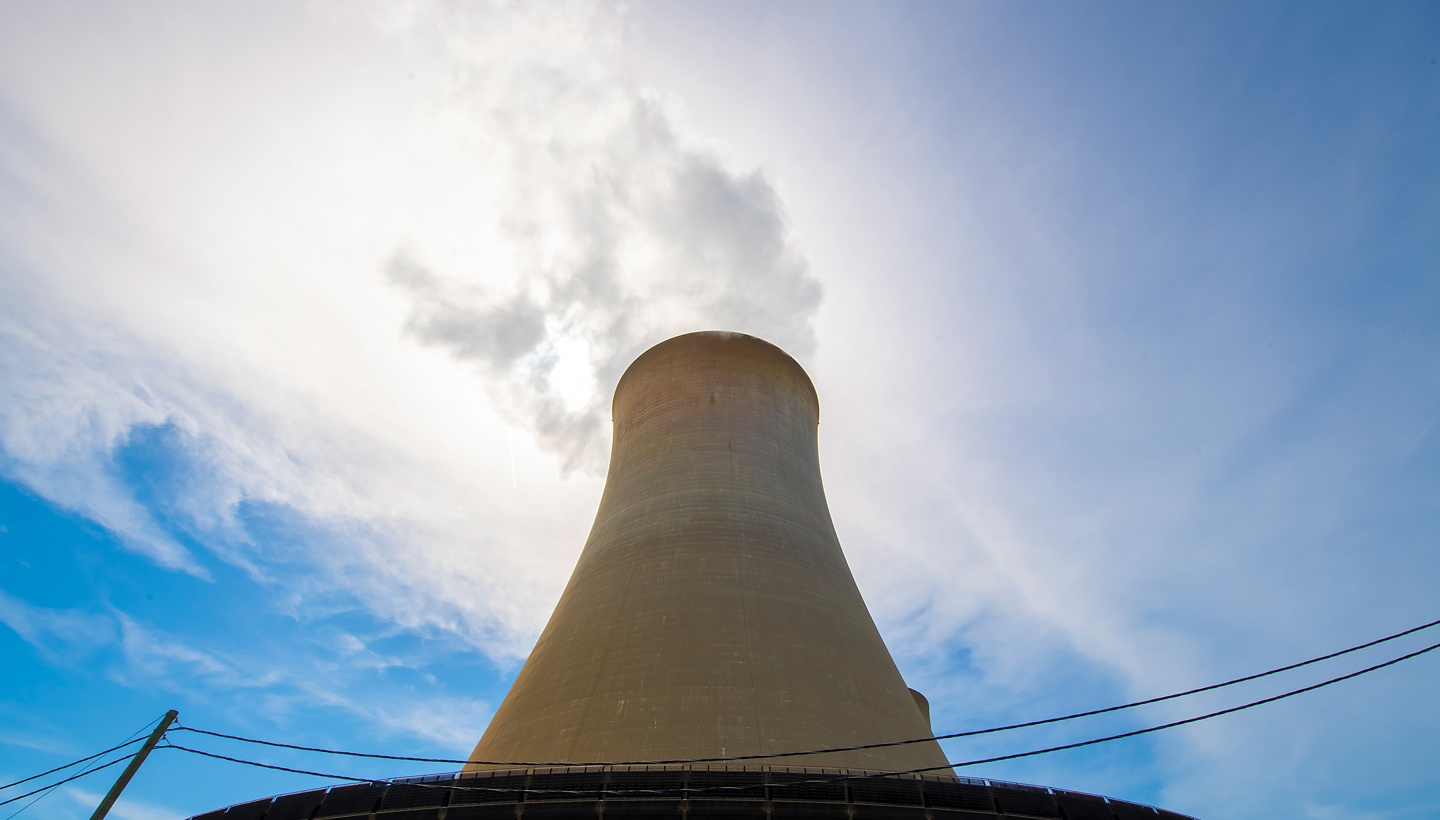
Nvidia is leveraging AI to accelerate the deployment of nuclear energy, aiming to power the next generation of large-scale AI data centers.

The US Department of Energy has granted $1 million to a research team to develop methods for protecting advanced nuclear reactors from chemical corrosion caused by fission byproducts.
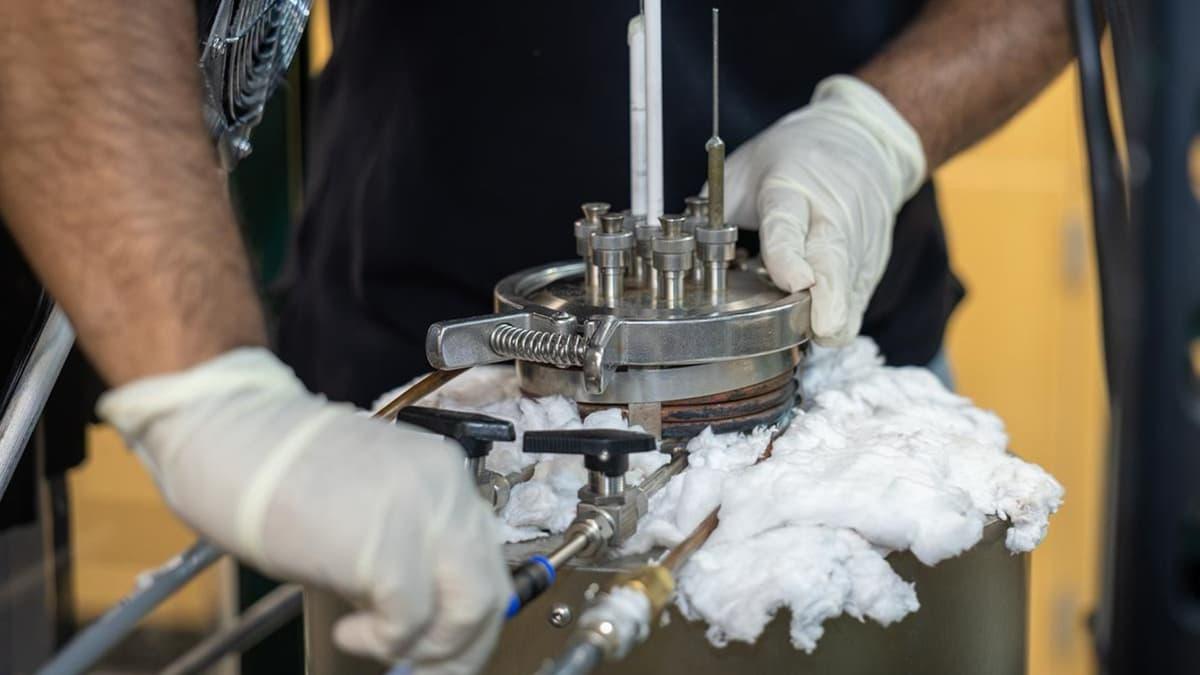
Japanese firm BeABLE is building a 3,000-square-meter facility in Futaba to develop physical AI robots for high-radiation nuclear decommissioning tasks, with operations starting in March 2027.
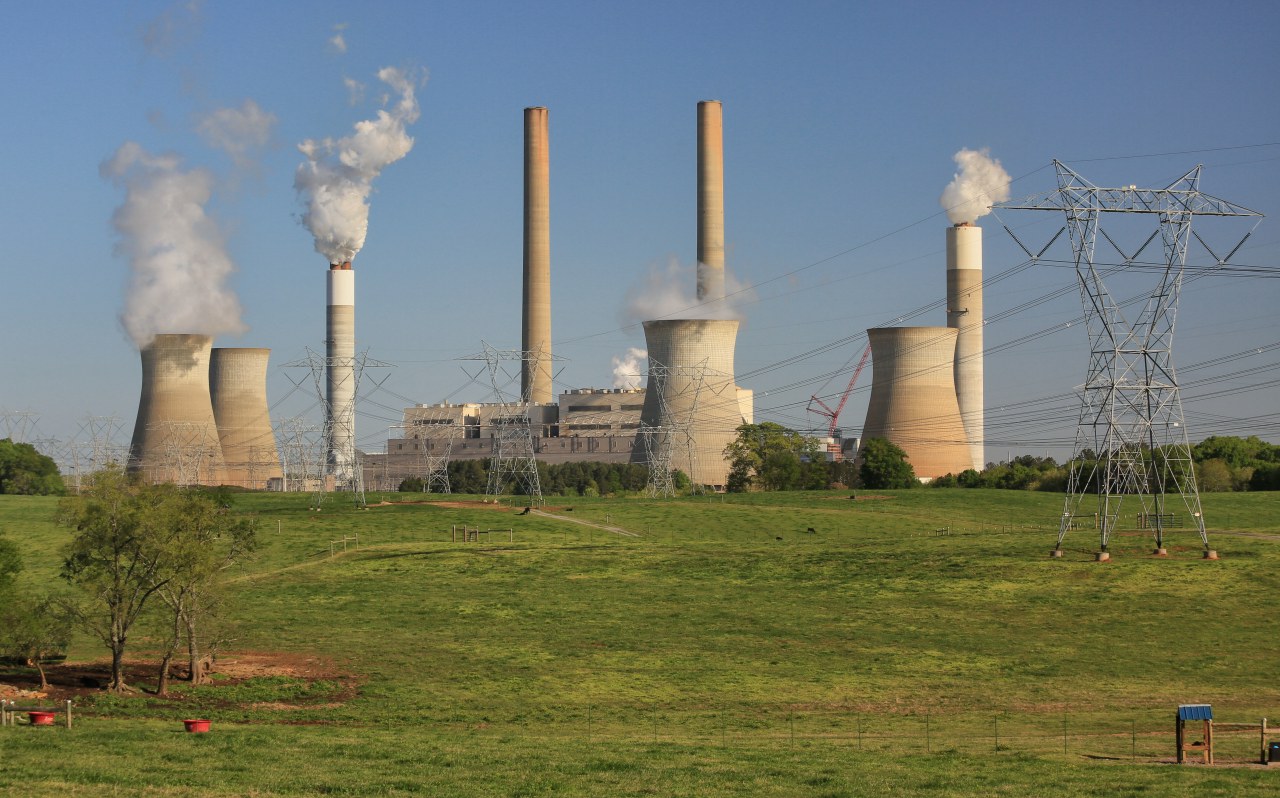
Canada has launched a specialized center to develop radioactive power sources for deep space missions, aiming to build a domestic supply chain by 2030.

The US Department of Energy is launching a $400 million research initiative covering fusion and nuclear physics, with potential long-term benefits for the space sector.
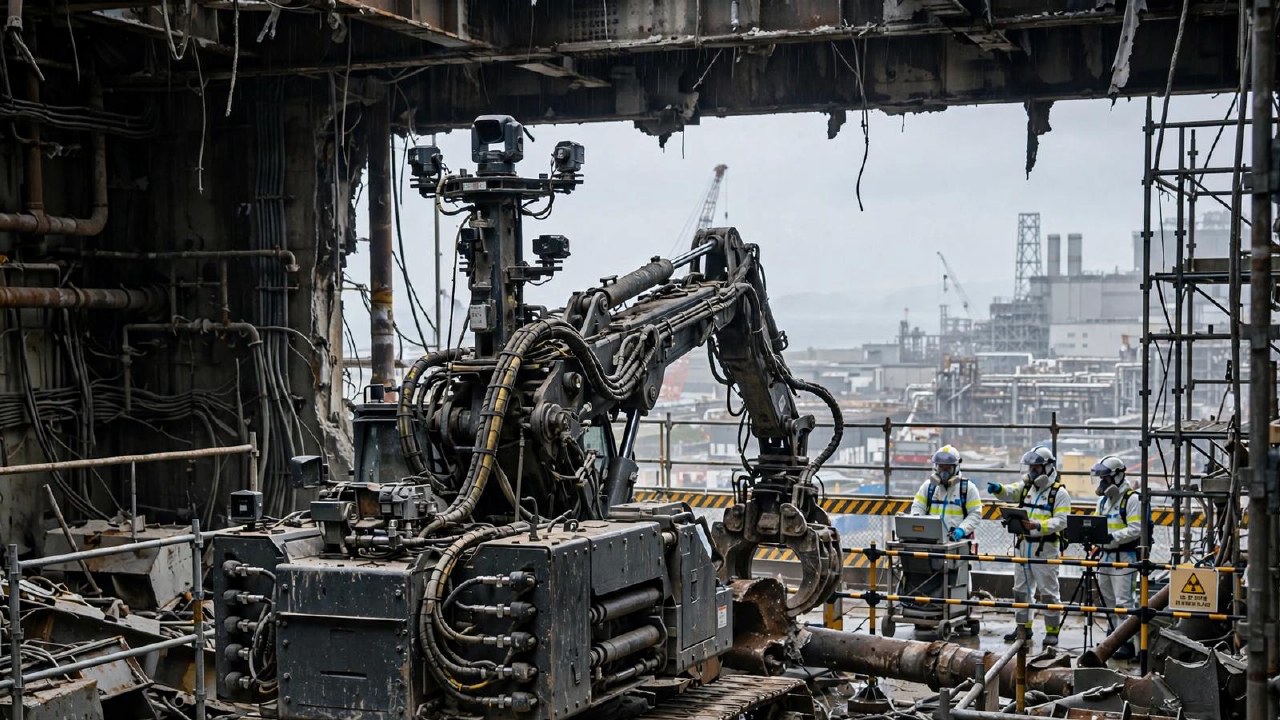
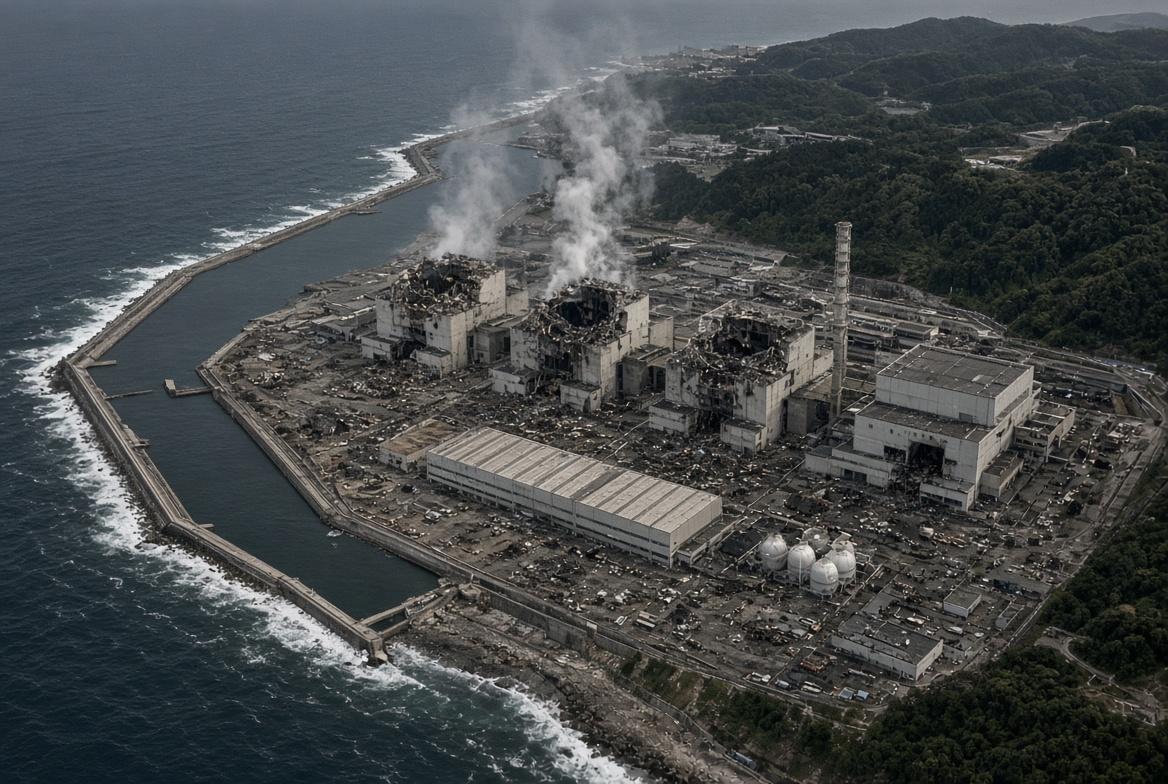
Tokyo Electric Power has deployed a 22-meter robotic arm into the Fukushima Daiichi reactor to prepare for the retrieval of 880 tons of melted nuclear fuel.
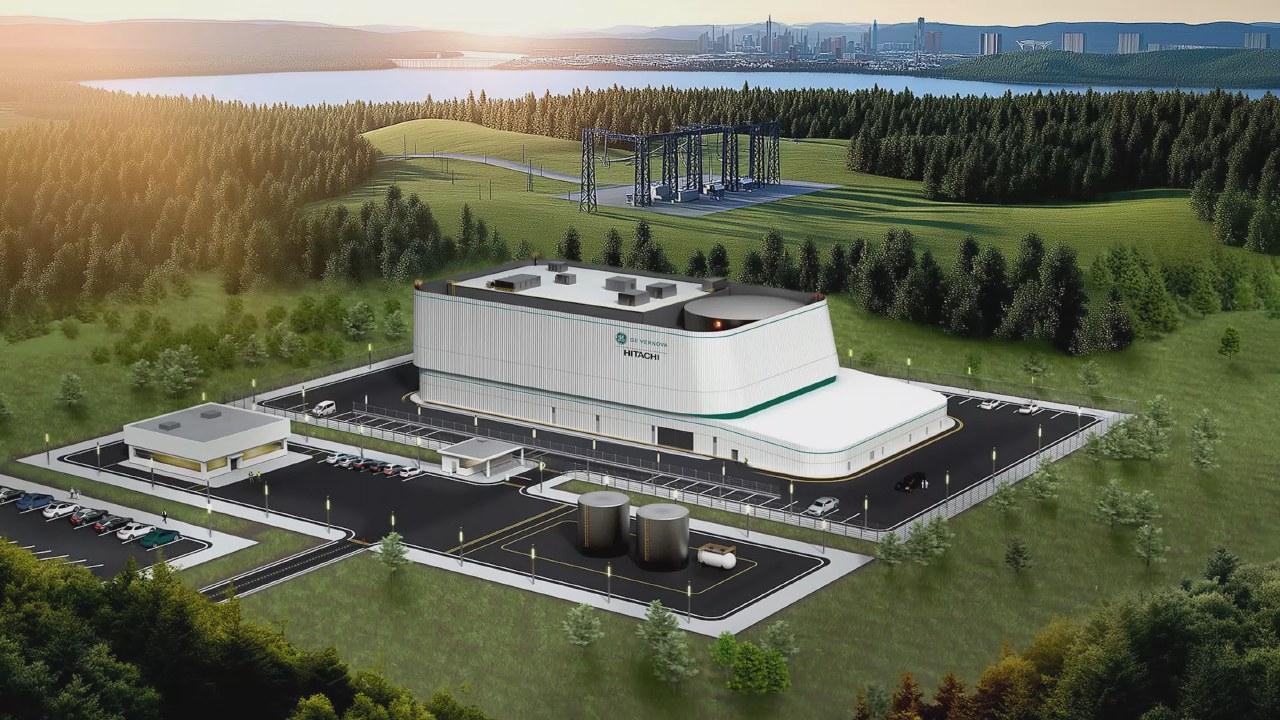
The Tennessee Valley Authority has secured approval to build the first BWRX-300 small modular reactor in the US to address the rising power demands of AI data centers.
Experts at the 70th IAEA General Conference discussed the systematic integration of AI in the nuclear industry, focusing on safety, international regulation, and engineering efficiency.