

The US Department of Energy has awarded a $1 million grant to a research team led by Pennsylvania State University. The project aims to mitigate corrosion and chemical degradation in molten salt nuclear reactors caused by fission products, specifically samarium, europium, and tellurium.
These elements accumulate during uranium fission, with tellurium accelerating structural metal corrosion, while samarium and europium complicate fuel recycling. The research team, including partners from the University of Nevada, Reno, and the Idaho National Laboratory, will investigate the oxidation states of these elements under high-temperature pyroprocessing conditions.
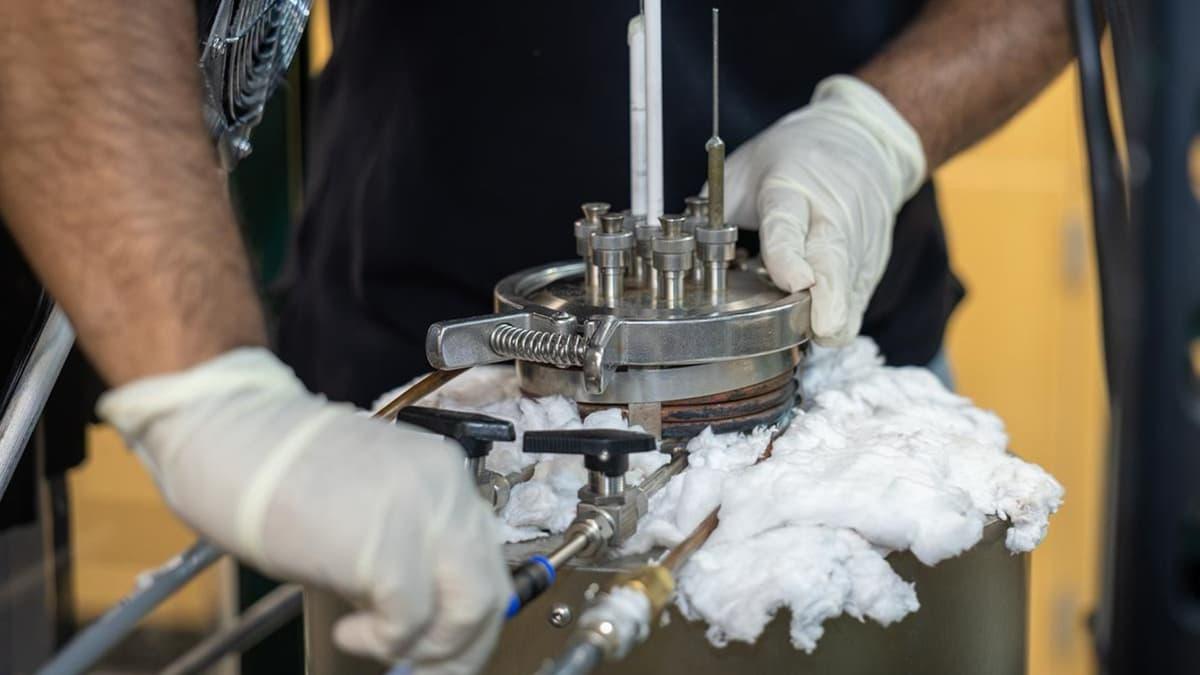
Lead researcher Professor Hojong Kim and doctoral student Alok Pandey will utilize liquid bismuth as a chemical sponge to selectively extract rare-earth elements from molten salts. By applying electrical currents to the salt mixtures, the team intends to track oxidation state transitions to better understand and control these chemical behaviors.
This initiative builds upon previous research efforts from 2018, which were hindered by the low concentrations and unpredictable nature of samarium. The project seeks to develop diagnostic methods that could eventually extend the operational lifespan of advanced reactors and improve the efficiency of the closed nuclear fuel cycle.


