Novosibirsk Facility Begins Carbon Nanotube Production
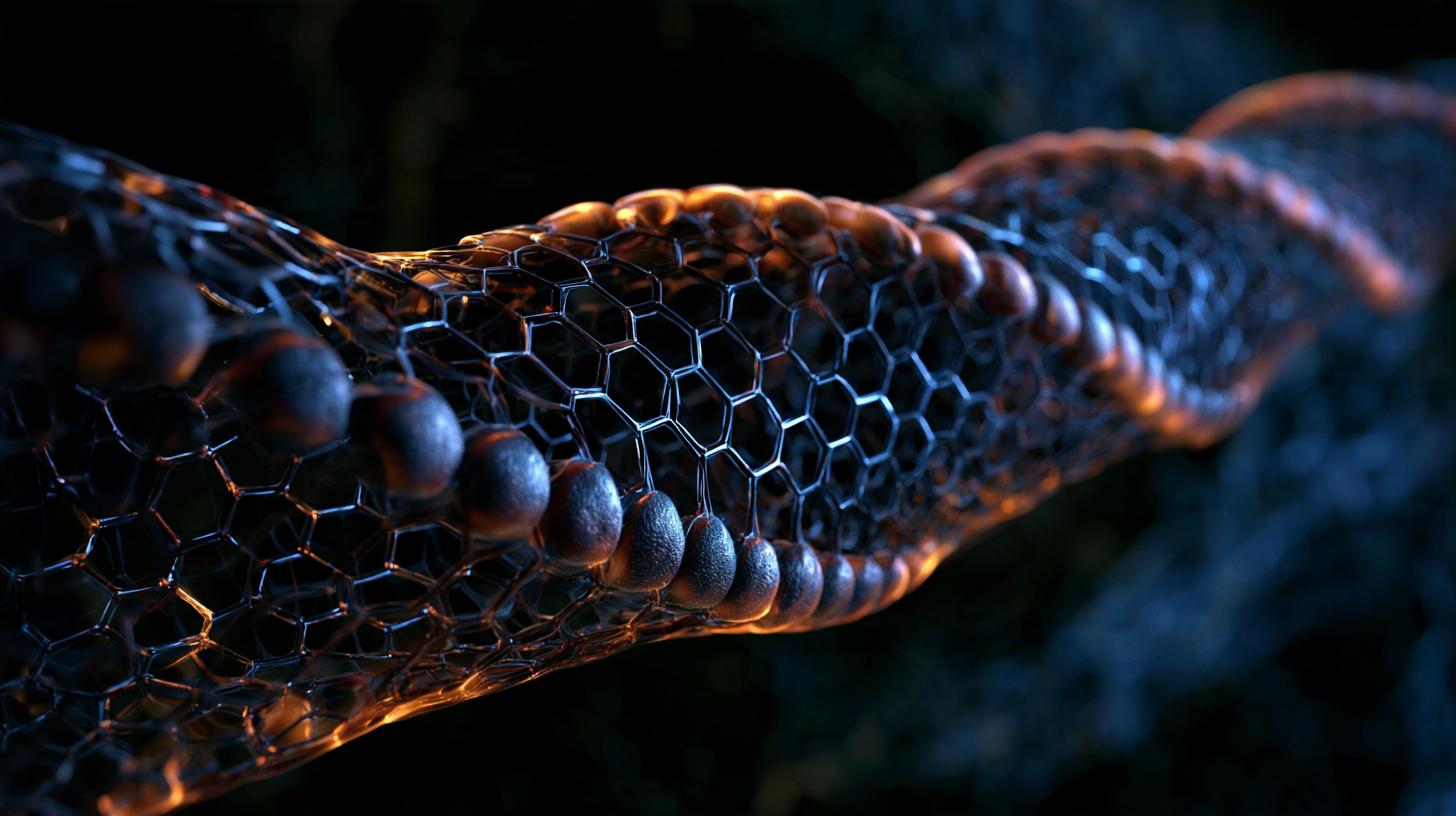
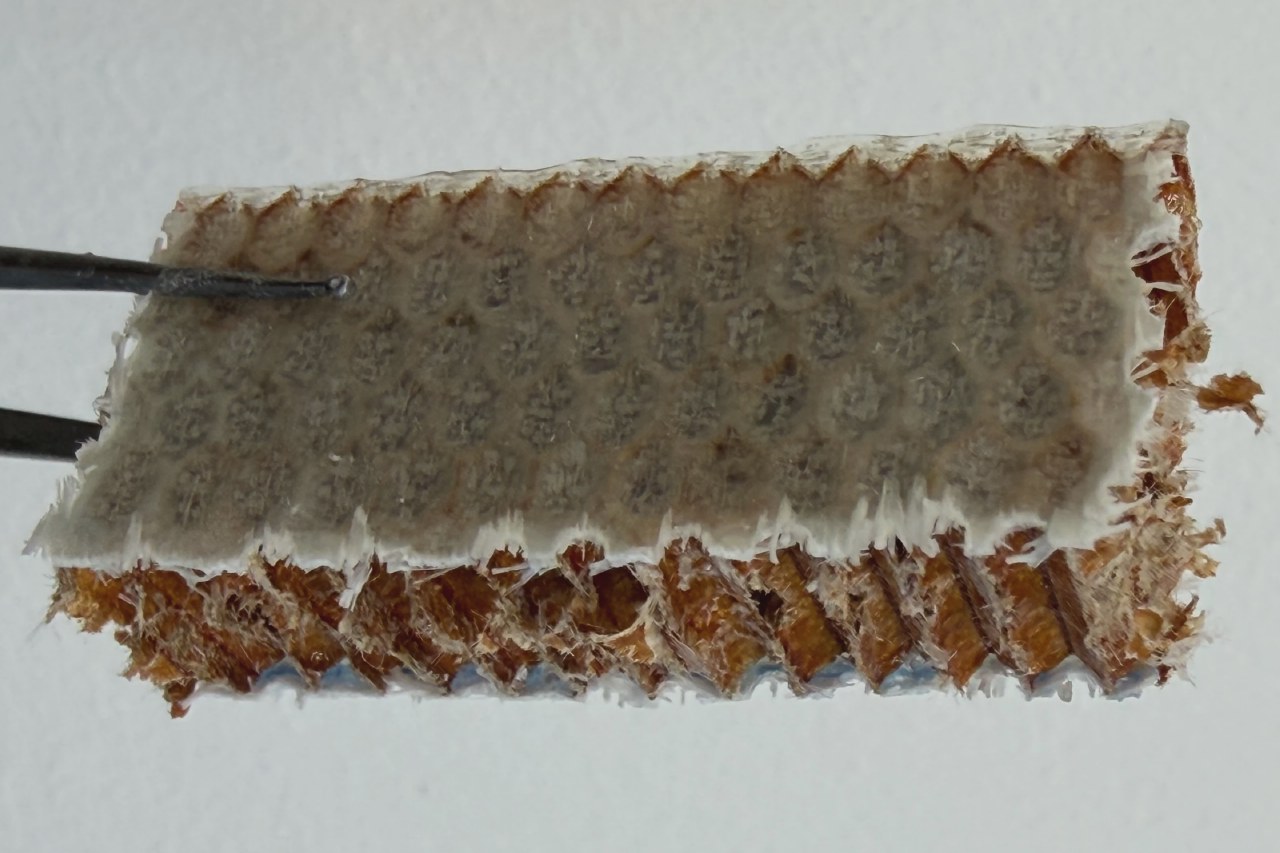
A new facility for producing carbon nanotubes has opened in Novosibirsk, backed by a 680 ₽ million investment from the NTI Foundation to boost domestic industrial fire protection.

A new facility for producing carbon nanotubes has opened in Novosibirsk, backed by a 680 ₽ million investment from the NTI Foundation to boost domestic industrial fire protection.

NASA is testing 12 experimental heat shield capsules during the atmospheric reentry of a Northrop Grumman Cygnus XL cargo ship to improve thermal protection for future deep space missions.

Parker Hannifin has expanded its CoolTherm portfolio with three new thermal adhesives designed to improve bonding and reliability in electric vehicle and industrial electrification applications.
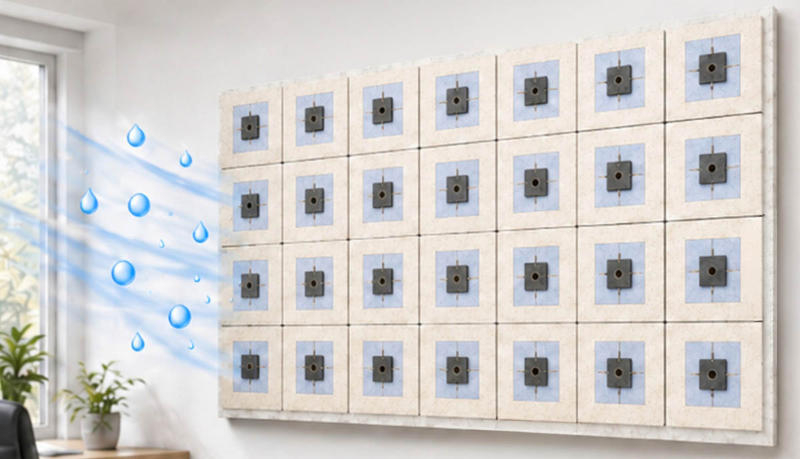
Binghamton University researchers have created moisture-harvesting wallpaper that generates electricity to power small wireless devices.

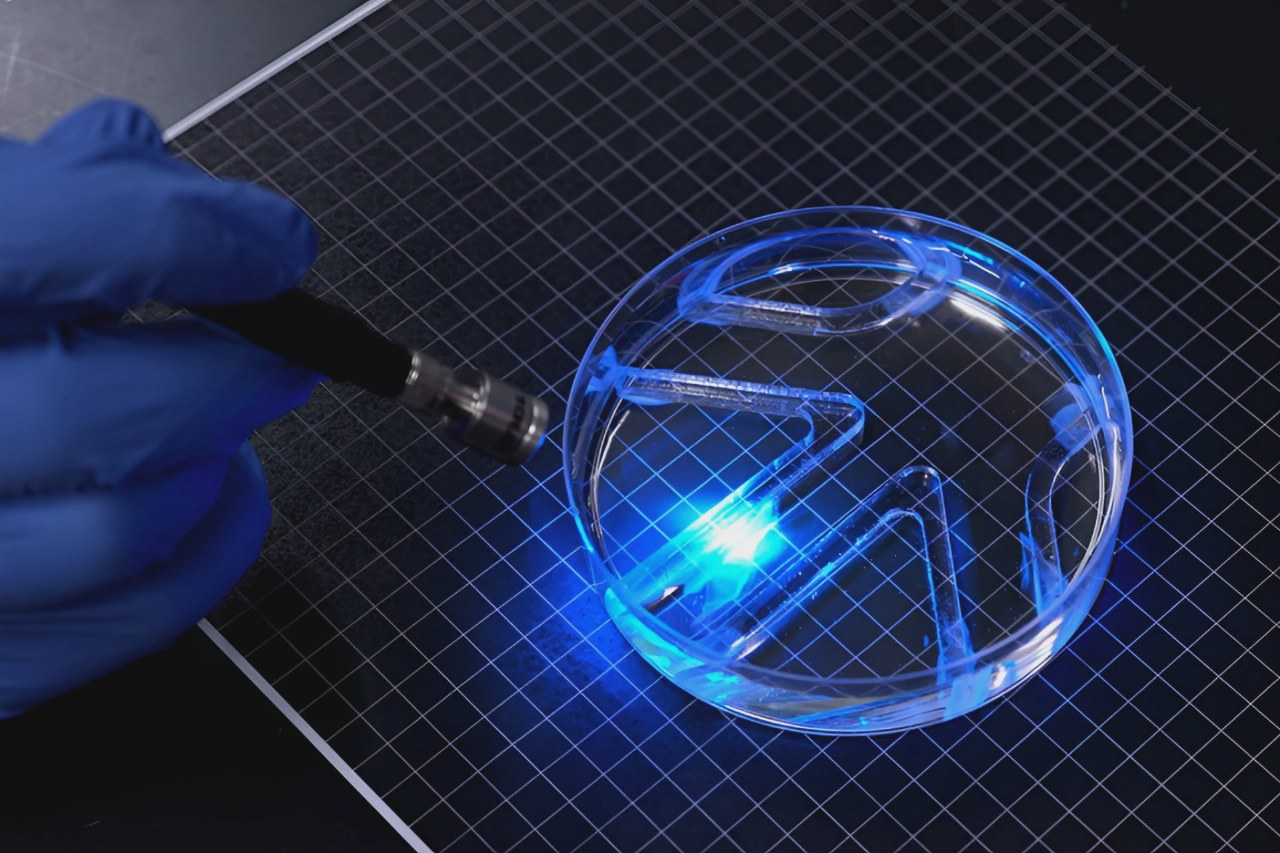
MIT researchers have created a thin bio-hybrid swimming robot powered by light-responsive skeletal muscle cells, capable of operating for over 30 days.

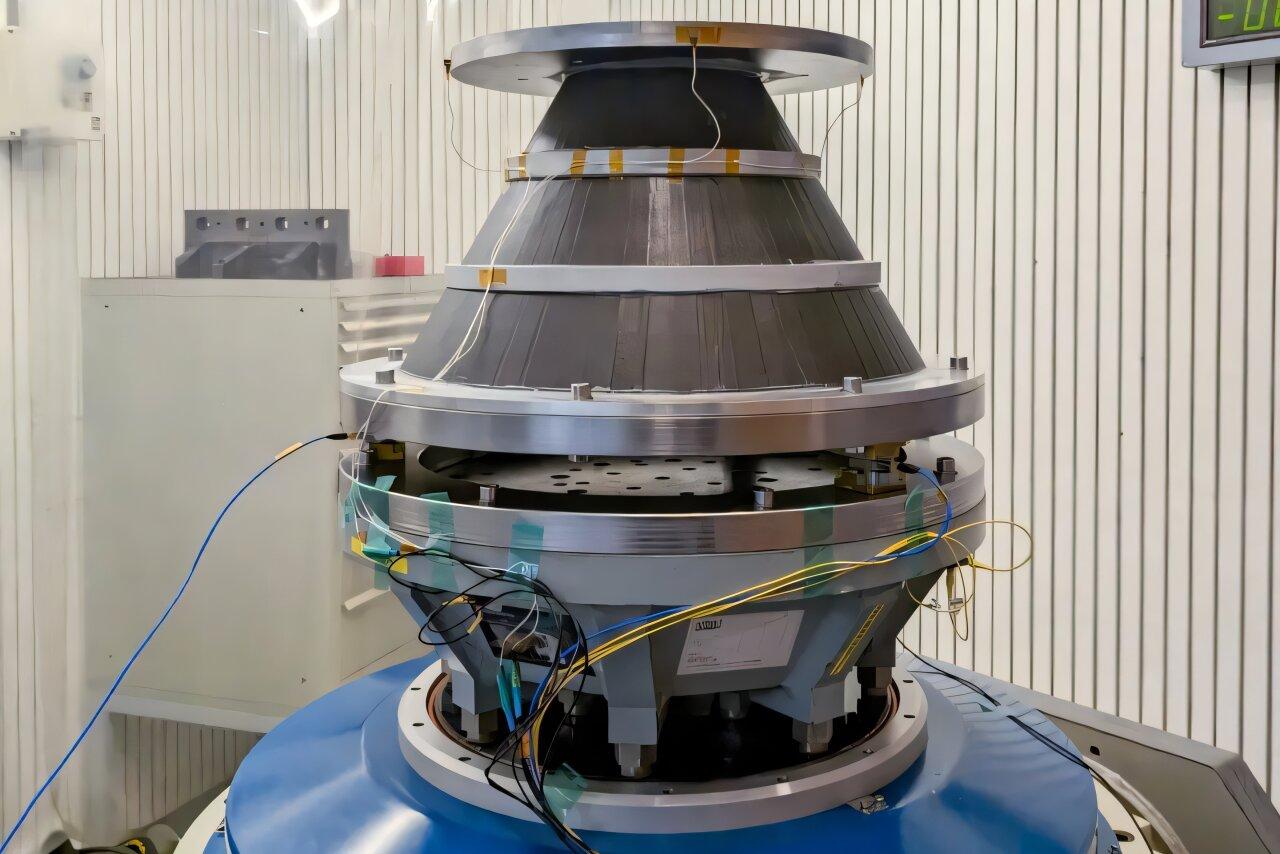
Swiss researchers and Beyond Gravity have created a satellite adapter using phononic crystals to reduce launch vibrations by converting them into rotational energy.

Chinese researchers have developed a passive cooling paint that reduces surface temperatures by 25 degrees Celsius, with plans to produce 600,000 tons annually.

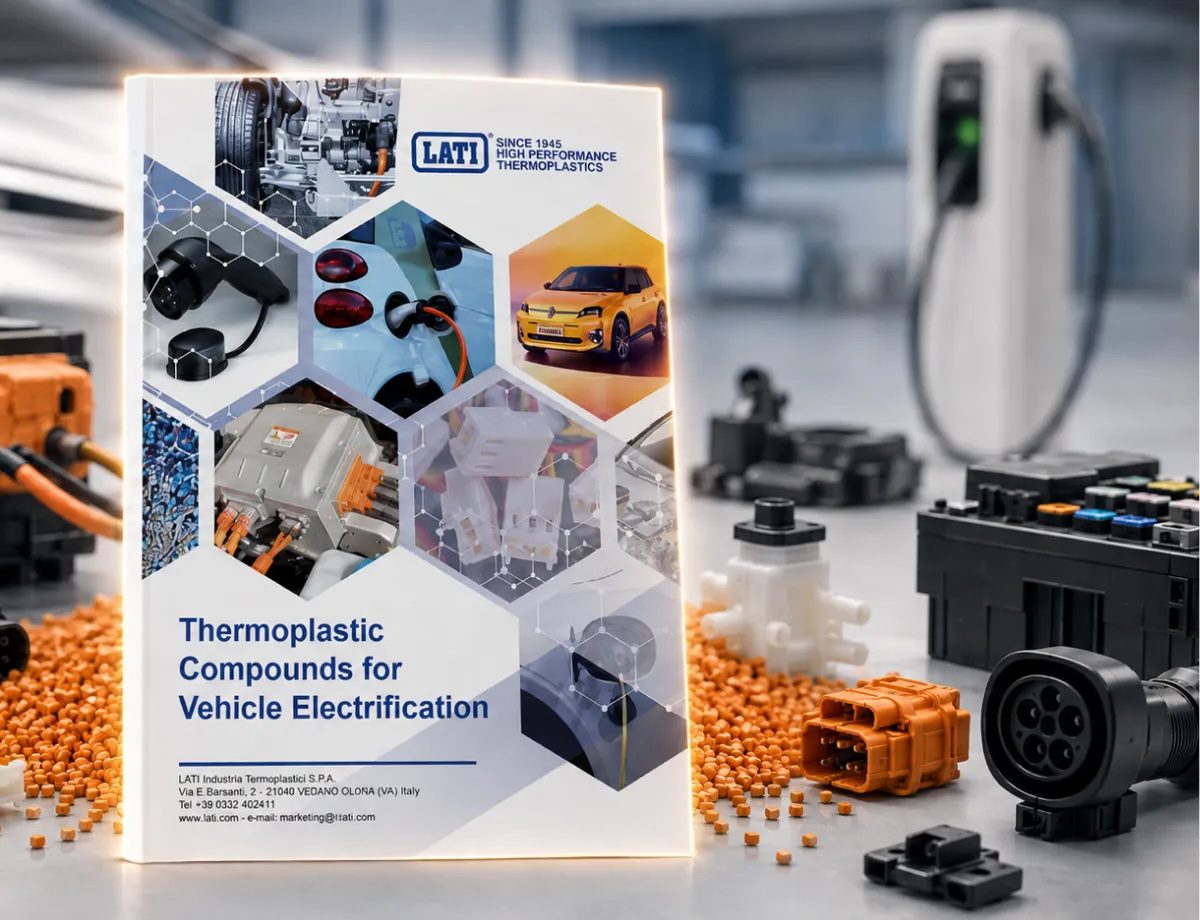
LATI has released a comprehensive technical guide for its specialized thermoplastic compounds designed to address thermal management, EMI shielding, and safety in electric vehicles.

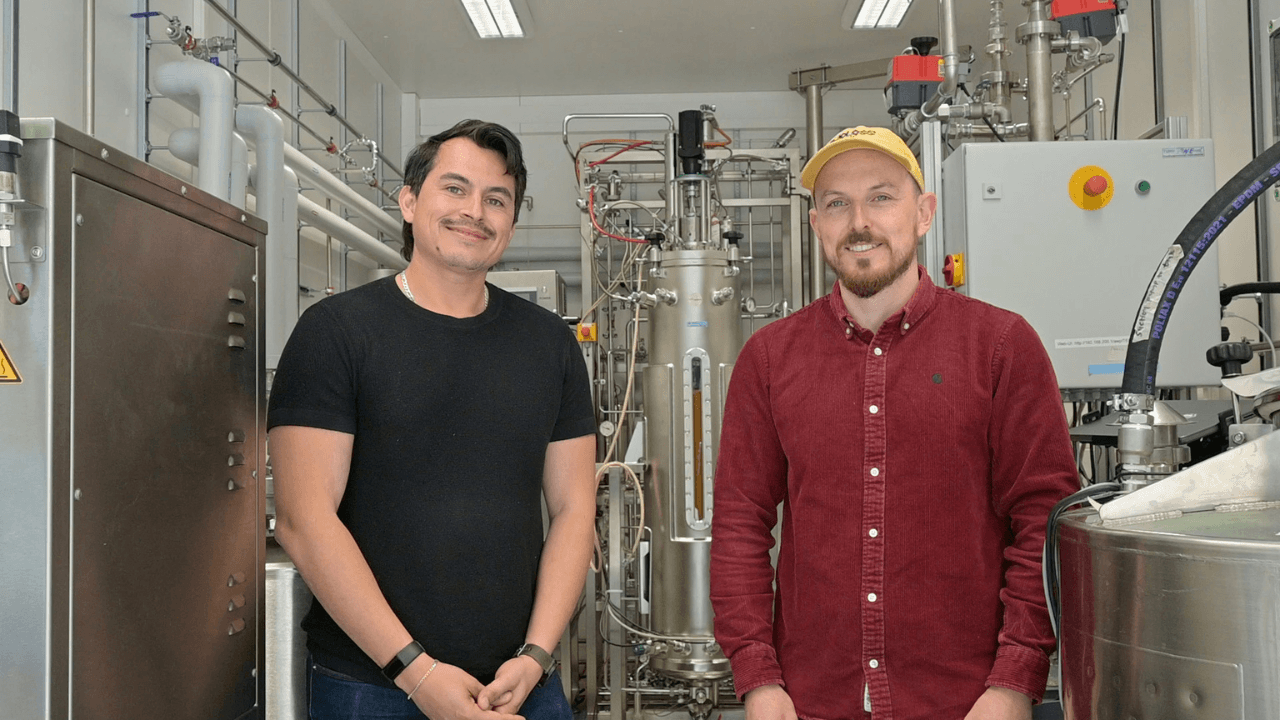
EveryCarbon has joined the FLAIR project to scale its circular diol production to a 10 000-litre industrial pilot using existing infrastructure at Popp Feinkost.

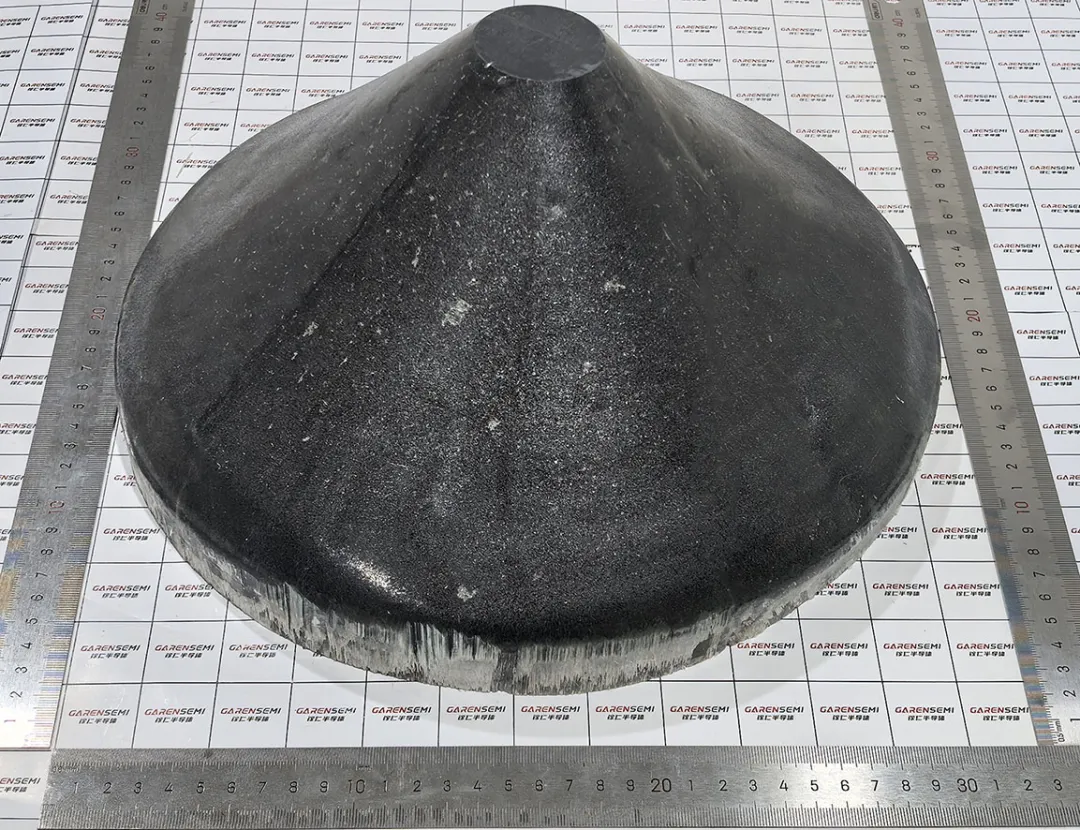
Hangzhou Jiare Semiconductor has successfully grown 12-inch gallium oxide crystals with a constant diameter using its proprietary equipment.
Researchers at the Reshetnev Siberian State University of Science and Technology have created a carbon fiber antenna reflector designed to reduce spacecraft mass and withstand extreme temperatures.

Swiss researchers have developed a recyclable epoxy resin composite for aircraft and train interiors that maintains fire safety and structural integrity.