The Economic Viability of Humanoid Robots
Humanoid robots are becoming a viable economic alternative to human labor, with potential payback periods of under eight months when operating in a 24/7 industrial cycle.

Humanoid robots are becoming a viable economic alternative to human labor, with potential payback periods of under eight months when operating in a 24/7 industrial cycle.

Robert Hall and Michael Woodford have been awarded the 2026 Nobel Prize in Economic Sciences for their research on macroeconomic stabilization models.

Analyst Willy Woo suggests that Bitcoin’s fixed supply could slow economic growth by increasing borrowing risks, potentially leading to fewer market bubbles.

A new a16z analysis reveals that AI model prices have plummeted by 95% in just three years, a deflationary pace that took the personal computer market 15 years to match.

Microsoft AI CEO Mustafa Suleyman shared a forecast by Nobel laureate Daron Acemoglu, predicting that AI will replace only about 5% of human jobs over the next 10 years.
Victor Haghani explores why the pursuit of billionaire status through high-risk strategies often leads to financial ruin rather than success.

HSE University researchers argue that strict personal data regulations may reduce consumer welfare and increase business costs based on international market data.
Huawei reports a production cost increase of over $200 per smartphone due to rising memory prices, signaling inevitable retail price hikes.

The IEA reports that global electrification is gaining momentum as energy costs and security goals align, with a target of 35 percent electrification set for 2035.

The current economic model forces designers to prioritize corporate profit over user well-being, leading to widespread manipulative practices and significant environmental damage.

The Federal Reserve’s FRED platform has surpassed 850,000 data series and plans to integrate new AI tools to improve user accessibility.

A comparative analysis of 11 AI models shows that tokenization differences make processing Russian text up to 3.9 times more expensive on some platforms.

A new report from Epoch AI reveals that the cost of artificial intelligence is plummeting at a record pace, falling hundreds of thousands of times over the last five years.

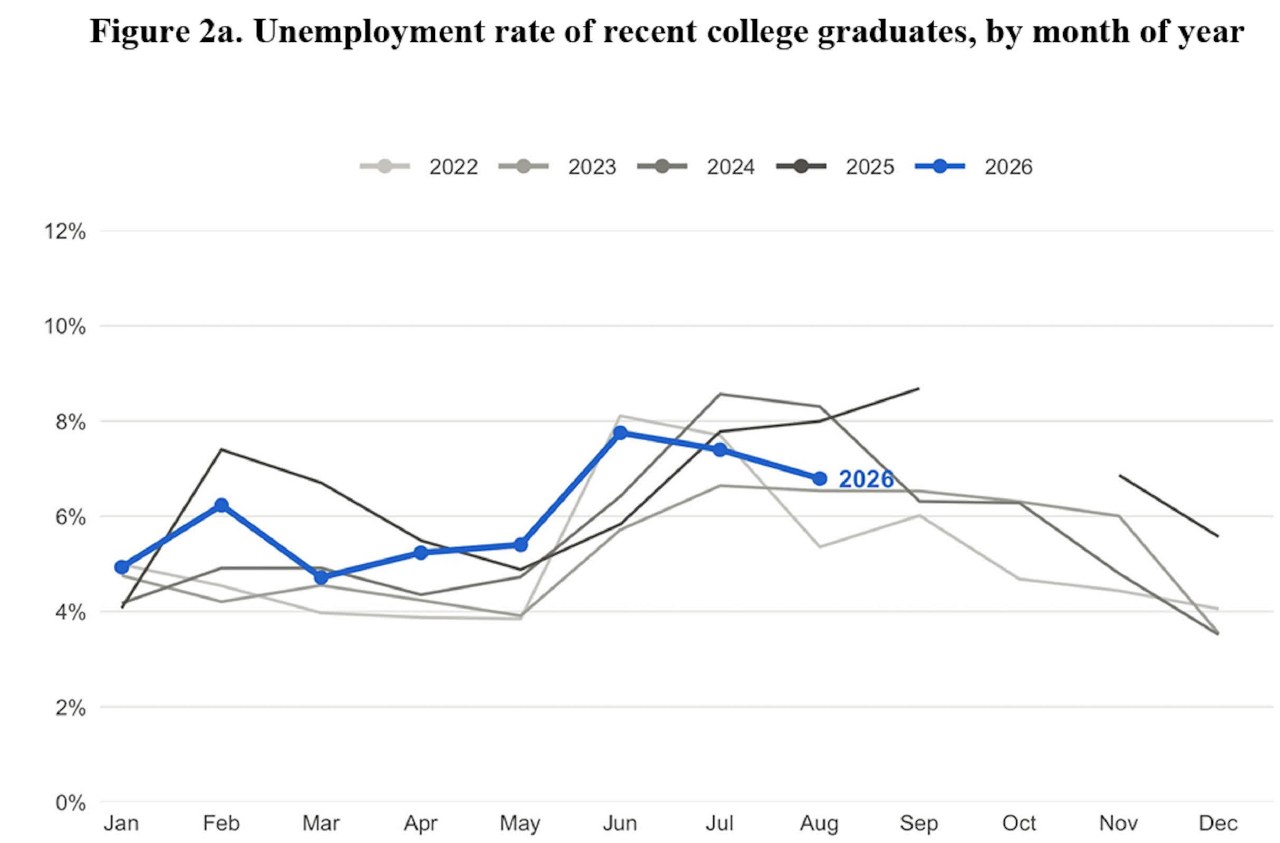
A UCLA study shows that the unemployment rate for recent graduates in summer 2026 remained stable at 7.3%, showing no significant impact from AI adoption in the labor market.

Bank of England Deputy Governor Dave Ramsden confirmed that the central bank will continue quantitative tightening and does not plan to resume quantitative easing in the near term.

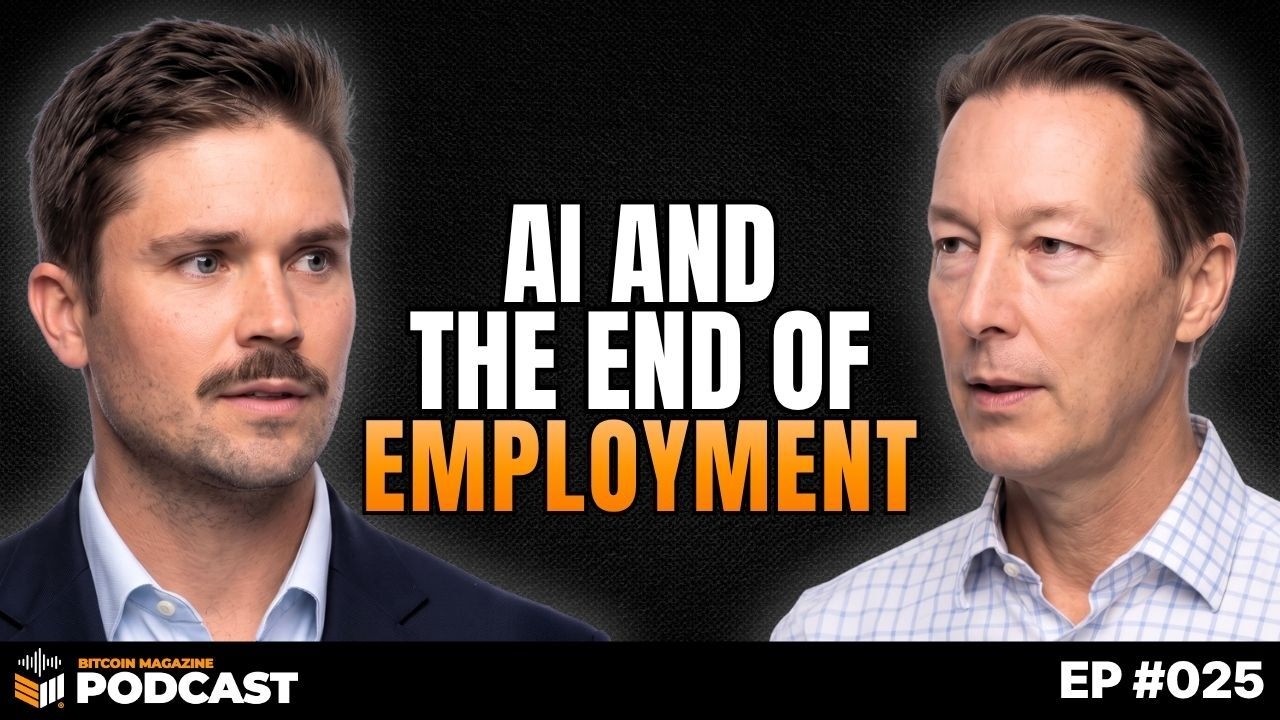
Per Bylund of the Mises Institute argues that AI's predictive nature will shift the global economy from an employment-based model toward widespread entrepreneurship.

A study by the CESifo Institute shows that the unemployment rate for recent US college graduates remains within normal ranges as of summer 2026, despite concerns over AI adoption.

Economist Charles I. Jones explores the mathematical trade-off between AI-driven economic growth and the existential risks posed by superintelligent systems.

A guide on calculating the economic impact of uplift modeling in CVM, explaining how to translate ML metrics into actual profit.

Hydrogen initiatives persist despite unfavorable economics and technical constraints, driven by institutional self-interest and the need to protect legacy industrial assets.