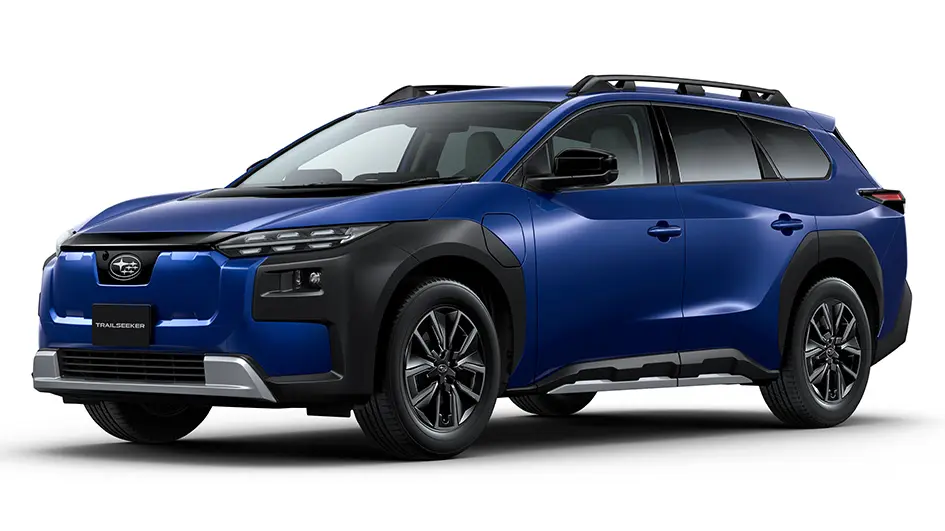
Subaru aims to reduce the development cycle for its next-generation vehicles by 40% by the end of the 2020s. The company plans to achieve this by replacing most physical crash tests with digital simulation technology, utilizing historical data to ensure safety standards.
The manufacturer is also focusing on software-defined vehicles that support remote updates. To improve efficiency, Subaru will consolidate its R&D staff and partner employees into a single workspace, aiming for greater operational flexibility.
In terms of hardware, Subaru plans to reduce the weight of its global platform by 100kg for gasoline and hybrid models. The company will also cut the number of engine variants by half to concentrate resources on next-generation product development.
Subaru intends to leverage its expertise in turbocharging and combustion for boxer engines to increase thermal efficiency by 50%. These strategic shifts are intended to help the company better compete with emerging manufacturers and respond to market demands.