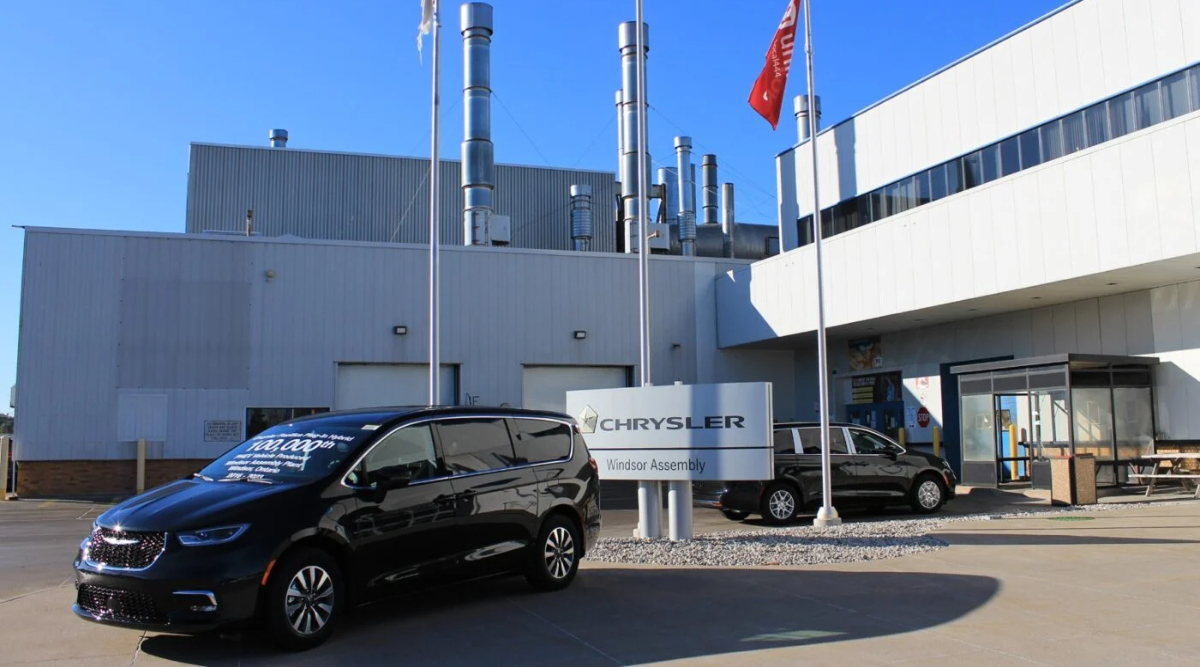
Canada has announced a three-year freeze on its vehicle emissions mandates, maintaining the current standard of 172 grams of greenhouse gas emissions per mile through the end of 2029. The government aims to reach a target where 75 percent of new car sales are electric by 2035. Additionally, federal and Ontario authorities are investing $2.5 billion over two years to support capital projects for domestic auto manufacturers.
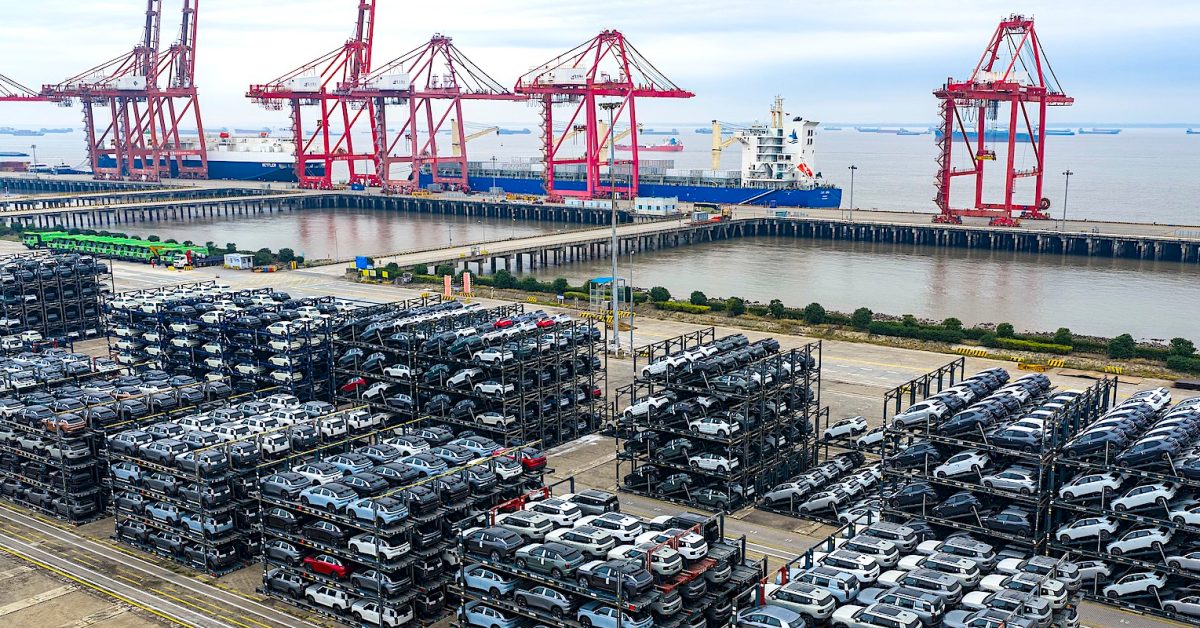
The new policy allows for the import of up to 49,000 Chinese electric vehicles with a 6.1 percent tariff. While industry representatives view the extended timeline as a way to protect jobs and investment, advocacy groups warn that the delay undermines the 2035 electrification goal and could result in lost fuel savings and reduced investment in the charging industry.
In the European Union, discussions are underway to adjust the zero-emissions target for 2035. A proposed consensus suggests lowering the 100 percent reduction target to 87.5 percent, provided manufacturers incorporate at least 7.5 percent green steel in vehicle production. This adjustment would effectively set the EV sales target at 95 percent by 2035.
The European proposal faces a series of legislative steps, including a vote by the Environment Committee in early November and a potential plenary session in December. Approval requires a simple majority in the EU Parliament and a qualified majority in the EU Council, which necessitates support from at least 15 member states representing 65 percent of the EU population.