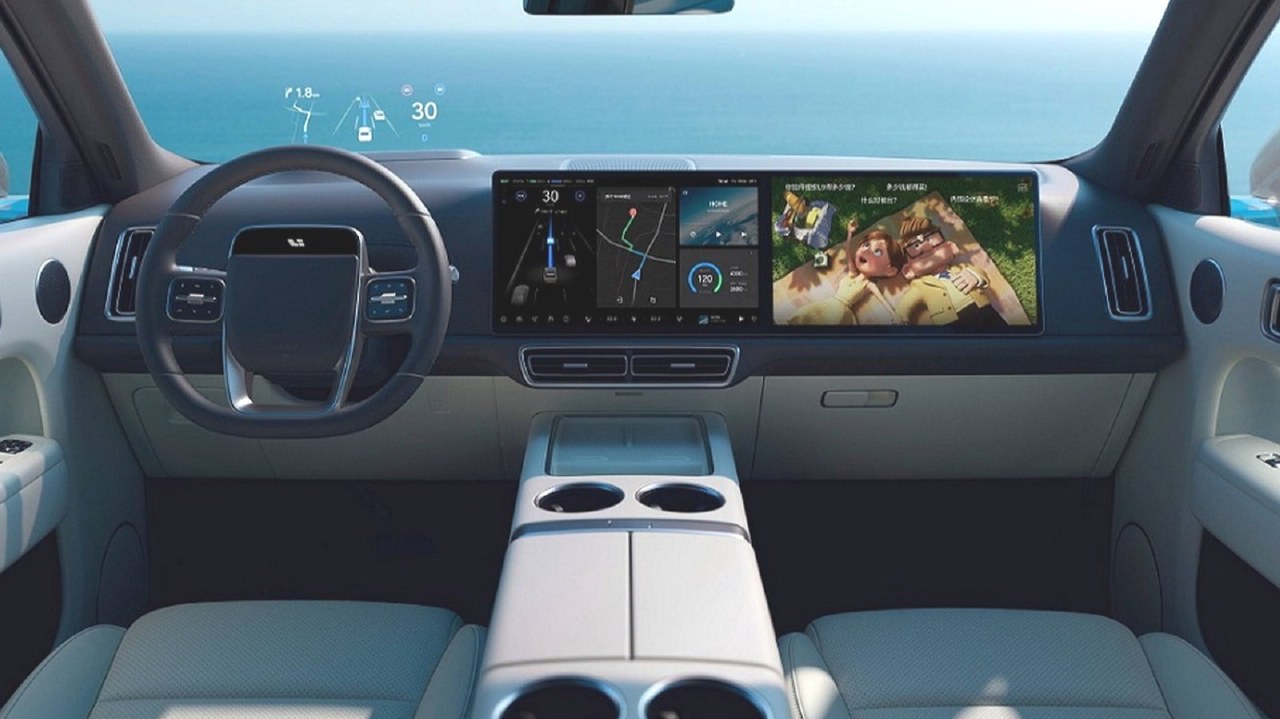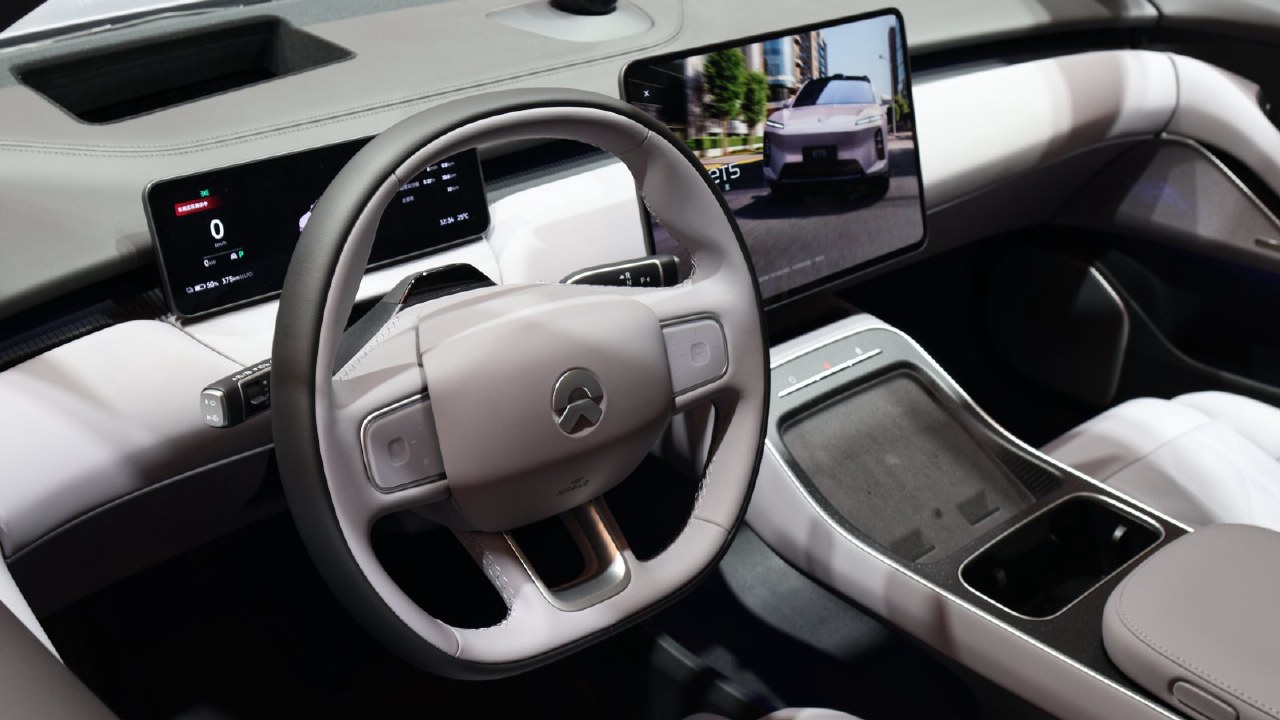
As of August 2026, approximately 61 million passenger vehicles in China featured Level 2 driver assistance systems. Within this fleet, about 15 million cars are equipped with Navigation on Autopilot (NOA) capabilities, representing roughly 25 percent of all L2-enabled passenger vehicles in the country.
Connectivity infrastructure is also growing, with 16 million passenger cars featuring 5G terminals and 2 million vehicles equipped with C-V2X technology. These figures were disclosed during the 2026 World Intelligent Connected Vehicles Conference held in Beijing.
The Ministry of Industry and Information Technology is currently developing a national technical standards framework for connected vehicles, which already encompasses over 400 standards. New guidelines aim to refine requirements for autonomous driving operations, system architecture, and safety protocols.
China is simultaneously advancing pilot programs for higher-level autonomous driving. While the first batch of L3 models from Changan and BAIC received conditional market access in December 2025, the government is now working on the second phase of these pilot approvals.