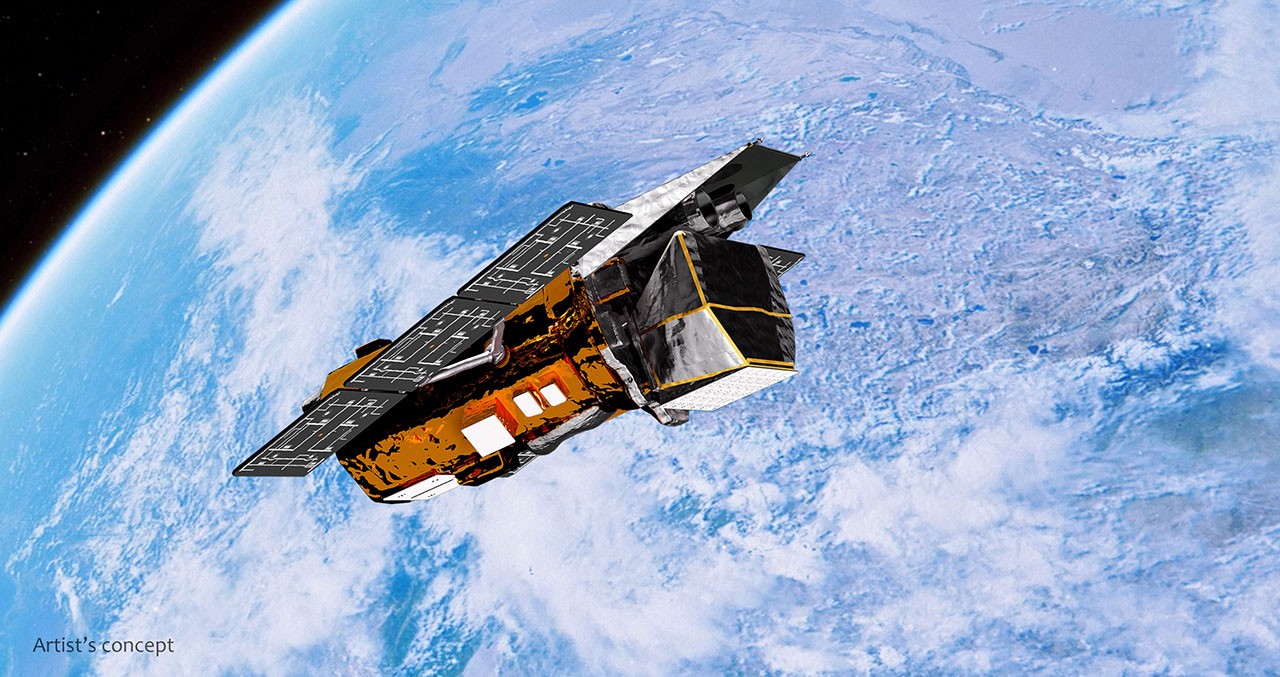
NASA has concluded the science mission of the Neil Gehrels Swift Observatory. The spacecraft is currently orbiting at an altitude of less than 171 miles, or 275 kilometers, where increased atmospheric drag prevents stable observations. The final data collection occurred on October 20, and the satellite is expected to re-enter the atmosphere in the coming weeks.
Launched on November 20, 2004, the mission was originally designed for a two-year lifespan but remained operational for over two decades. The observatory was capable of slewing its telescopes to target cosmic events in approximately one minute. It could schedule up to 75 independent targets per day and supported rapid-response observations requested from the ground.
Throughout its career, the observatory recorded more than 2,000 gamma-ray bursts and 1,400 supernova explosions. Data from the mission contributed to approximately 7,000 scientific papers. The project's archive contains 12 terabytes of data, including over 1.5 million images from its Ultraviolet/Optical Telescope, which will remain publicly available.
The mission's success included the 2005 observation of the short gamma-ray burst GRB 050509B, which lasted 0.03 seconds. These findings helped confirm that short gamma-ray bursts likely result from the mergers of two neutron stars. NASA is now evaluating how to utilize its existing fleet of space telescopes to maintain rapid-response capabilities for future cosmic events.