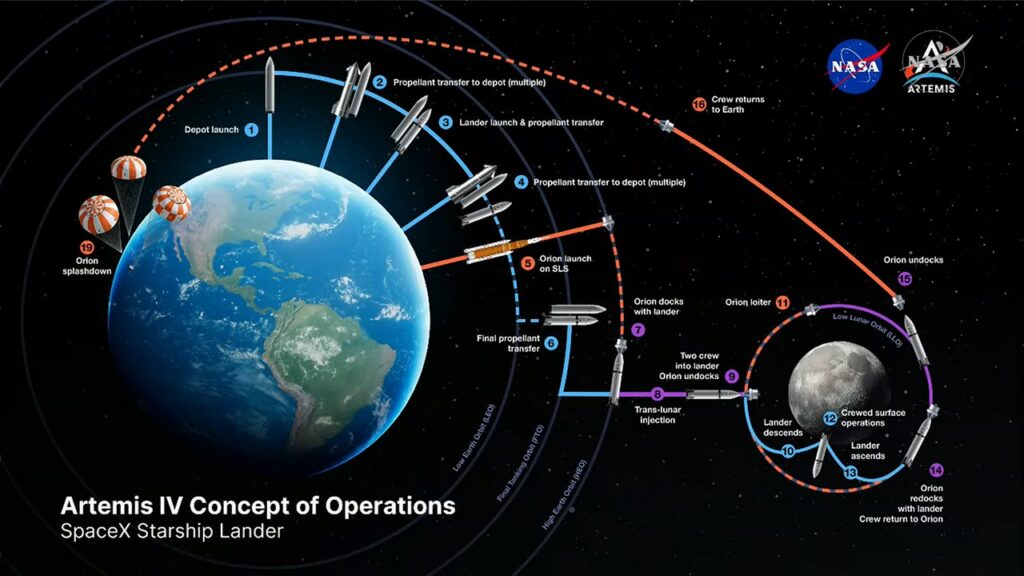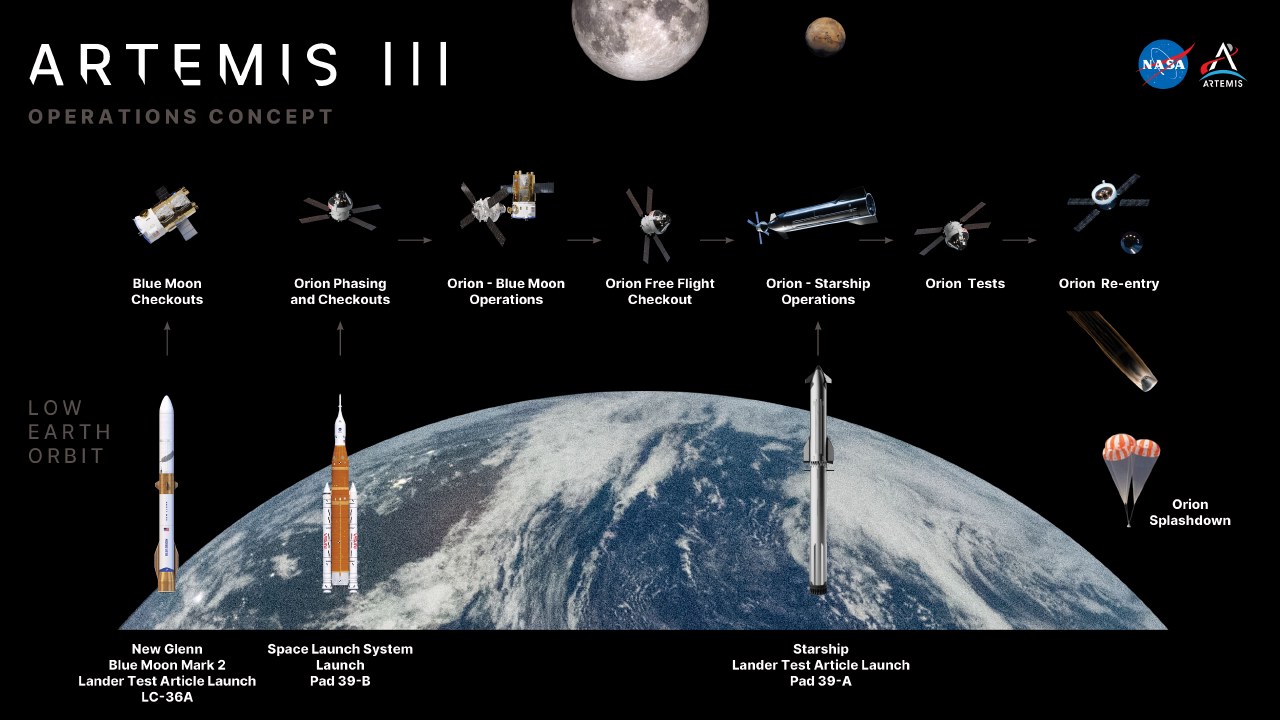
NASA has updated its lunar landing architecture, shifting the docking point for the SpaceX Starship to high-Earth orbit. This change follows the cancellation of the Lunar Gateway project earlier this year. SpaceX will now fuel its lander in low-Earth orbit before meeting the Orion spacecraft. While a NASA safety panel estimated 22 tanker launches are needed for this mission, Elon Musk suggests the actual requirement is 6 to 8, a figure NASA describes as an ultimate potential state.
Blue Origin has adjusted its mission plans to eliminate the need for spacecraft-to-spacecraft refueling. The revised architecture involves four launches of the New Glenn rocket. The Blue Moon lander is expected to rendezvous with transfer stages in orbit. NASA is also exploring the possibility of docking the Blue Moon lander with Orion in low-lunar orbit, which would reduce propellant requirements and improve mission efficiency.
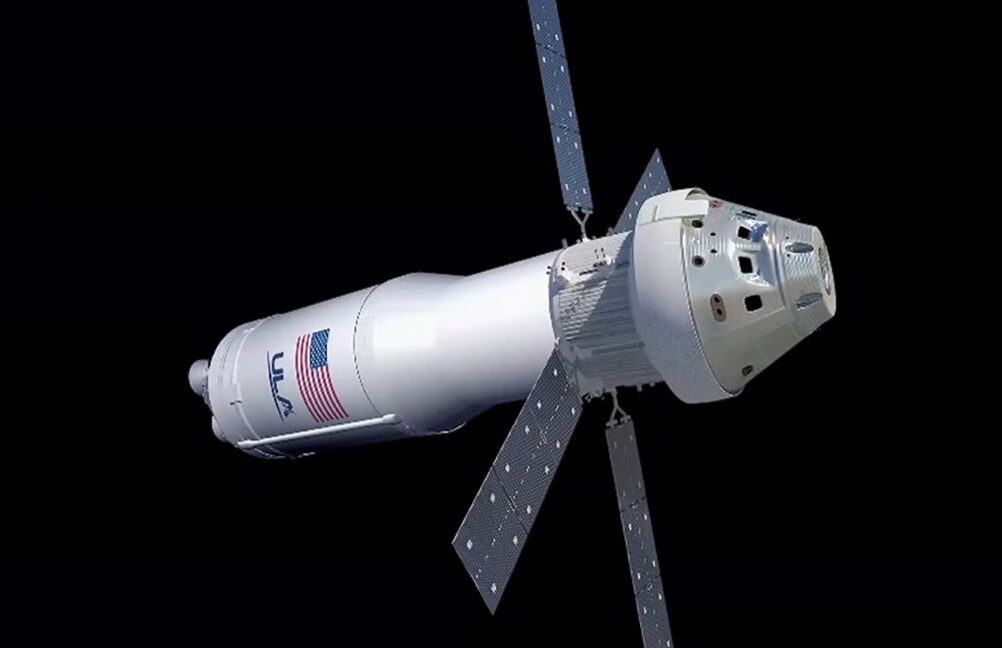
To enable Orion to reach low-lunar orbit, NASA is collaborating with United Launch Alliance to develop an extended version of the Centaur V upper stage. This upgrade addresses long-standing propulsion limitations of the Orion Service Module. NASA officials confirmed that the Artemis III mission is targeted for summer 2027, with the Artemis IV lunar landing mission currently tracked for 2028.
NASA Administrator Jared Isaacman stated that these architectural changes are designed to assist landing partners in accelerating their development timelines. By bringing Orion closer to the lunar surface, the agency aims to reduce the performance burden on private landers. NASA continues to monitor the progress of its partners to ensure these mission milestones remain achievable.