The rise of AI programming tools has significantly lowered the barrier for creating clone games, prompting independent developers to restrict public access to their early-stage projects. Studios now fear that AI can be used to rapidly replicate their art styles and core mechanics before their official releases.
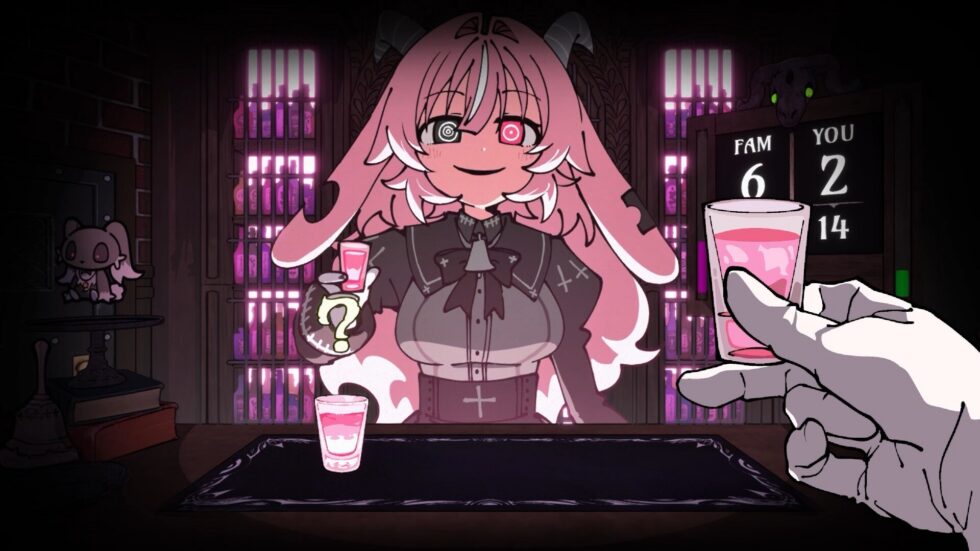
Alliance Arts recently delayed the public demo of its game 'Drunken Goddess Reflux' due to concerns over potential AI-driven cloning. The studio now plans to offer the demo only through closed sessions, requiring participants to adhere to strict rules regarding video recording and live streaming content.
Developer Lucas Pope noted in April that he avoids discussing his ongoing projects publicly to prevent potential AI scraping or plagiarism. Similarly, developer Freya Holmér experienced this firsthand in March when her prototype for a rotating Tetris-style game was cloned by multiple AI-assisted projects within days of her sharing a video.
Sos Sosowski, creator of 'McPixel', highlighted the dilemma facing independent developers: the need to showcase games for marketing versus the risk of having their ideas stolen. While some, like Charlie Greenman, argue that such recreations constitute new creative works, others emphasize that deep, complex game design remains the best defense against simple AI-generated copies.