Anbernic Faces Potential US Market Ban Over Piracy Allegations
The Entertainment Software Association has requested that the USTR blacklist Anbernic for distributing unauthorized game copies, potentially blocking the company from the US market.

The Entertainment Software Association has requested that the USTR blacklist Anbernic for distributing unauthorized game copies, potentially blocking the company from the US market.

The Anthropic Claude Opus 5.5 AI model now allows users to decompile and port classic computer games to web browsers in just a few hours.

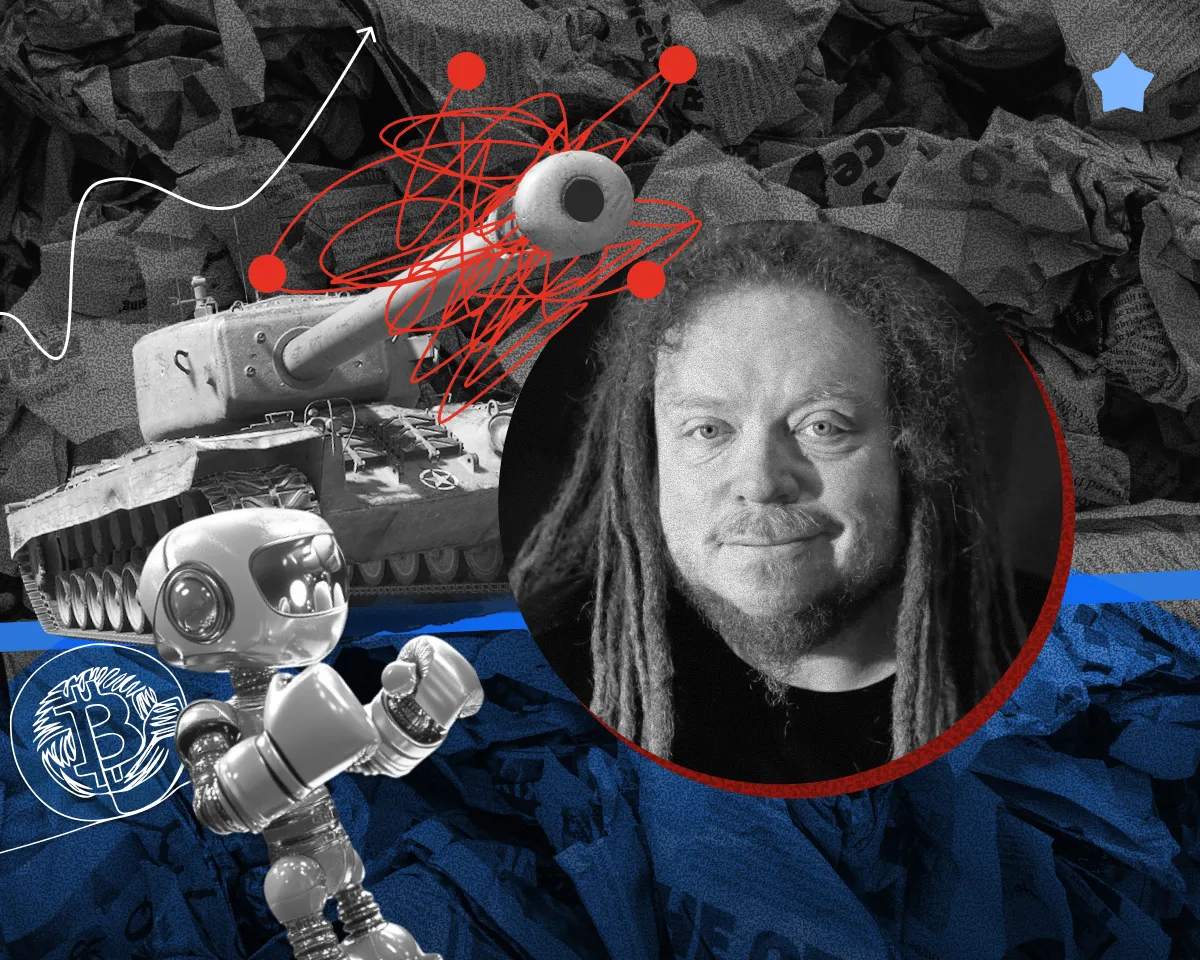
Jaron Lanier's critique of AI business models gains relevance as a federal court approves a $1.5 billion settlement in the Bartz v. Anthropic copyright case.

USA Today and 18 affiliated newspapers have sued OpenAI, seeking over $250 million for the alleged unauthorized use of their articles to train AI models.

USA Today Co. has sued OpenAI for over $250 million, alleging the unauthorized use of hundreds of thousands of articles to train its AI models.

USA Today Co. has sued OpenAI for over $250 million, alleging the unauthorized use of hundreds of thousands of articles to train AI models.

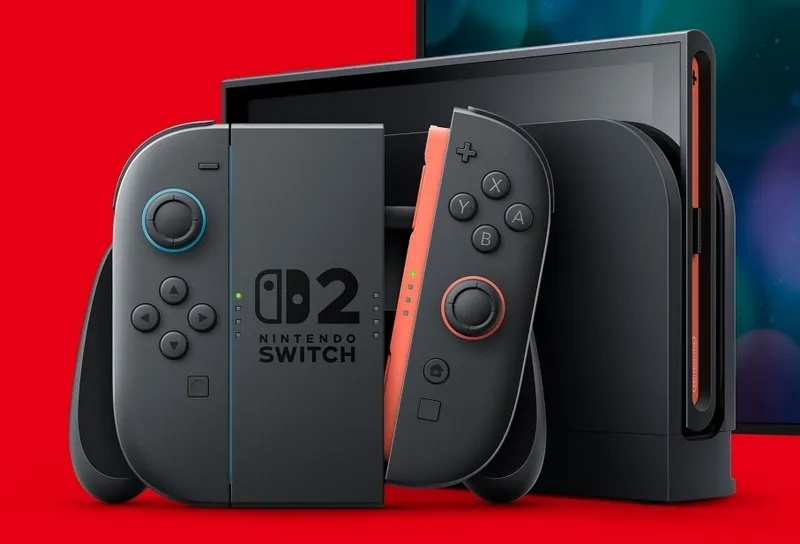
The District Court of The Hague has banned the sale of MIG Switch and MIG Dumper devices across the European Union, citing their role in facilitating copyright infringement.

Local U.S. news publishers have sued Microsoft and OpenAI, alleging the unauthorized use of tens of thousands of copyrighted articles to train AI models.

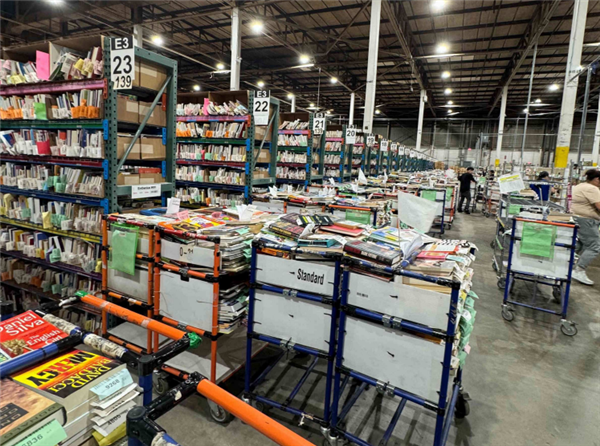
Japanese wholesaler Nippan Group Holdings has admitted to selling a large volume of books to Anthropic for AI training purposes over a one-year period starting in December 2024.

US local media groups have sued Microsoft and OpenAI, alleging the unauthorized use of copyrighted articles to train AI models.

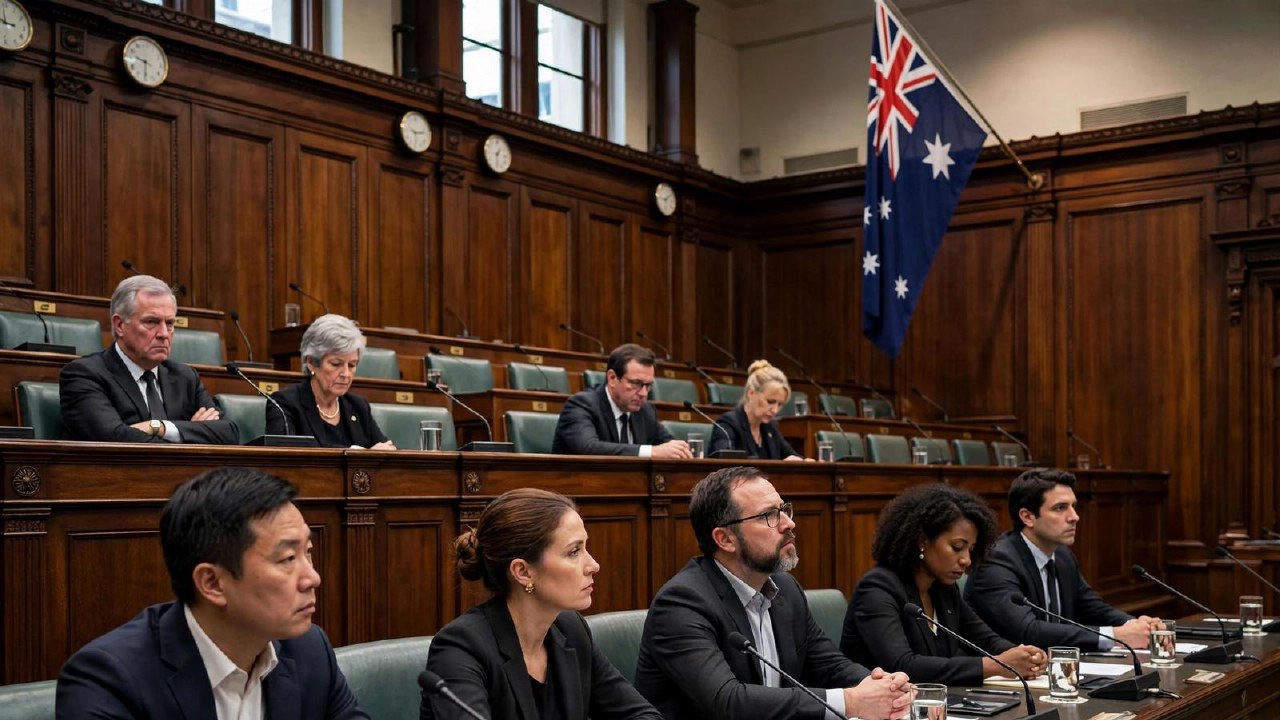
Google, Microsoft, OpenAI, and Anthropic are lobbying the Australian government to bypass copyright laws, citing the necessity of unrestricted data access for AI development.

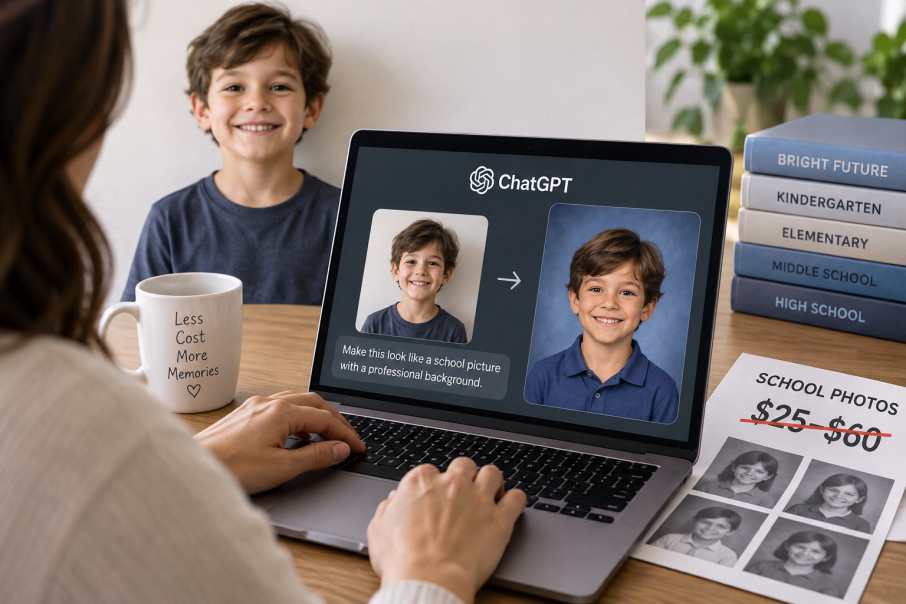
Parents are turning to ChatGPT to create school portraits, bypassing professional packages that cost up to $60 per child.

Italian regulators are investigating AI music platform Suno over potentially unfair service terms, including unilateral fee changes and restrictive dispute resolution clauses.
Pope Leo XIV has addressed the distinction between human and machine-generated art, while the Vatican formalizes its stance on AI through new commissions and encyclicals.

ZeniMax has ordered the closure of the AI-generated browser game Fallout: New York, citing unauthorized use of its intellectual property.

A U.S. appeals court has ruled that using copyrighted editorial annotations to train AI models for commercial competition constitutes copyright infringement.

Major AI firms face a wave of litigation over copyright and safety, as courts increasingly apply consumer protection and liability laws to the industry.

A Tokyo court has ruled that a human voice is a protected part of identity, setting a legal precedent for AI-generated content in Japan.

Google faces growing legal and financial pressure as it compensates only a fraction of publishers for content used in its AI-powered search features.

A new U.S. bill, H.R. 10364, proposes a legal framework to force ISPs, DNS providers, and VPN services to block foreign piracy sites under federal court orders.