Omega Soft Faces Business Closure After Legal Dispute Over Software Rights
Yoshkar-Ola-based Omega Soft reports the loss of its industrial software and 24.7 million rubles in unpaid fees following a legal dispute with a corporate client.
Google DeepMind reports that AI now writes over 75% of its production code, yet there is no evidence that this has accelerated the pace of machine learning research and development.

Microsoft has expanded its enterprise security suite by launching a public preview of Microsoft Defender for Linux desktop environments.

MTS Premium has developed a multi-level data quality framework to detect errors in distributed systems, successfully identifying 326 duplicate subscription orders since May 2024.

Migrating Java applications requires careful management of environment dependencies, security settings, and operational readiness to avoid critical failures during transition.

Digital Habits Group announced a 62% revenue growth and a 120.4% increase in net profit for the first half of 2026, driven by strong software product sales.
SberTech has introduced a dedicated software security analysis unit powered by its Platform V Orchestrator for Security Services.
Developers using AI assistants like Claude face the risk of losing architectural control as codebases expand, necessitating structured documentation and rigorous workflow standards.

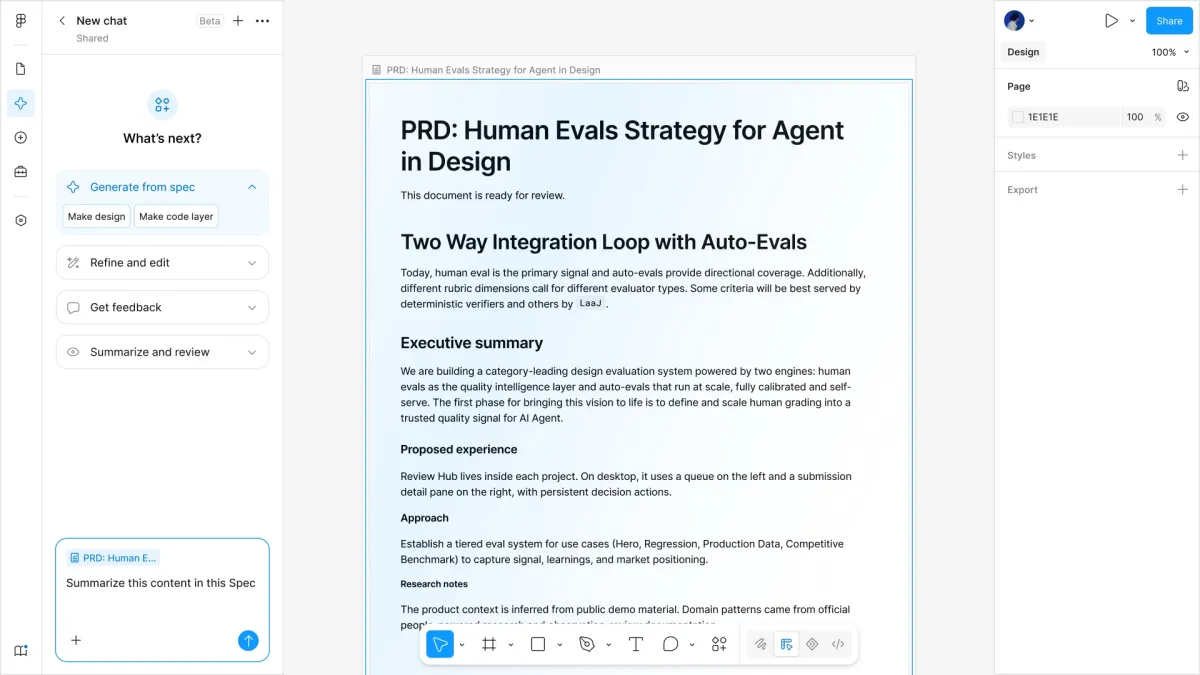
Figma has unveiled new features, including a Markdown-based editor and expanded code layer support, to help AI agents better adhere to brand design systems.

Diasoft announces that low-code platforms are becoming the primary framework for managing AI-driven development in enterprise environments.
AI agents enable rapid implementation of complex tech stacks, but reliance on them can lead to architectural bloat and a loss of engineering expertise.

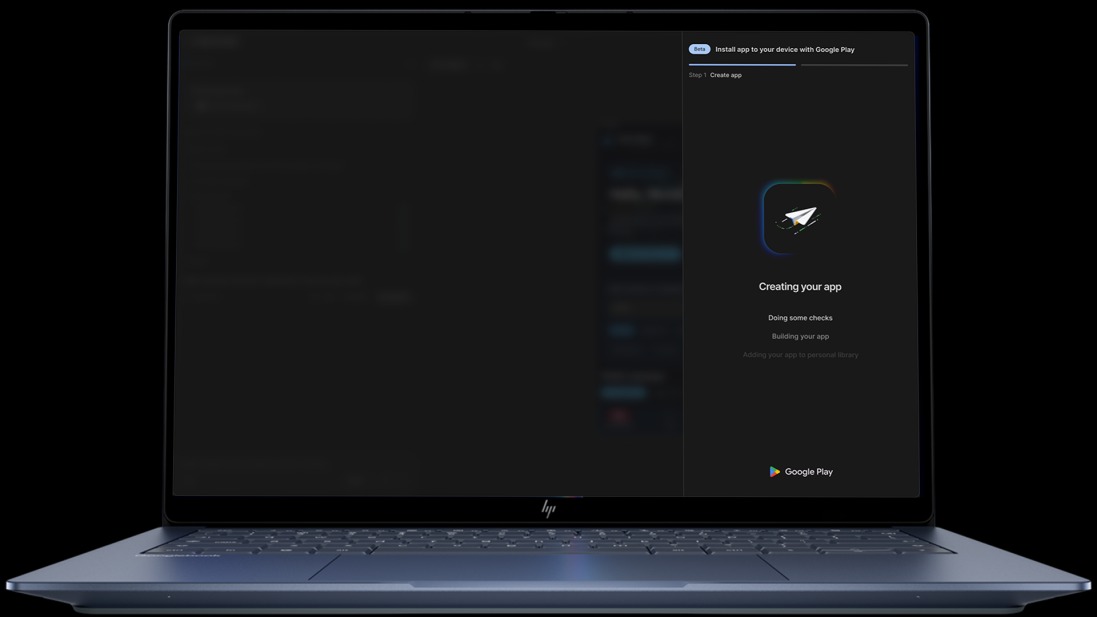
Google now allows Android users to run private AI-generated applications without publishing them to the public Google Play store.

Google now allows users to run private, AI-generated apps on Android devices without public store listing, while introducing new AI-driven discovery and comparison tools.

Google now allows users to publish private, AI-generated Android apps via Google AI Studio without needing a paid developer account.

The integration of AI into software development has created a clear divide between personal automation tools and complex enterprise systems, each serving distinct operational needs.

Google is enabling users to build native Android apps via AI Studio and distribute them privately through the Play Store's internal testing track, limited to 100 testers.

Anthropic has replaced Git with a custom source control system called Scion to manage a massive surge in AI-generated code merges.

Developer engagement with OpenAI and Anthropic is shifting as companies pivot toward internal tools and lower-cost alternatives amid cooling growth metrics.

A university instructor has developed Algorithm Judge, a local desktop application for automated grading of Python and R programming assignments.

Microsoft has updated its WinUI Gallery tool to version 3.0, enabling developers to test experimental Windows App SDK controls and new interface components for Windows 11.