AI
AI Adoption Trends Among Russian Professionals
Over half of Russian job seekers have integrated neural networks into their professional workflows, with text-based chatbots remaining the most popular tool.
October 13, 2026, 08:56 AM·CNews.ru
Over half of Russian job seekers have integrated neural networks into their professional workflows, with text-based chatbots remaining the most popular tool.
A study of 189 workers shows that female-coded AI assistants receive 10.25% less financial compensation than male-coded versions, despite performing identical tasks.

California has enacted the No Robo Bosses Act, becoming the first US state to ban employers from using AI as the sole justification for firing or disciplining staff.

A Weeek study of 1056 employees shows that 31% of staff are required to use AI tools against their judgment, with middle-level specialists in the digital sector facing the most pressure.
A joint study by hh.ru and Dream Job analyzed 2.7 million reviews to rank industries and professions by workplace comfort, placing telecommunications and data science at the top.
Professionals are increasingly adopting AI-driven linguistic patterns and corporate jargon in their daily communication, leading to a shift in workplace interaction styles.

A SuperJob survey reveals that 77% of Russian employees trust their colleagues more than their employers or direct supervisors.
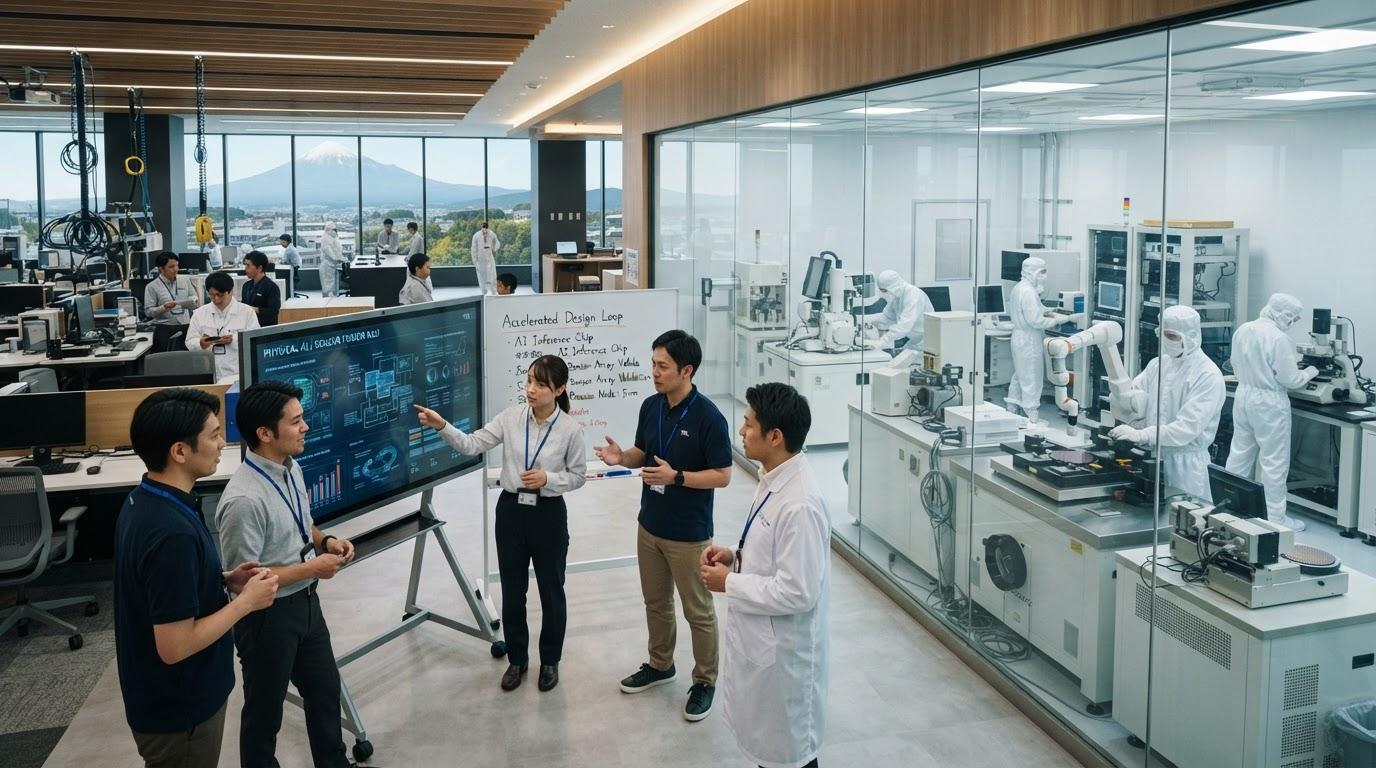
Sony is recalling 8,000 semiconductor division employees to the office to accelerate the development of Physical AI systems.
A new study by VK WorkSpace shows that 23% of SMEs are adopting AI, with employees primarily delegating routine tasks like meeting summaries and scheduling while retaining control over decisions.
New research highlights how AI integration shifts professional focus toward oversight and increases cognitive load, requiring new strategies for task management and fact verification.
A study by hh.ru and Level Group shows that 65% of women use AI in their daily work compared to 59% of men, with distinct preferences for text tasks versus data analysis.
A study of 2,000 Russian office workers reveals that artificial intelligence helps save up to 10 hours per week, effectively reducing the daily workload by two hours.
UK employees are spending nearly £1 billion annually on personal generative AI subscriptions for work, according to a new Deloitte survey of 25,000 workers.