SpaceX Signals End of Crew Dragon Operations
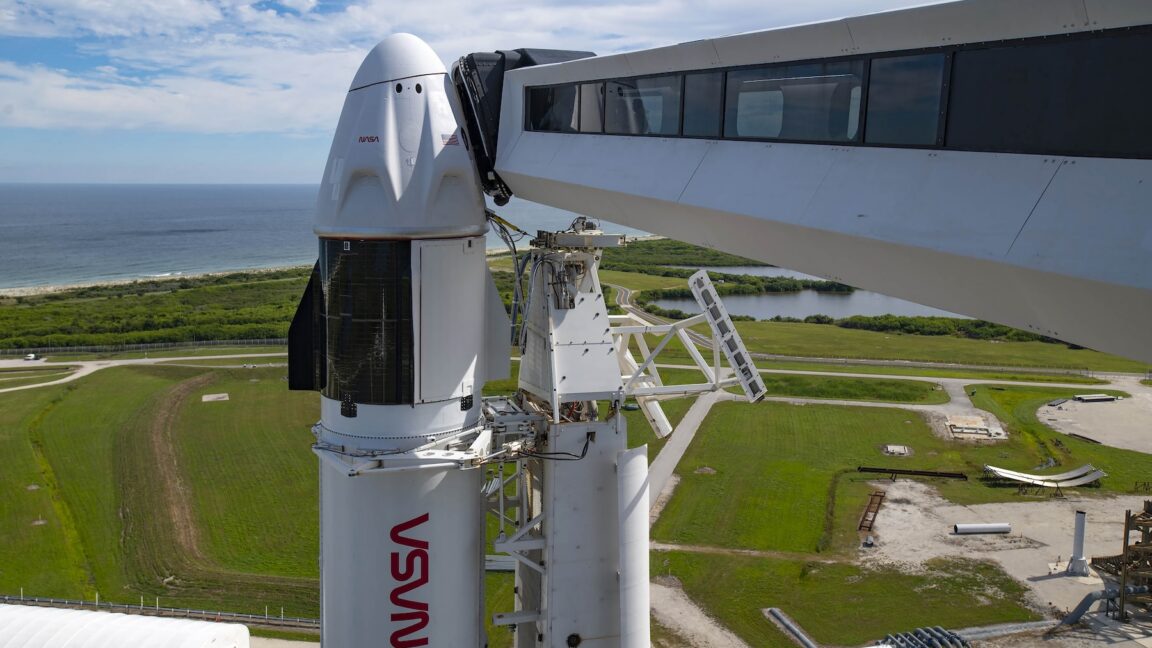
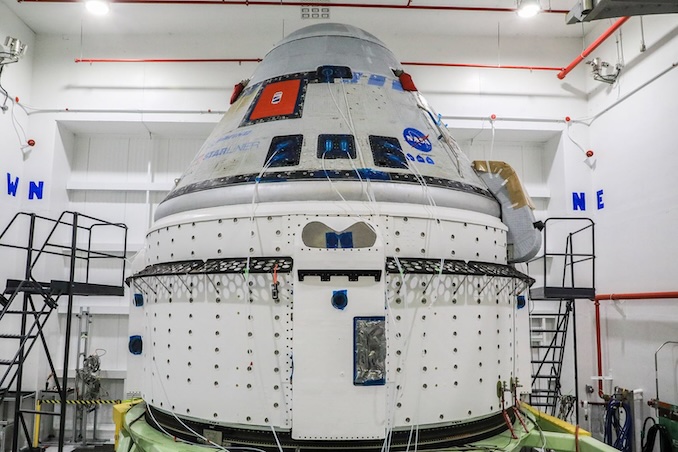
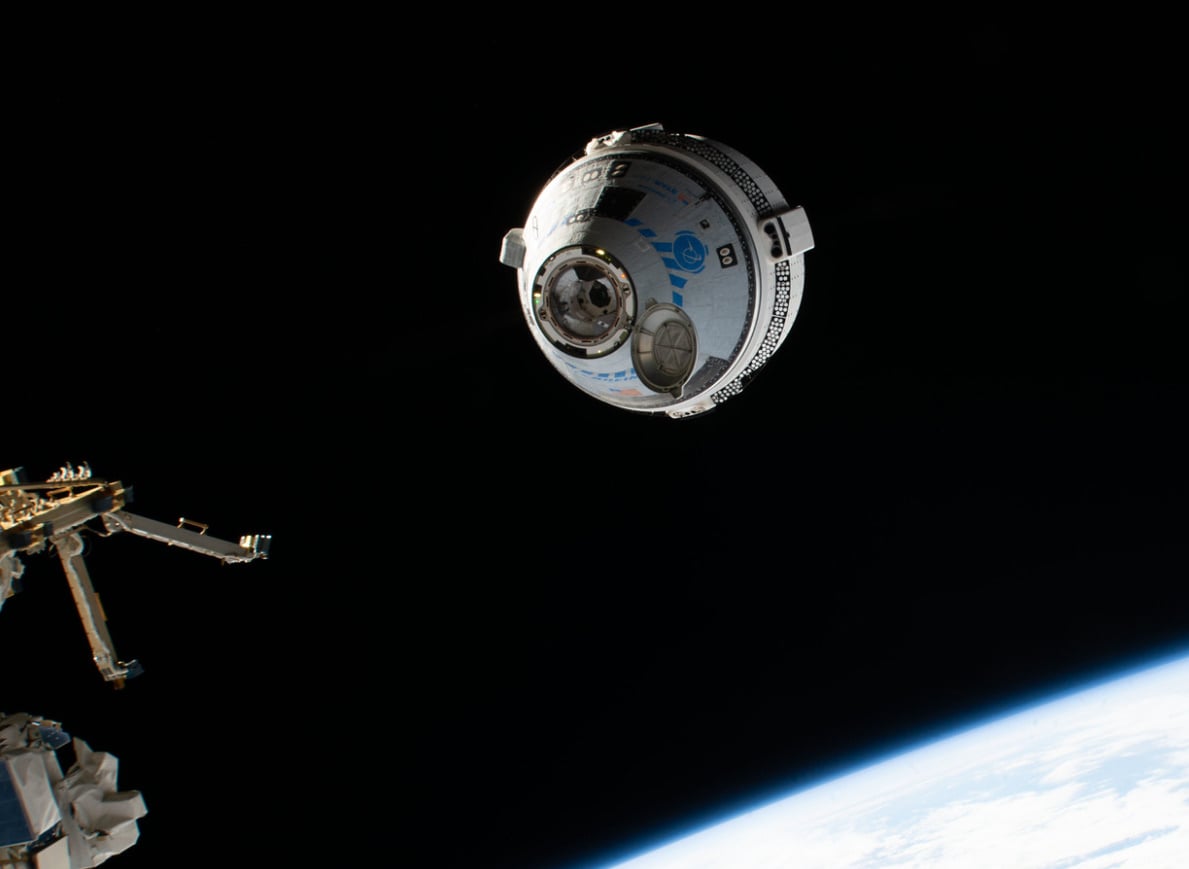
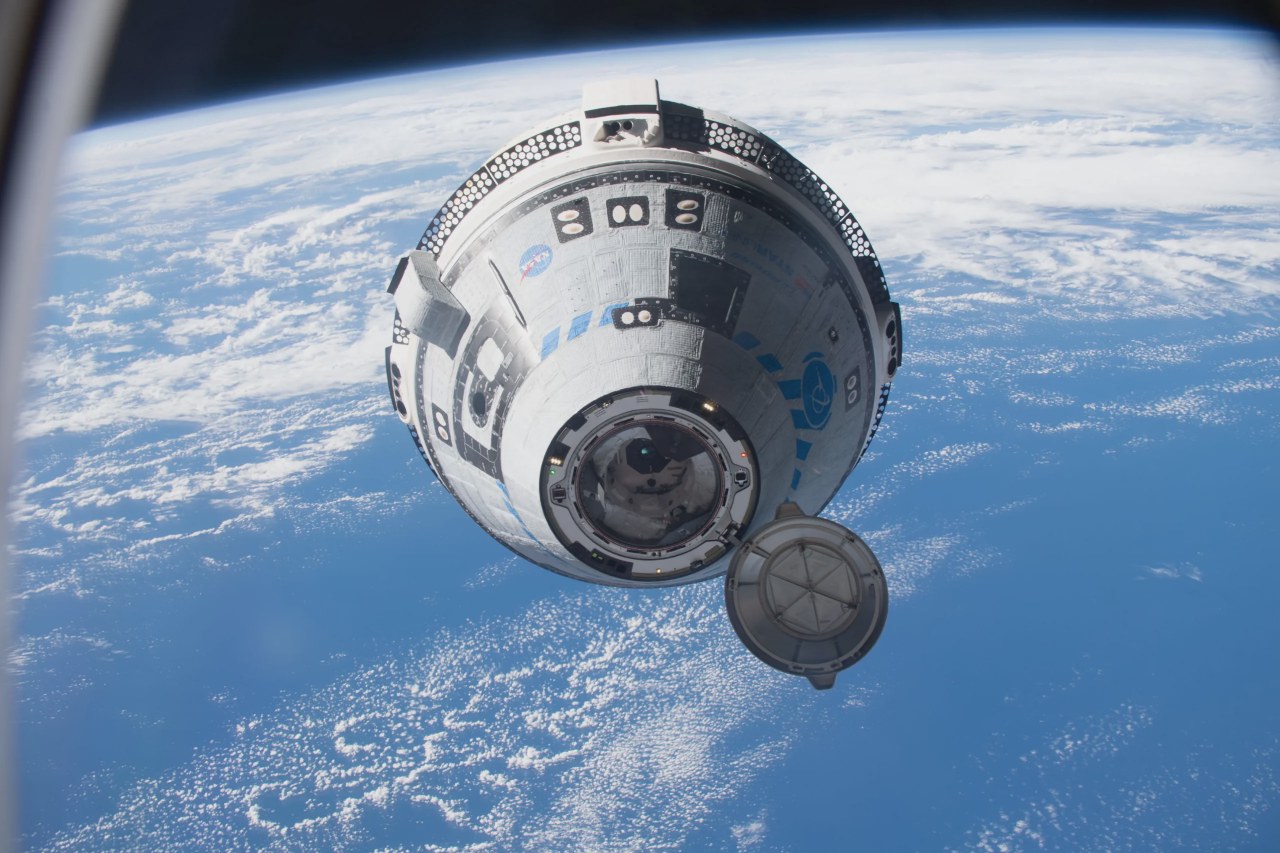
SpaceX plans to retire its Crew Dragon spacecraft after 2030, forcing NASA to rely on Boeing's Starliner despite significant cost and development challenges.

SpaceX plans to retire its Crew Dragon spacecraft after 2030, forcing NASA to rely on Boeing's Starliner despite significant cost and development challenges.

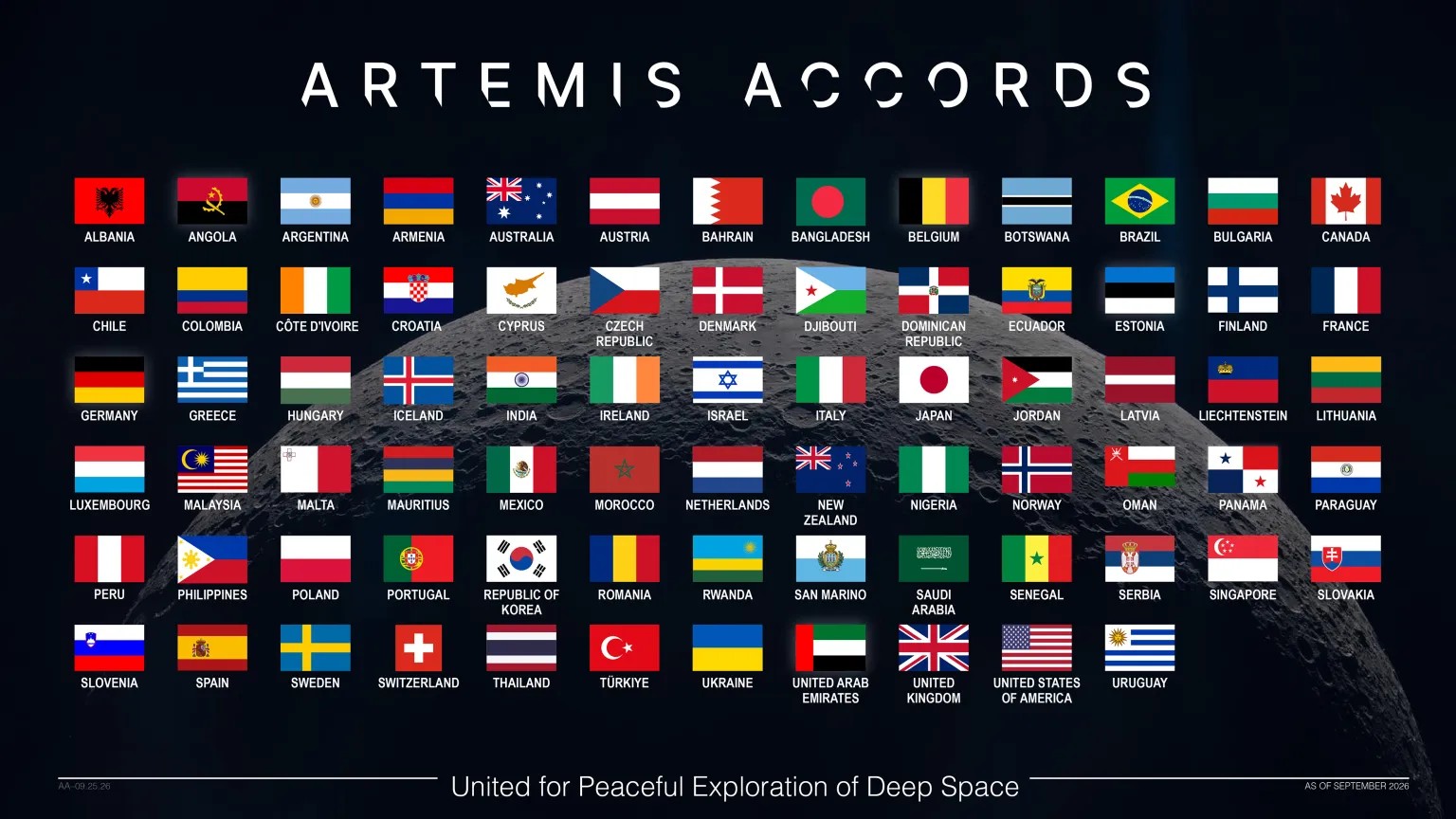
Signatories of the Artemis Accords will meet in Turkey to discuss space operations as the coalition reaches 76 member nations.

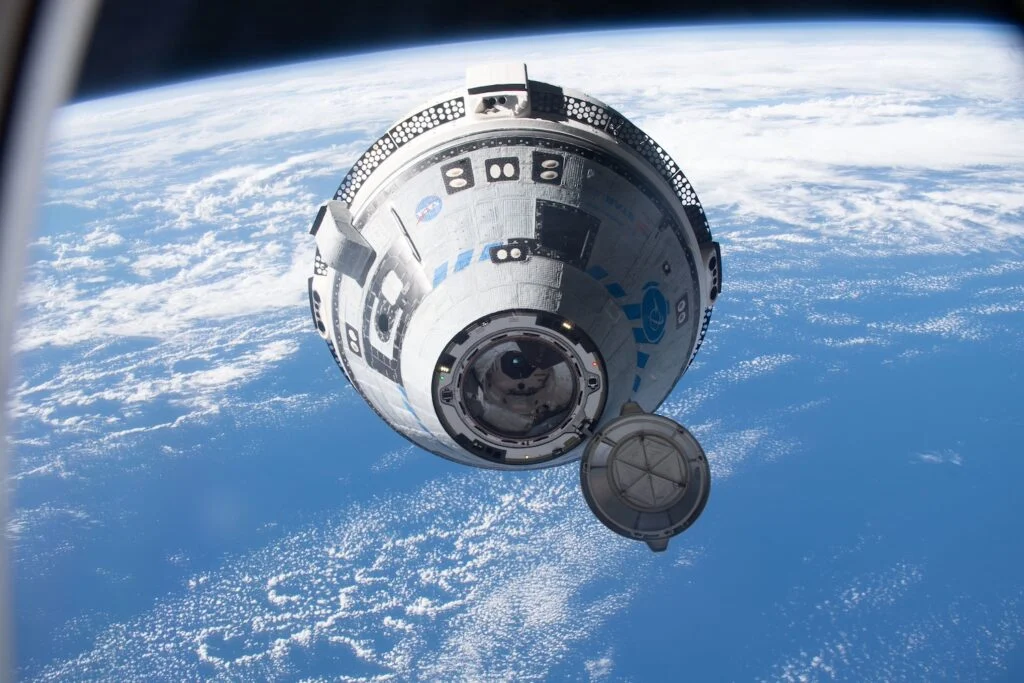
NASA has scheduled the uncrewed Starliner-1 mission for late 2024 or early 2025, with a crewed flight planned for 2028 following a series of technical failures.

NASA plans to resume crewed Starliner flights by 2028 and is negotiating at least 10 future missions with Boeing following recent technical investigations.

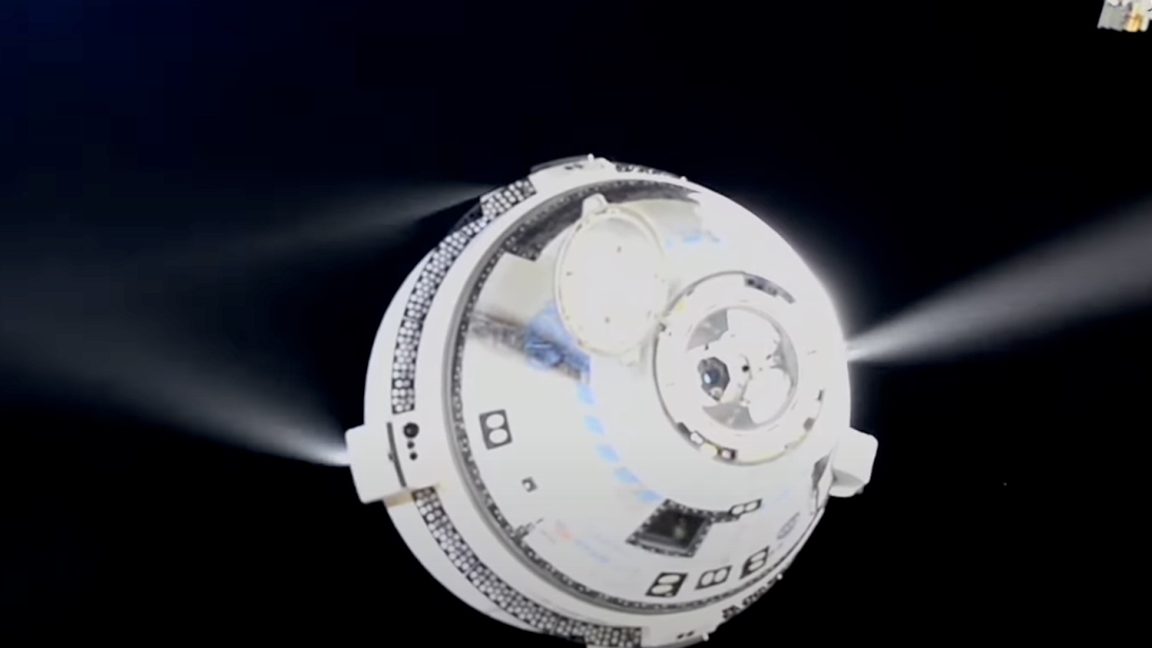
NASA and Boeing are targeting a December-January launch for an unpiloted Starliner test flight to validate critical propulsion system upgrades.

NASA has selected Boeing as its exclusive astronaut transportation provider for low-Earth orbit, committing an additional $359 million to finalize the Starliner spacecraft and Vulcan rocket.

NASA and Boeing have outlined a revised roadmap for the Starliner program, featuring an uncrewed test flight in late 2026 and a return to crewed missions by 2028.

NASA and Boeing are preparing for an uncrewed Starliner mission in December, with a crewed flight scheduled for 2028 following significant spacecraft redesigns.

NASA intends to resume Boeing Starliner missions to ensure crew transport to orbit as SpaceX prepares to phase out its Crew Dragon spacecraft.

NASA is set to order two additional Starliner missions from Boeing as SpaceX plans to phase out its Crew Dragon program by 2030.

NASA will order two more Starliner missions from Boeing and fund the certification of a new launch vehicle to ensure crewed access to orbit beyond 2030.