

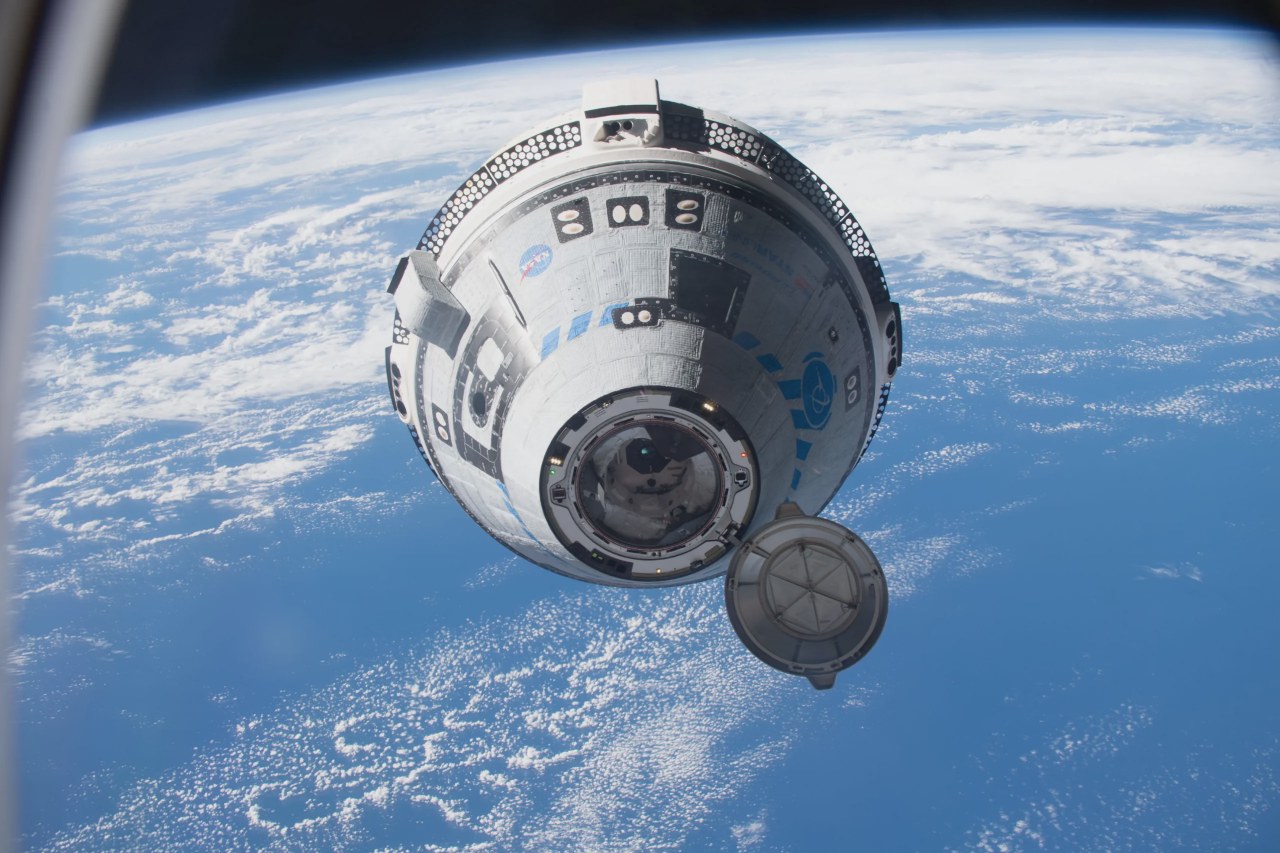
NASA and Boeing announced a redesign of the Starliner spacecraft following issues during the 2024 crewed test flight. Engineers addressed helium leaks by replacing seals with new materials and tighter tolerances. Additionally, they resolved thruster anomalies caused by valve corrosion and implemented thermal modifications to the service module to manage operating temperatures.
The agency scheduled an uncrewed Starliner mission for no earlier than December. A subsequent crewed flight to the International Space Station is planned for mid-2028, with NASA astronaut Woody Hoburg assigned to lead the mission.
NASA Administrator Jared Isaacman stated that the agency intends to procure at least one crewed mission to low Earth orbit every six months throughout the 2030s. The agency is encouraging private capital investment in the development of new crewed spacecraft to diversify options beyond the current reliance on SpaceX.
Separately, TRL11 secured a NASA contract to supply imaging systems for the Space Reactor-1 Freedom mission to Mars. Meanwhile, SpaceX successfully completed the first operational flight of Starship, which launched from Starbase, Texas, at 8:48 am ET, despite losing one of its six engines during ascent.



