

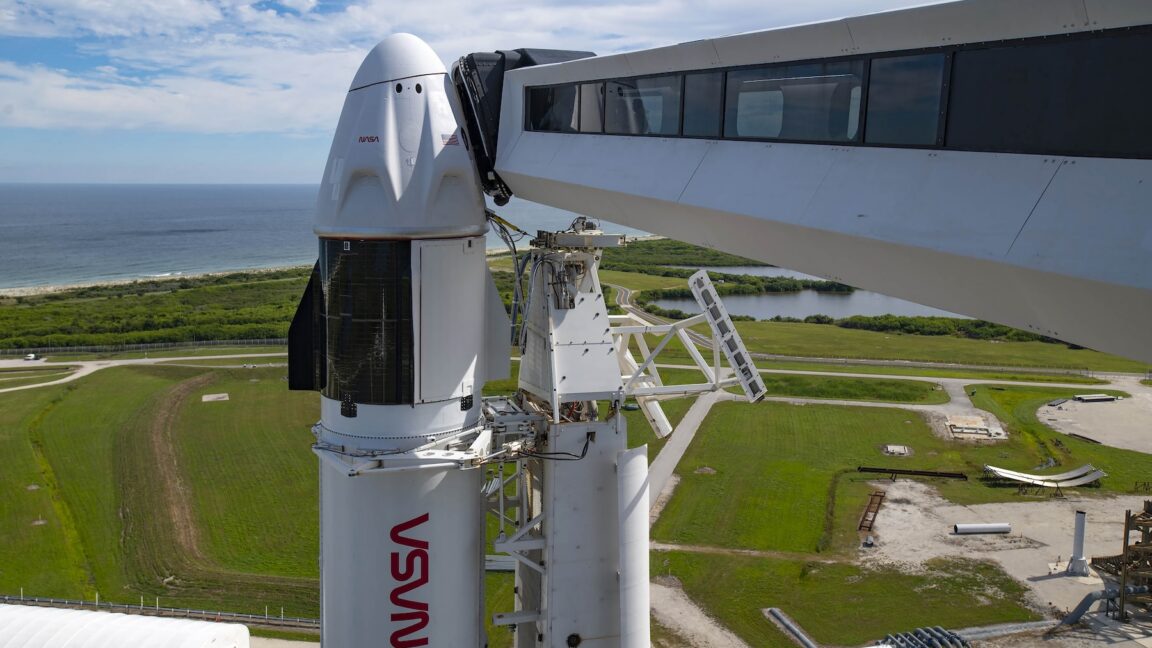
SpaceX has informed NASA that it intends to retire the Crew Dragon spacecraft and Falcon 9 rocket after supporting the International Space Station until 2030. The company has explicitly declined requests from private space station developers, such as Axiom Space, Voyager Space, and Vast Space, to provide transport services for their habitats.
NASA invested $3.1 billion in the development of Crew Dragon, with SpaceX completing 13 missions to date and committing to flights through the Crew-17 mission. SpaceX now prioritizes its Starlink business and the development of the Starship rocket, viewing NASA contracts as a minor fraction of its total addressable market.
While Starship could theoretically carry dozens of astronauts, SpaceX has stated it is not currently interested in developing the vehicle for human launches into Earth orbit. The company is focusing its resources on its own payloads and next-generation capabilities, leaving NASA with limited options for future crewed transport.
NASA continues to support Boeing, having invested $5.1 billion in the Starliner program to date, with an additional $359 million recently allocated for propulsion system fixes and Vulcan rocket certification. Starliner is currently the only viable option for NASA to maintain access to low-Earth orbit after 2030.
The cost of space travel remains a significant concern, as seat prices for Dragon rose from approximately $55 million to $78.8 million, while Starliner is priced at $90 million per seat. Alternative solutions, such as Blue Origin's New Glenn or international programs, are not expected to be ready for commercial crew transport until the 2030s.



