

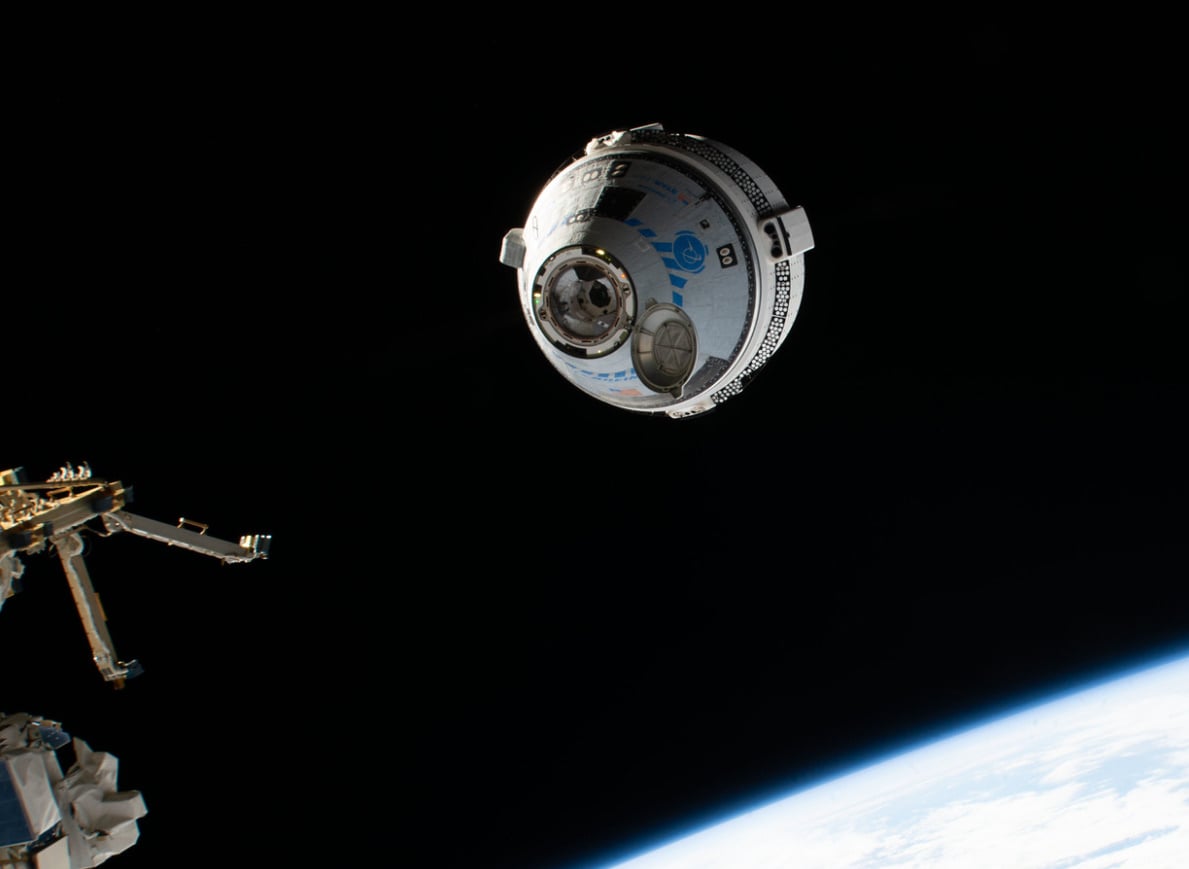
NASA and Boeing have announced a revised development plan for the Starliner spacecraft. The strategy includes an uncrewed engineering flight, designated as Starliner-1, followed by a crewed mission, Starliner-2, which is currently scheduled for 2028.
The uncrewed Starliner-1 mission is targeted for launch no earlier than December 2026, with a potential window extending into January 2027. This flight aims to validate thermal improvements on the service module and collect data to address 61 recommendations issued after the 2024 Crew Flight Test.
Technical modifications for the spacecraft include a redesign of thruster valves to prevent seal extrusion, the installation of new crew module thrusters and batteries, and updates to the parachute system. These changes are intended to resolve issues identified during previous flight tests.
NASA plans to exercise options for a fifth and sixth mission to the International Space Station using Starliner. Additionally, the agency is working with Boeing and United Launch Alliance to certify the Vulcan rocket for crew transportation, as the Atlas V launch vehicle is nearing the end of its production.
NASA astronaut Woody Hoburg has been assigned to command the Starliner-2 mission. The agency emphasizes that full system certification remains contingent on successful propulsion performance and rigorous adherence to human spaceflight safety standards.


