

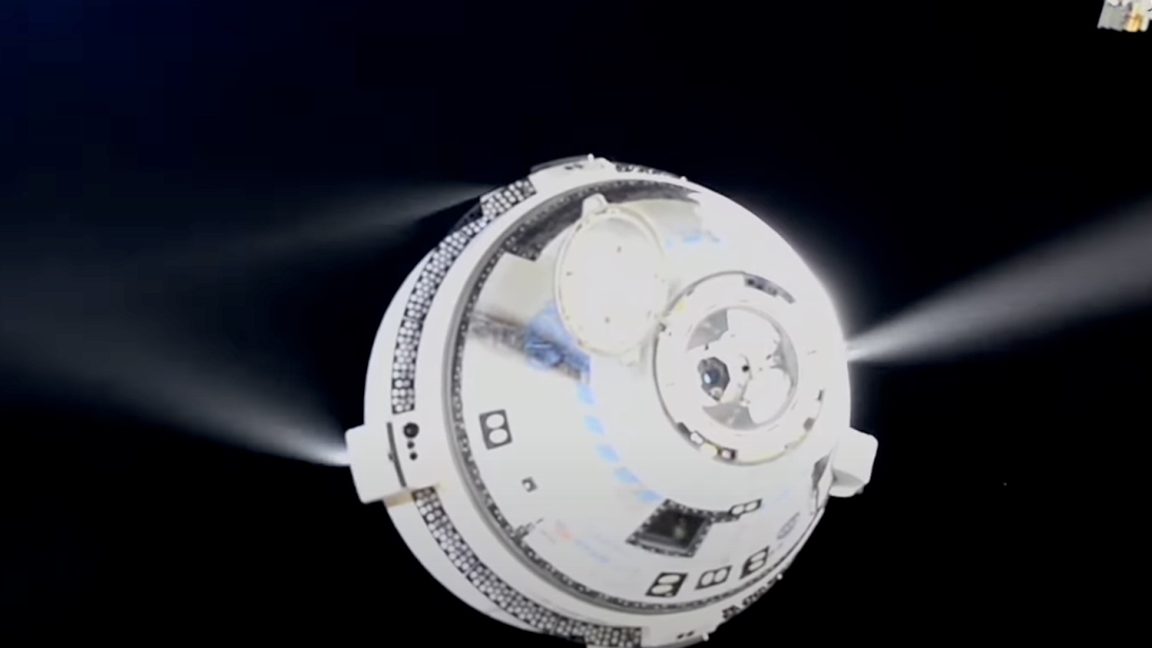
NASA has confirmed plans to rely on Boeing as its sole provider for astronaut transportation to low-Earth orbit following the retirement of the SpaceX Crew Dragon vehicle, expected by 2030. NASA will provide Boeing with $359 million to support the redesign of the Starliner reaction control system thrusters and to certify the United Launch Alliance Vulcan rocket for human spaceflight.
The agency has exercised options for two additional crewed missions, increasing the total number of contracted Starliner flights to six. Currently, NASA has three crewed missions under contract, with the first, Starliner-2, scheduled for mid-2028 under the command of Woody Hoburg. An uncrewed demonstration flight, Starliner-1, is targeted for launch between December 2026 and January 2027.
Boeing has incurred over $2 billion in losses on the Starliner program, while NASA has previously invested $5.1 billion through its fixed-price Commercial Crew program. Despite these costs and technical issues encountered during 2019, 2022, and 2024, NASA officials stated that abandoning the project would be inefficient given the current state of development.
For the Starliner-2 through Starliner-6 missions, the agreed price is approximately $90 million per seat. Boeing is currently in discussions with commercial low-Earth orbit destination providers to serve as their transportation supplier, though the company has not yet committed to specific seat pricing for the 2030s due to pending vehicle and rocket certifications.



