

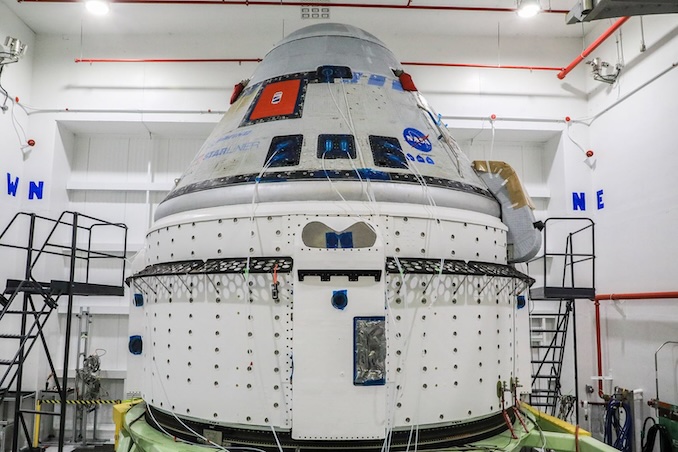
NASA and Boeing are preparing an unpiloted test flight of the Starliner capsule, scheduled for the December-January window. This mission aims to validate technical upgrades following the 2024 flight, which experienced propulsion system failures and resulted in a 286-day mission for astronauts Barry Wilmore and Sunita Williams.
The planned modifications include redesigned propulsion valves, enhanced thruster subsystems, improved parachutes, and upgraded batteries. Engineers are also installing a faster flight data recorder to monitor performance. These changes address issues identified by an independent review board, including helium leaks and thruster failures.
If the unpiloted test succeeds, the agencies aim to launch a crewed mission in mid-2028, commanded by astronaut Warren Hoburg. NASA intends to certify Starliner to maintain two independent crew transportation providers for the International Space Station, as SpaceX's Crew Dragon remains the only operational U.S. ferry.
NASA plans to certify the United Launch Alliance Vulcan rocket for future Starliner missions, as the inventory of Atlas 5 boosters is limited to six units. This strategy supports long-term access to low Earth orbit for both the ISS and future commercial space stations through the end of the decade.


