Space
Rare Triple Star System Found Hosting a Millisecond Pulsar
Astronomers have discovered the millisecond pulsar PSR J0435+3233 within a rare triple star system, noting its unusually rapid rate of deceleration.
October 11, 2026, 10:33 PM·iXBT.com
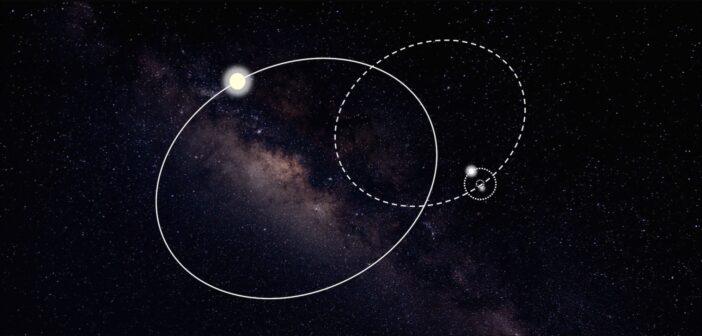
Astronomers have discovered the millisecond pulsar PSR J0435+3233 within a rare triple star system, noting its unusually rapid rate of deceleration.
Researchers using the FAST telescope have identified the first primordial pulsar triple-star system currently in an evolutionary phase, providing new insights into stellar dynamics.
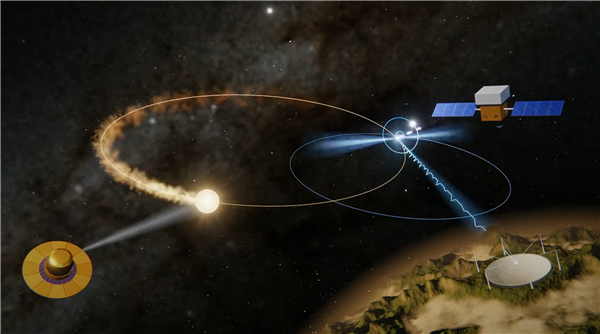
Chinese scientists have identified the pulsar J0435+3233 as the first known proto-triple star system still in its evolutionary phase.
University of Copenhagen researchers found that neutrino flavor transformation determines whether a massive star ends as a supernova or collapses into a black hole.
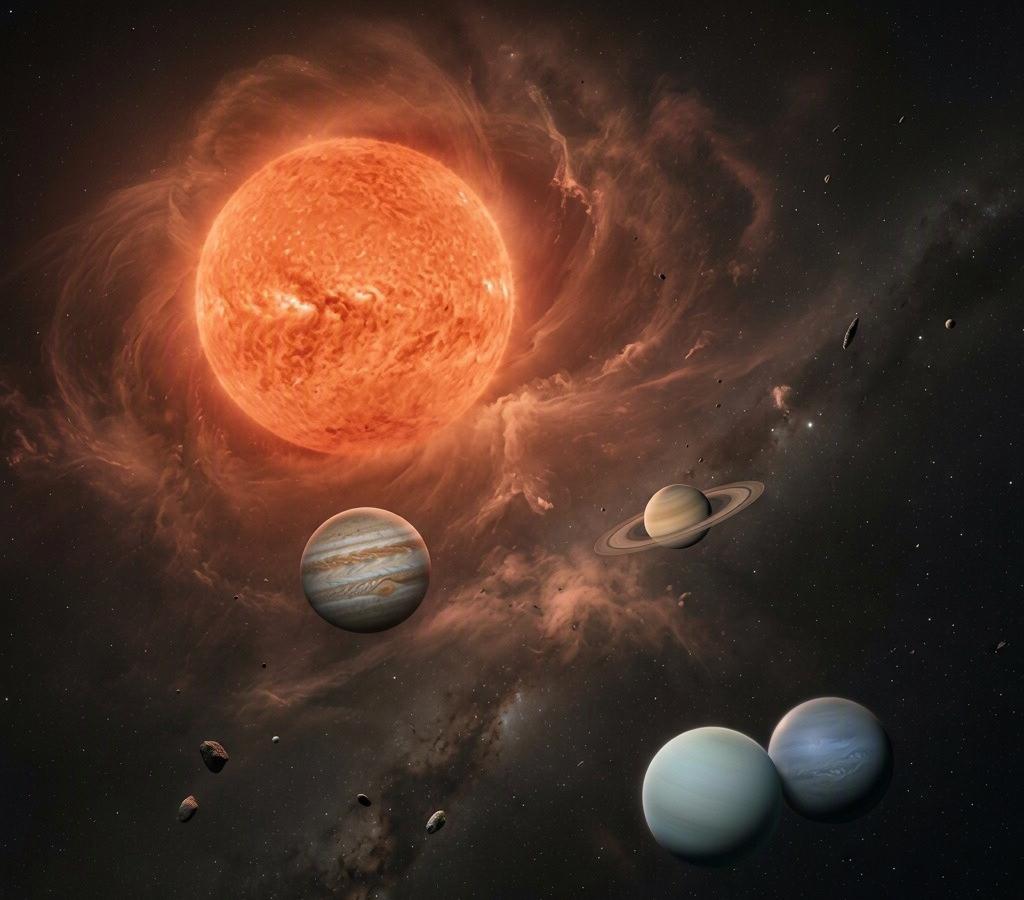
New research from Caltech indicates that the outer Solar System could face instability billions of years earlier than previously estimated due to asymmetric solar mass loss.
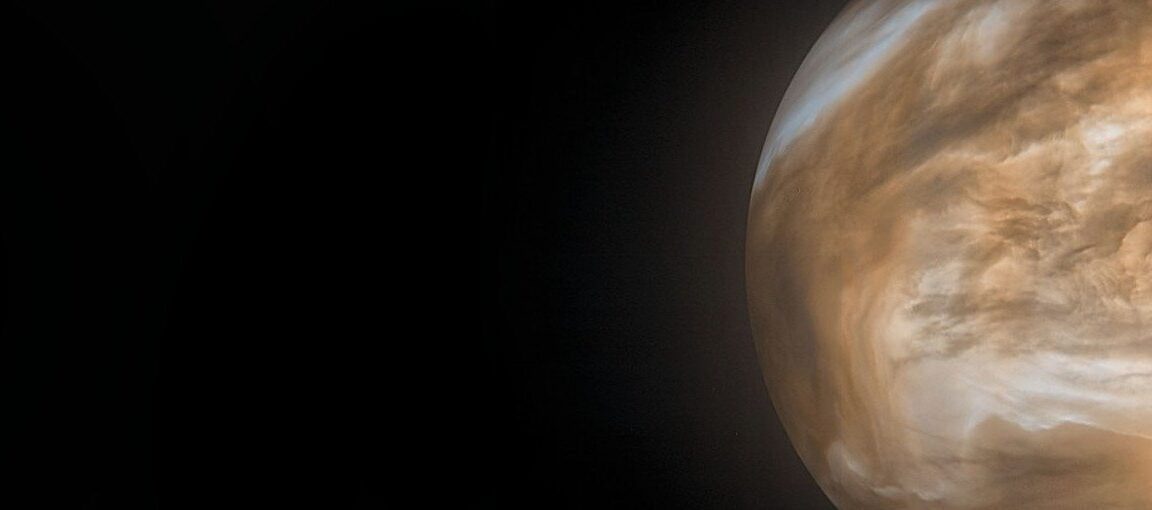
A team of scientists has determined that the mysterious haze surrounding Venus is formed by cosmic dust from meteorites, a discovery that also explains the planet's ultraviolet absorption.
Astronomers have detected potential evidence of a massive exoplanet orbiting the hot star HD 156295 using data from the TESS space telescope.
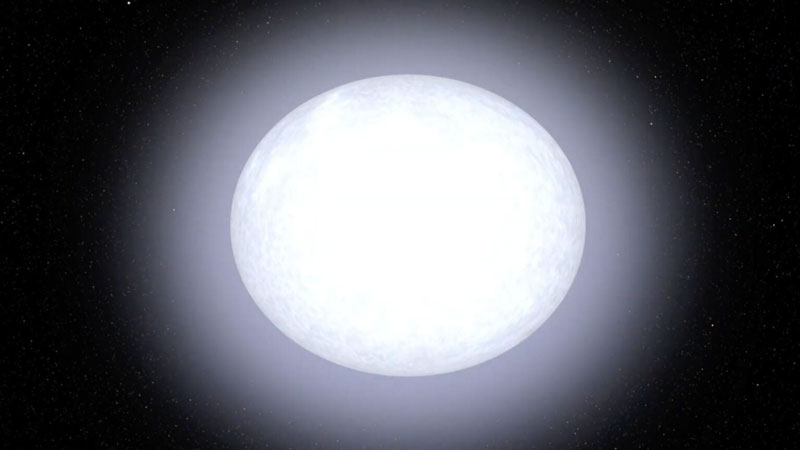
Astronomers have identified a potential exoplanet orbiting the hot A-type giant star HD 156295 using pulsation timing analysis of TESS telescope data.

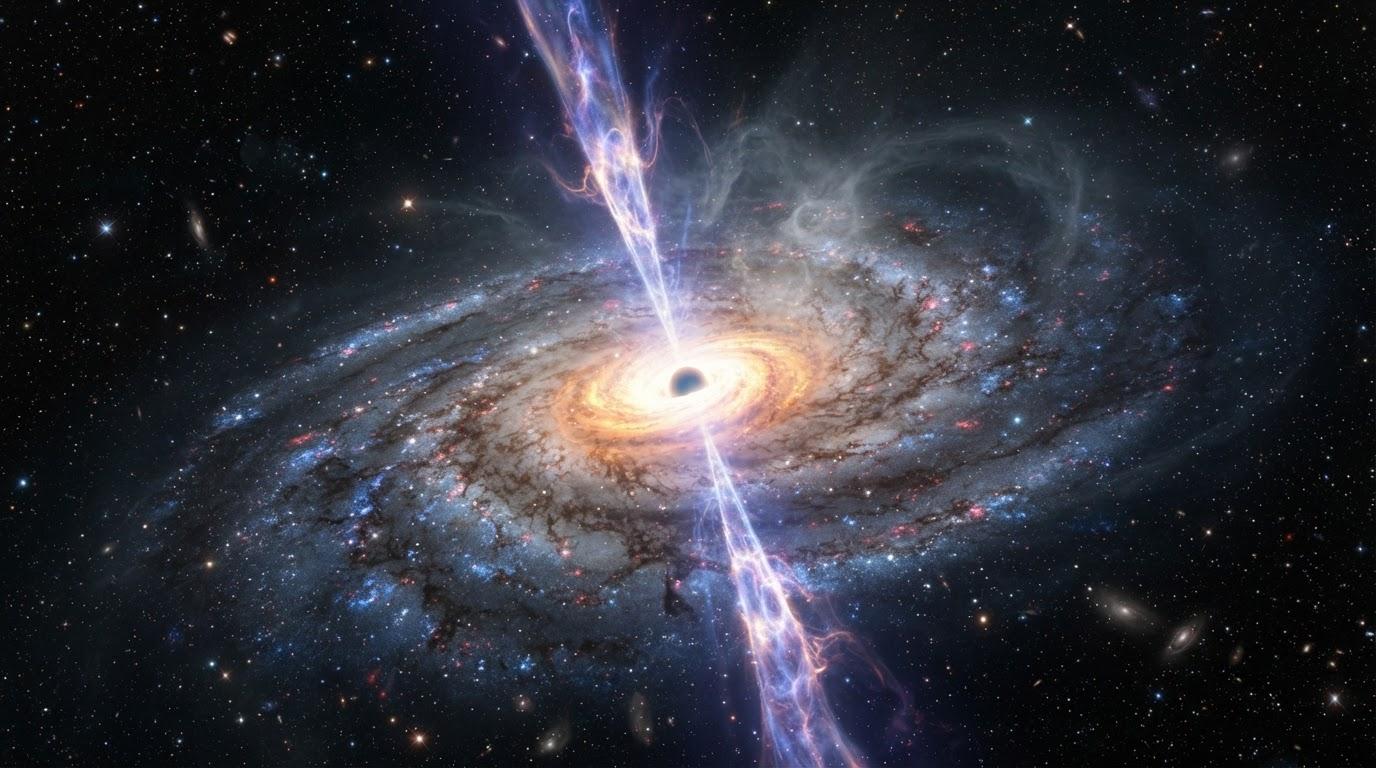
A new study reveals that supermassive black holes regulate galaxy evolution by heating surrounding gas with plasma jets extending hundreds of thousands of light-years.
Researchers using the James Webb Space Telescope have detected signs of an atmosphere on the rocky exoplanet HD 3167 b, the coldest lava world identified with such a feature to date.

Astronomers have successfully linked radio emissions to the exoplanet Beta Pictoris b, providing the first direct measurement of an exoplanet's magnetic field strength.
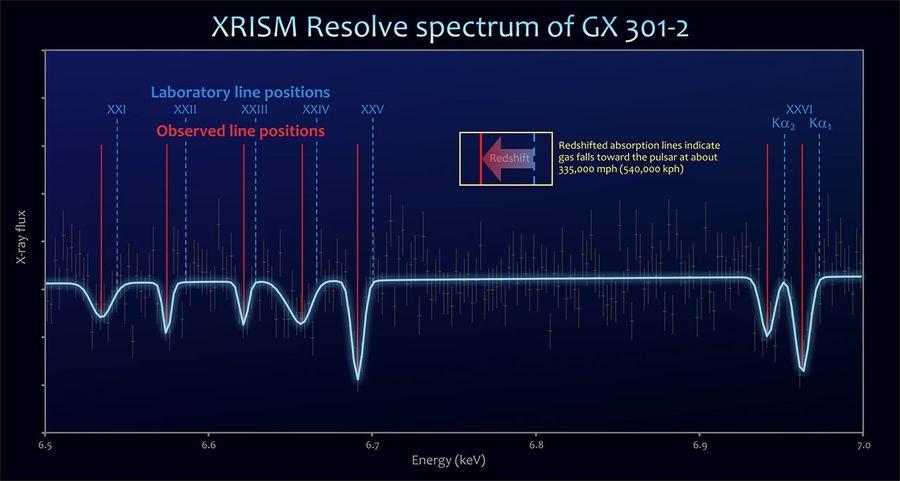
Researchers using the XRISM observatory have captured the first direct observations of a pulsar absorbing stellar wind at a speed of 540,000 km/h.
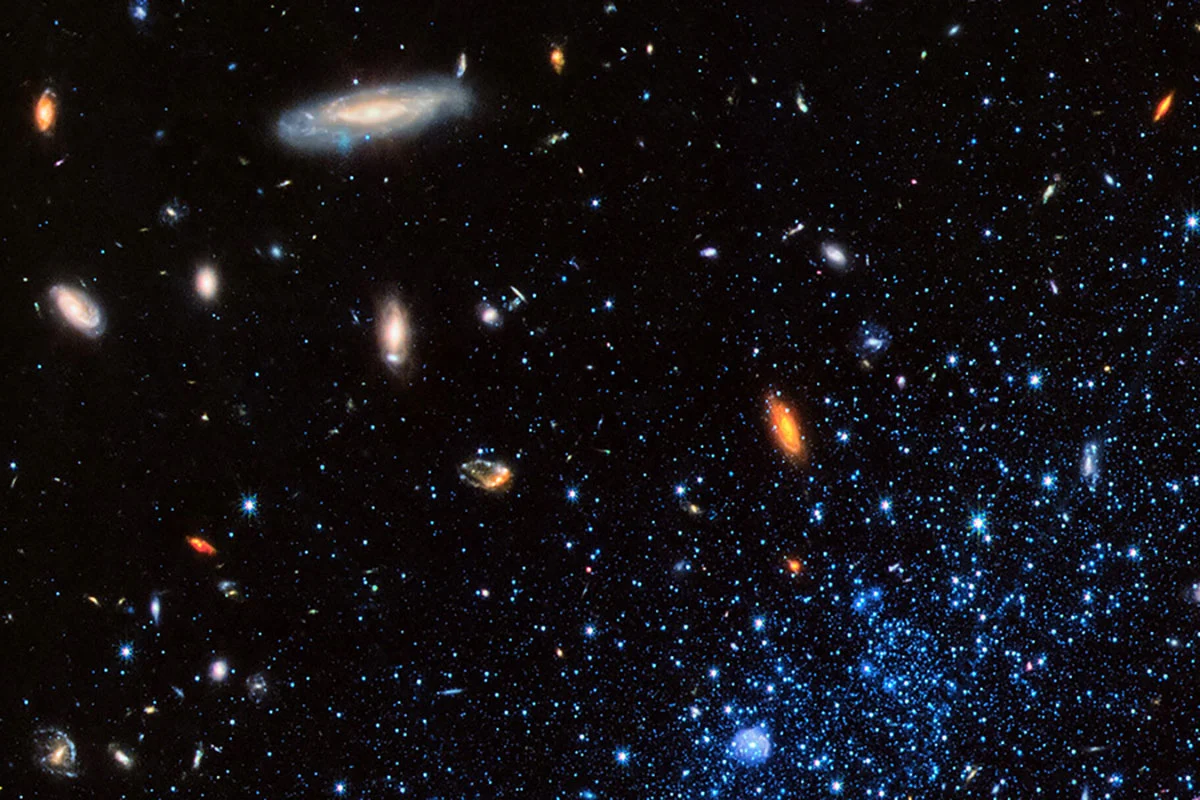
Astrophysicists have achieved a high-precision measurement of primordial helium-4 abundance, providing new constraints on Big Bang nucleosynthesis and early universe physics.
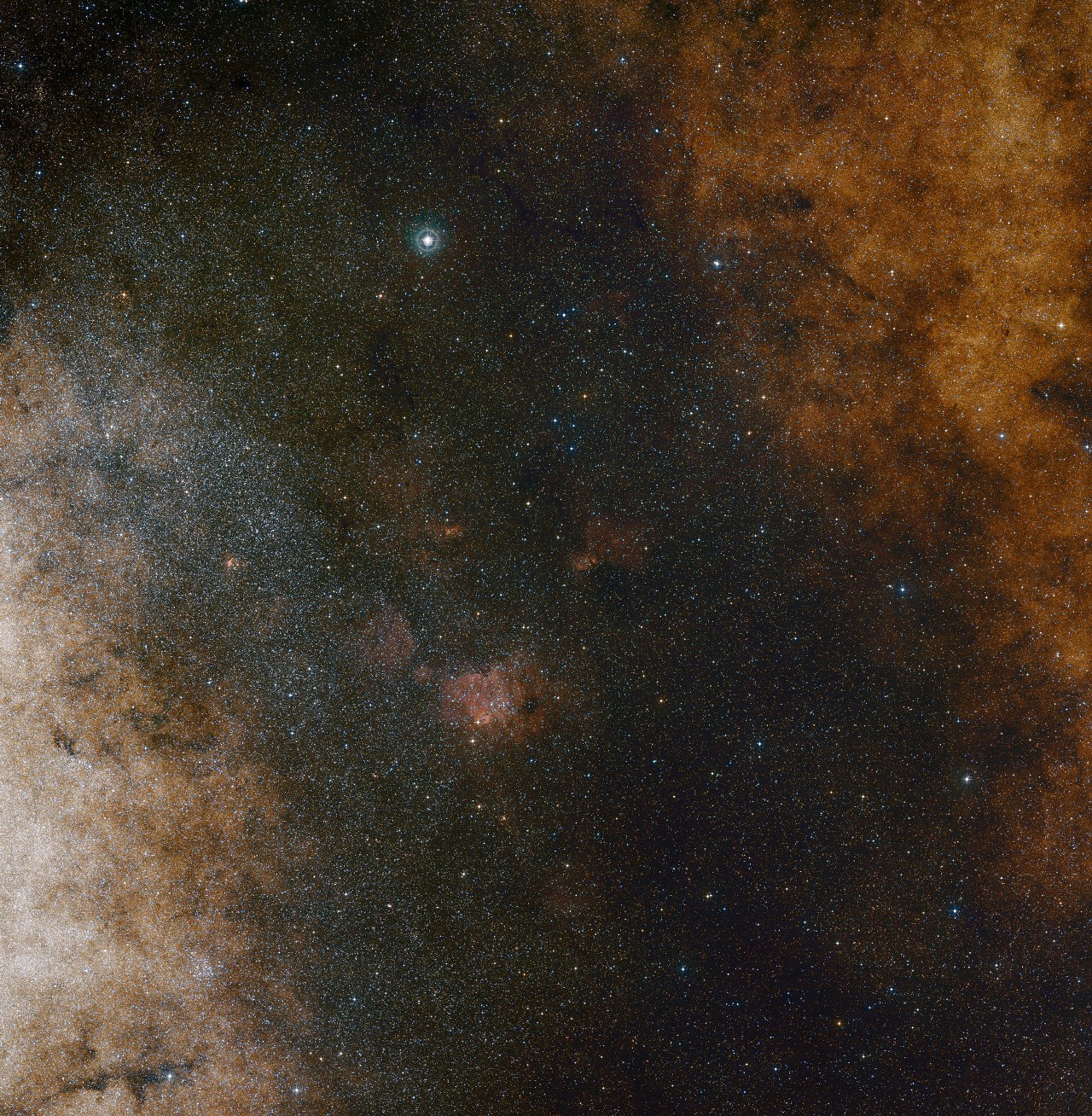
Astronomers have discovered S301, the fastest star ever observed orbiting the supermassive black hole Sagittarius A* at the center of the Milky Way.
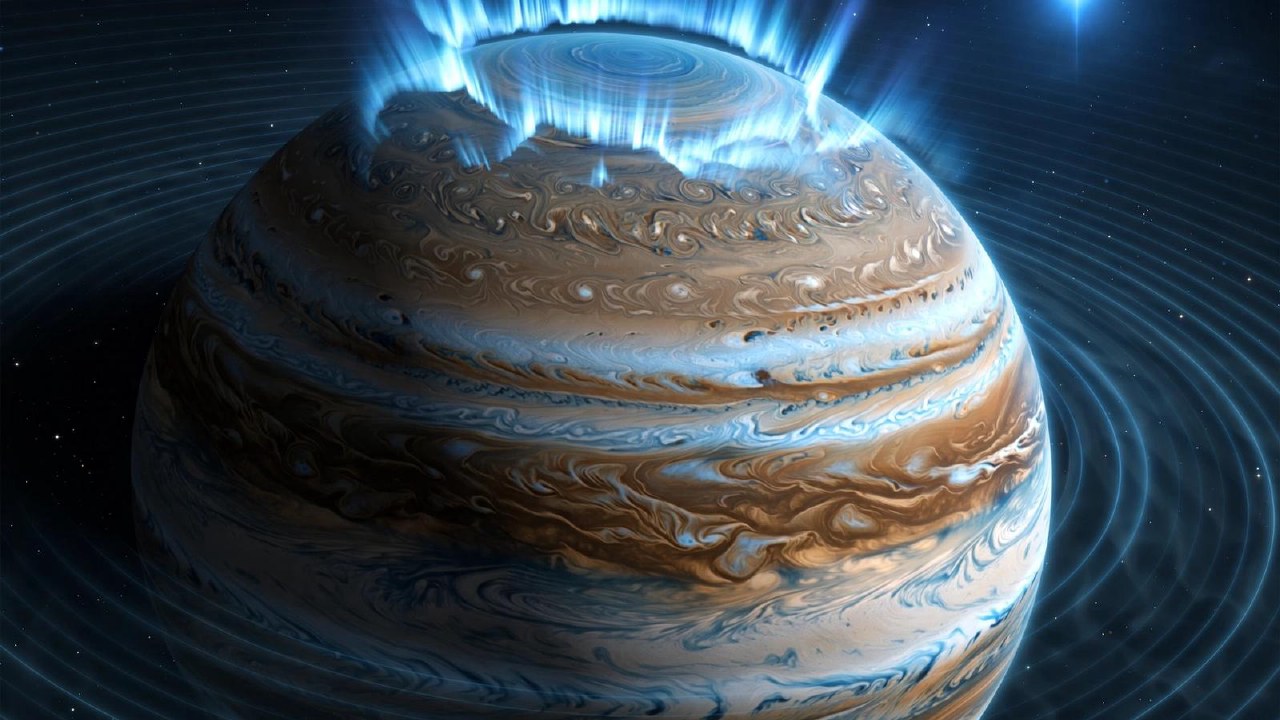
The James Webb Space Telescope has mapped the turbulent atmosphere of the cold brown dwarf WISE 0855, revealing complex weather patterns and jet streams.

Astronomers have discovered the youngest exoplanet on record, Elias 2-24 b, which formed in less than a million years, challenging existing models of planetary development.