EU Proposes €15 Billion Maritime Fuel Support Plan
The European Union's SMAP mechanism aims to provide €15 billion in support between 2028 and 2040 to accelerate the maritime industry's transition to green e-fuels.

The European Union's SMAP mechanism aims to provide €15 billion in support between 2028 and 2040 to accelerate the maritime industry's transition to green e-fuels.

The Breakwave Tanker Shipping ETF has surged over 5,000% in 2026, driven by record-high freight rates for supertankers following disruptions in the Strait of Hormuz.

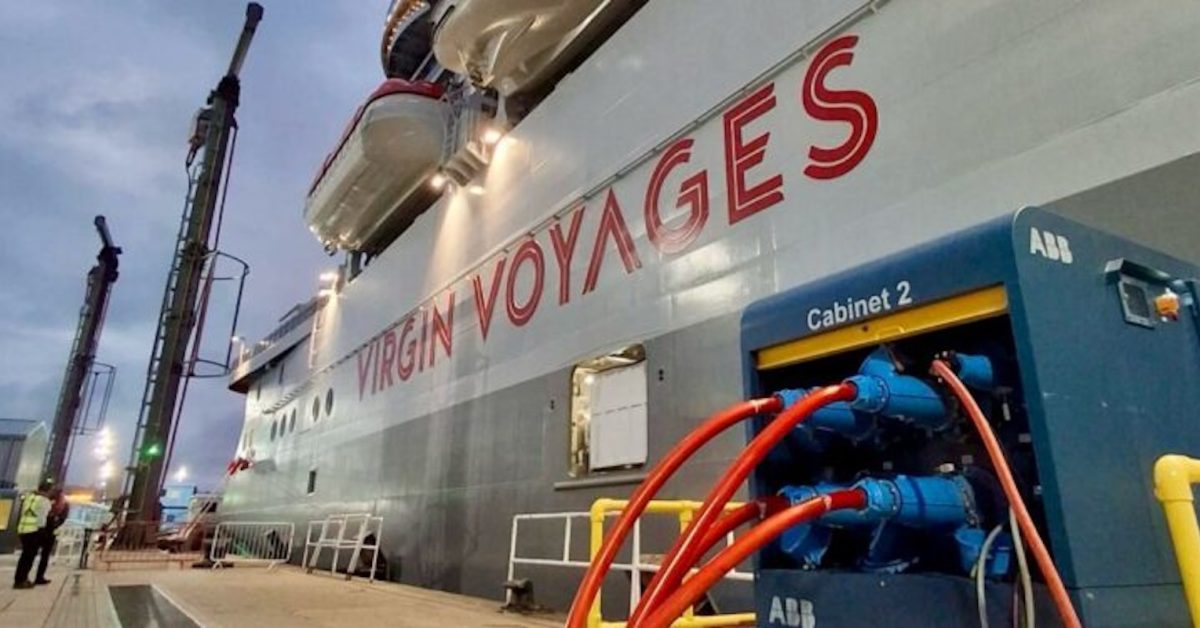
Portsmouth International Port has introduced the UK's first multi-berth shore power system, but high electricity costs currently make it more expensive than using onboard ship generators.

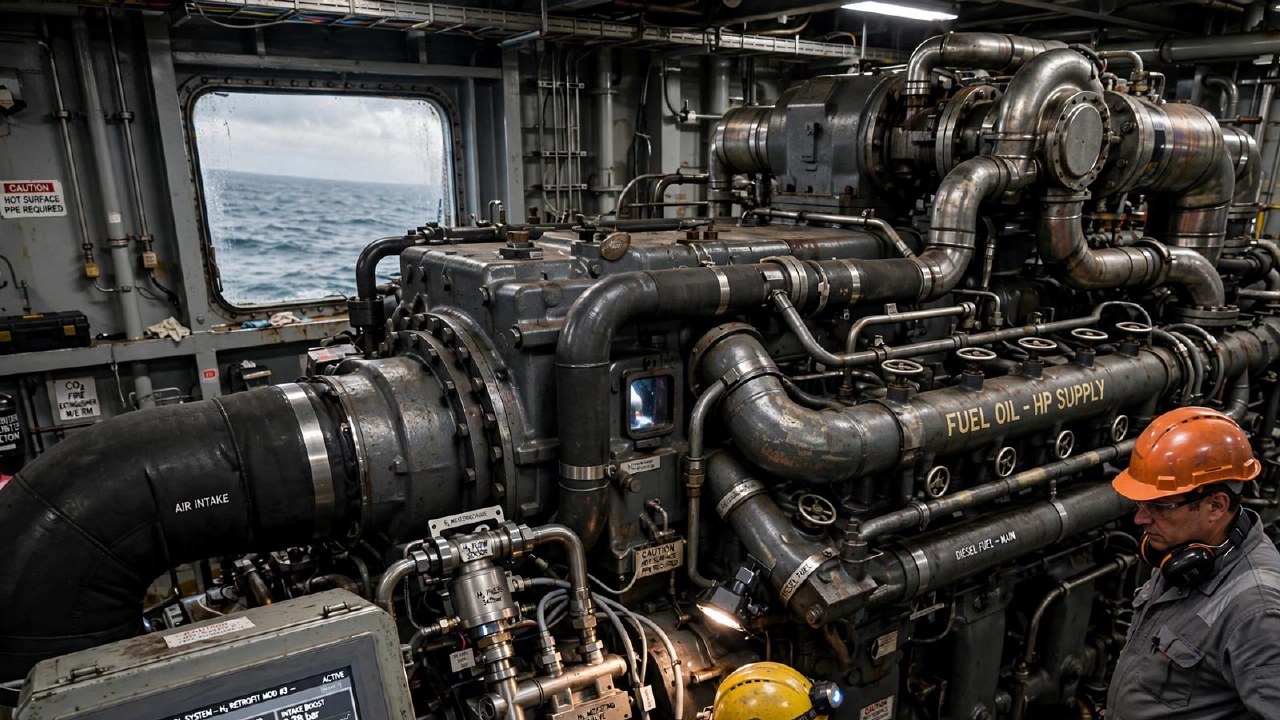
Newlight Marine Technologies has developed an AI-driven system that retrofits marine diesel engines to use hydrogen, cutting fuel consumption by 24% and reducing emissions.

Sitronics KT has supplied its proprietary Shkiper electronic charting system to the Yeniseyrechtrans administration to support maritime navigation in the Yenisey region.
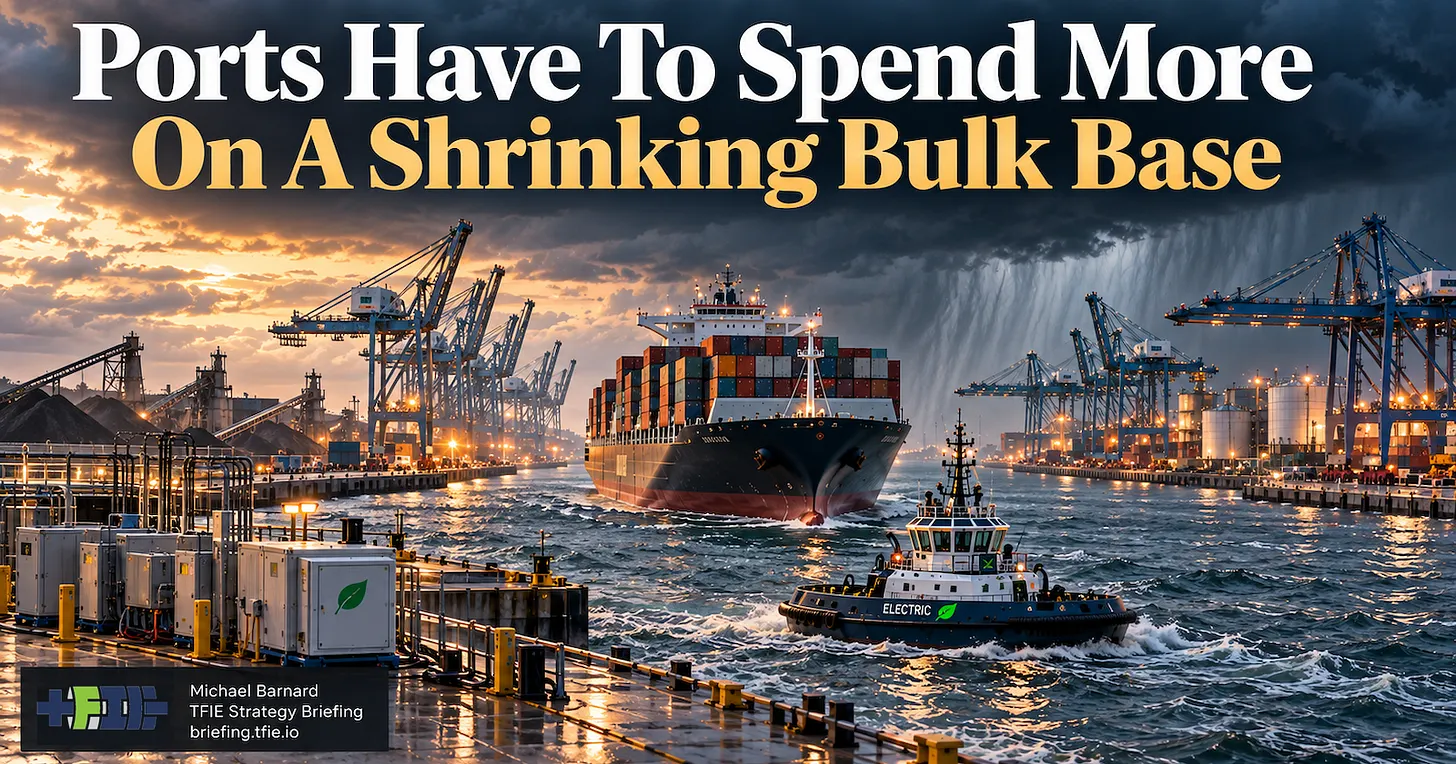
Global ports are struggling to fund infrastructure as traditional bulk cargo declines, prompting a strategic shift toward electrification to mitigate long-term investment risks.

The US government has seized three tankers carrying nearly six million barrels of crude oil valued at $600 million as part of an intensified campaign against shadow fleets.

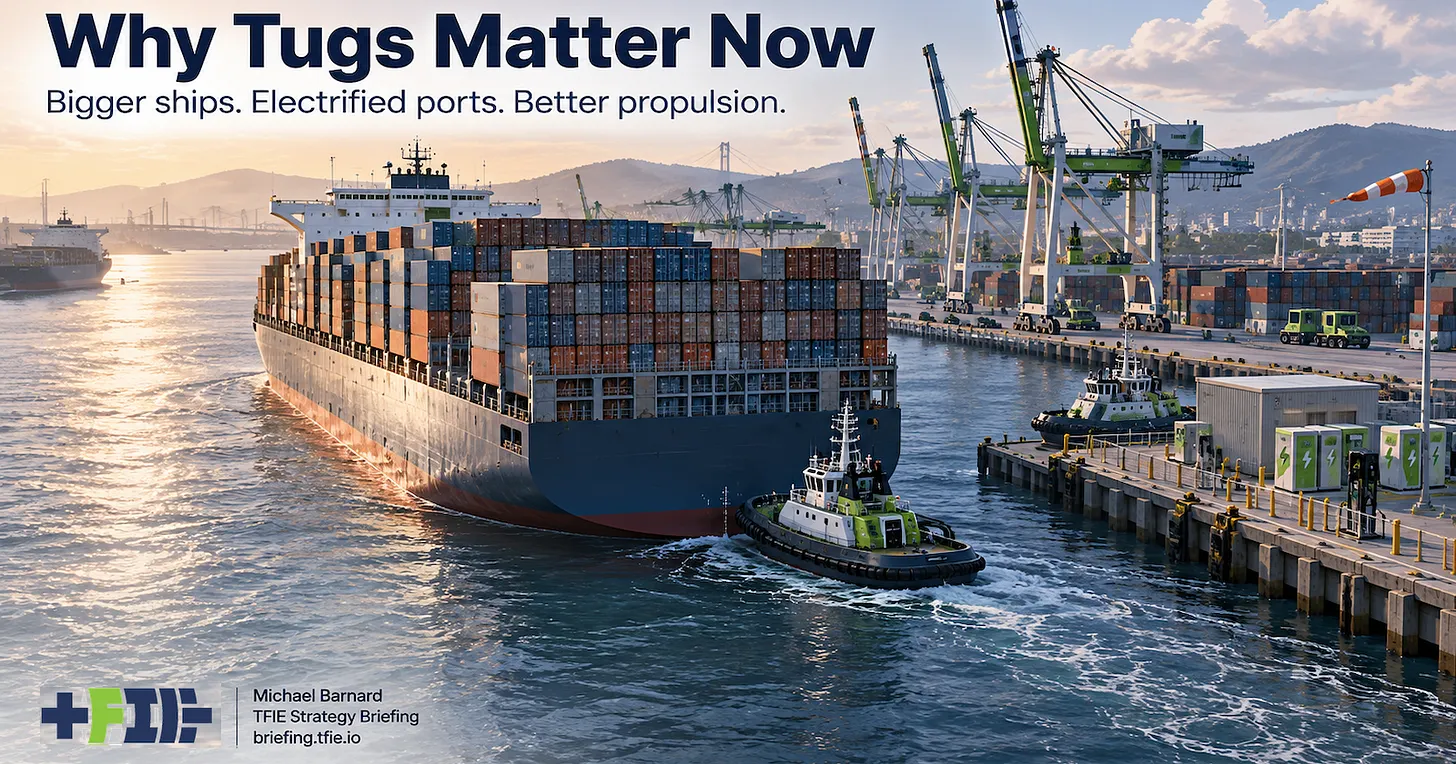
Harbour tugs are increasingly viable for battery-electric conversion as their operational duty cycles prioritize short power bursts over sustained high-energy output.

Infosecurity Service has secured accreditation from the Russian Maritime Register of Shipping to perform mandatory cybersecurity audits for maritime vessels.

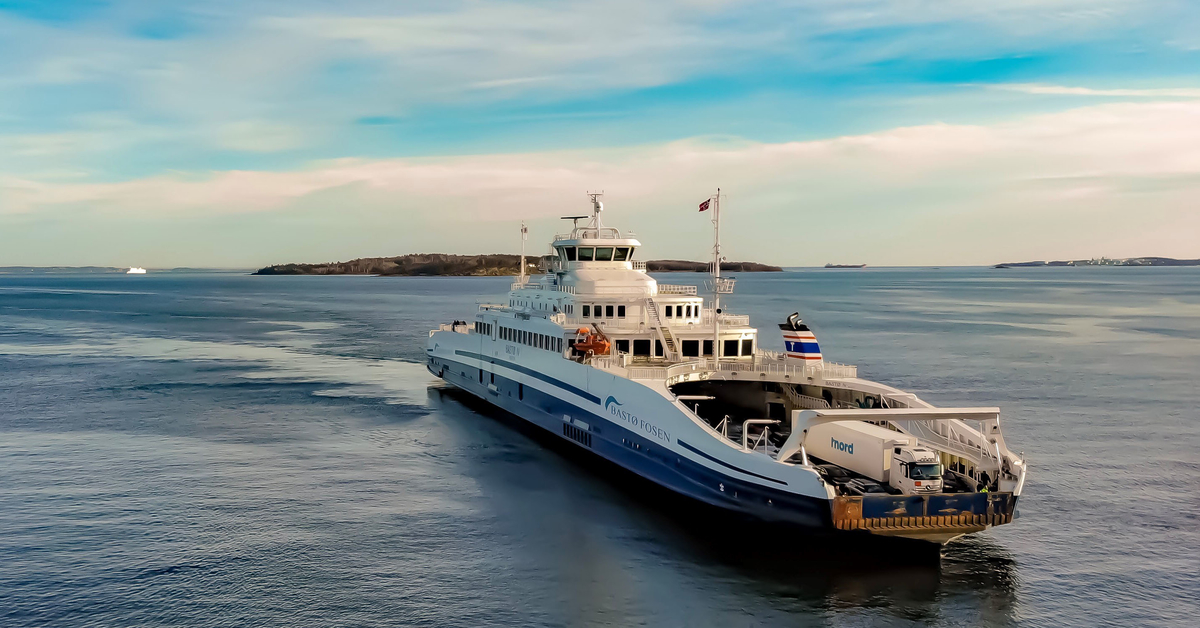
Norway's Bastø Electric ferry marks five years of service, demonstrating the integration of electric propulsion, fleet conversion, and automated docking on a high-traffic route.

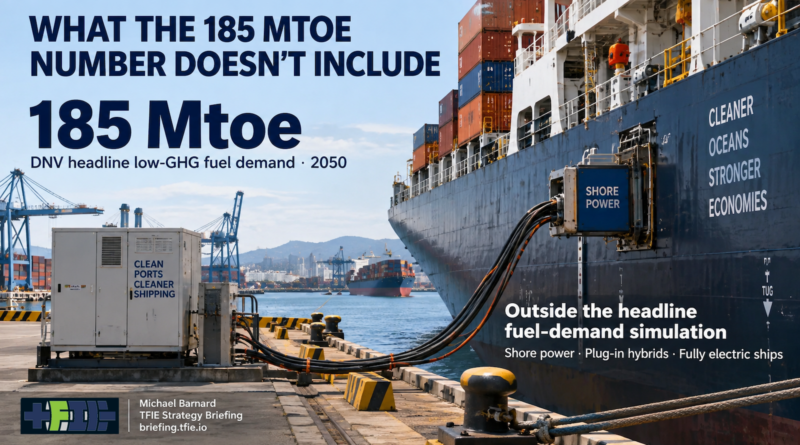
DNV’s 2050 Maritime Forecast projects a demand for 185 million tonnes of low-GHG fuel, though the model excludes direct electrification as a primary factor in reducing this headline figure.

Crude oil shipping costs have spiked 258% in two months, with supertanker daily rates exceeding $1 million for the first time due to geopolitical tensions.

A shortage of supertankers and record-high freight costs are threatening global oil trade flows, prompting shifts in market price expectations for the end of the year.

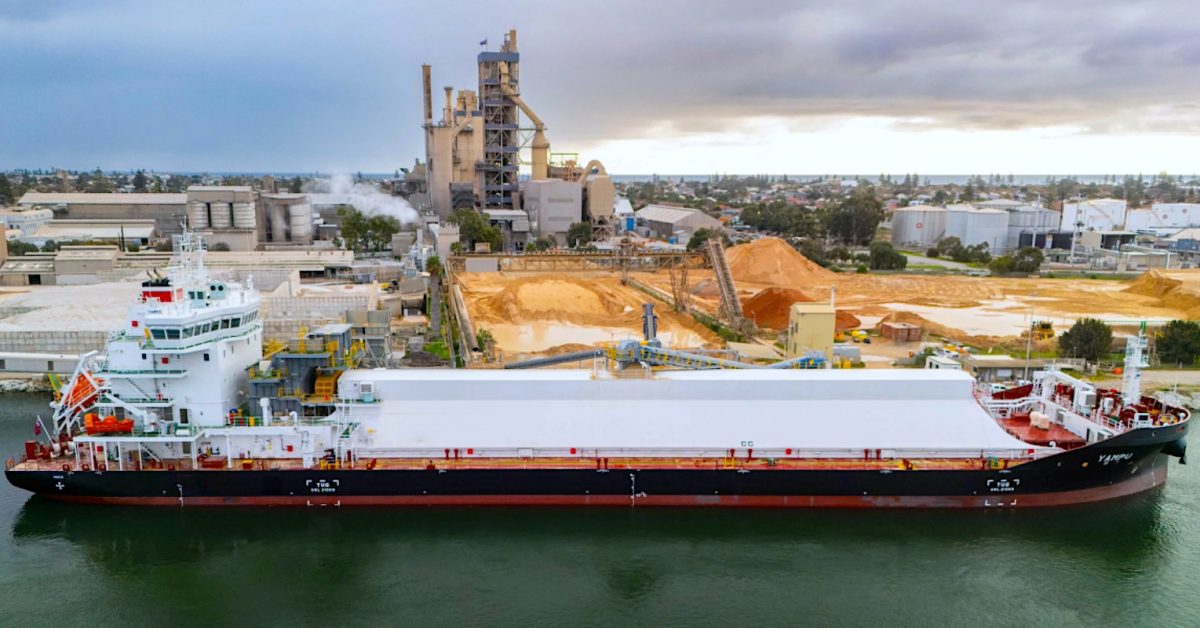
The newly launched MV Yampu is the world's first self-loading bulk cargo vessel, utilizing a hybrid diesel-electric system to reduce emissions by over 40% during limestone transport.

China is pressuring Iran to curb Houthi military activity in the Red Sea following a request from Saudi Arabia, as shipping disruptions impact global oil markets.

Sitronics KT and the Russian Fishery Company have signed a partnership agreement to implement advanced navigation and fleet monitoring technologies in the fishing sector.

Charter rates for supertankers on the Middle East-to-China route have surpassed $1 million per day due to shipping disruptions in the Strait of Hormuz.

Shipping ETFs are seeing record gains as the US-Iran conflict disrupts traffic in the Strait of Hormuz, driving freight rates and energy costs to new highs.

Dubai's $6 billion island project faces delays as regional Middle East conflicts disrupt logistics and increase infrastructure costs.

The UAE is facing wartime-like economic strain as regional conflicts disrupt energy exports, shipping, and tourism, according to a report by Bloomberg Markets.