Google Achieves Quantum Error Correction Milestone on Willow Chip
Google has validated a new quantum error correction technique on its Willow chip, achieving a 40-fold reduction in error rates and record-breaking T-state fidelity.
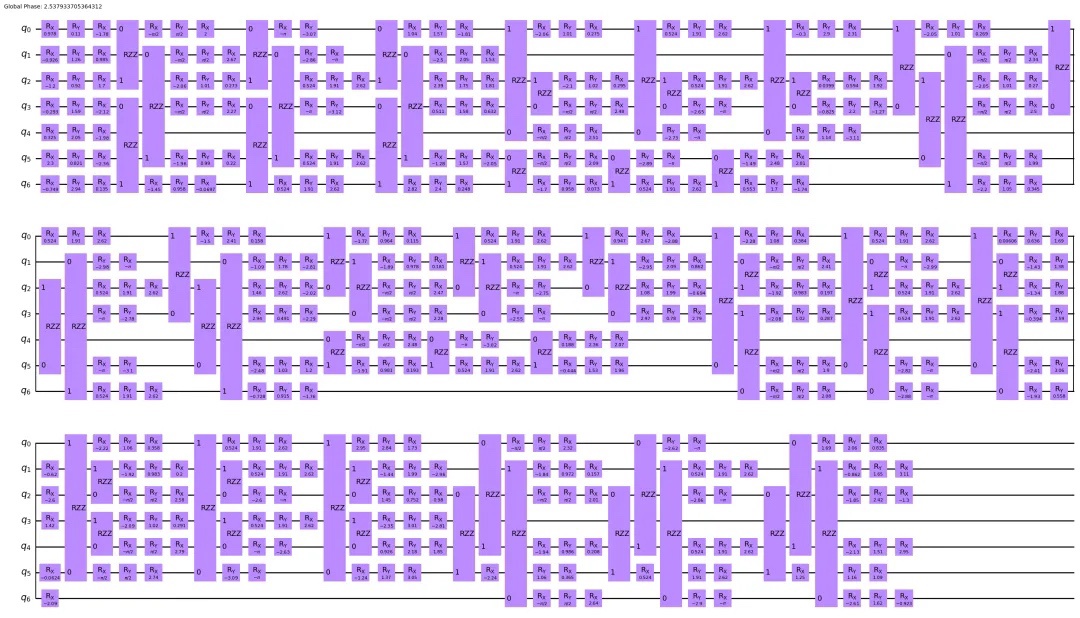
Google has achieved a 40-fold reduction in quantum computation errors using a new magic state distillation technique on its Willow processor.
Charles Edwards outlines key factors that could drive Bitcoin to new record highs, ranging from institutional ETF inflows to potential shifts in Federal Reserve policy.

Swedish startup FirstQFM has utilized an AI model to accelerate single-qubit operations by 33% on a superconducting quantum processor.

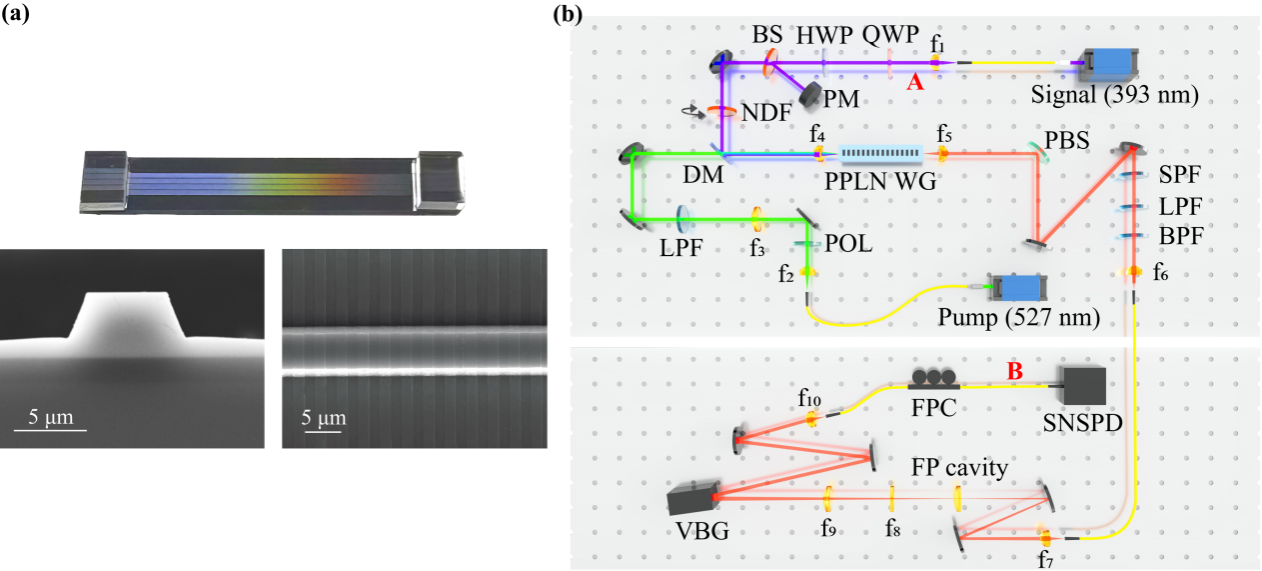
Researchers in China have set a new record for quantum frequency conversion efficiency, enabling long-distance fiber optic transmission for trapped ion quantum networks.

Quantum Computing Inc. and INmune Bio have partnered to use quantum optimization to identify new therapeutic applications for the experimental Alzheimer’s drug XPro.

Researchers have developed the first post-quantum security implementation for the Bitcoin Lightning Network, utilizing standardized algorithms to protect off-chain payments.

IonQ is acquiring zero trust startup Elisity in an all-stock deal valued at up to $1.3 billion, aiming to integrate quantum security solutions into enterprise and government networks.

Mysten Labs has executed the first quantum-safe transaction on the Sui devnet, introducing ML-DSA-65 signatures with a mainnet rollout targeted for Q1 2027.

ARK Invest researcher Lorenzo Valente believes Bitcoin is better prepared to implement quantum-resistant upgrades before the threat of quantum computing becomes critical.

CEOs of Intel and Broadcom warned that capital access and high training costs remain significant hurdles for the artificial intelligence sector.

Quantum computing supplier IonQ has entered into a definitive agreement to acquire cybersecurity startup Elisity for $1.3 billion in an all-stock transaction.

Injective has launched the development of quantum-resistant infrastructure following a low readiness score in a mid-2026 security evaluation.

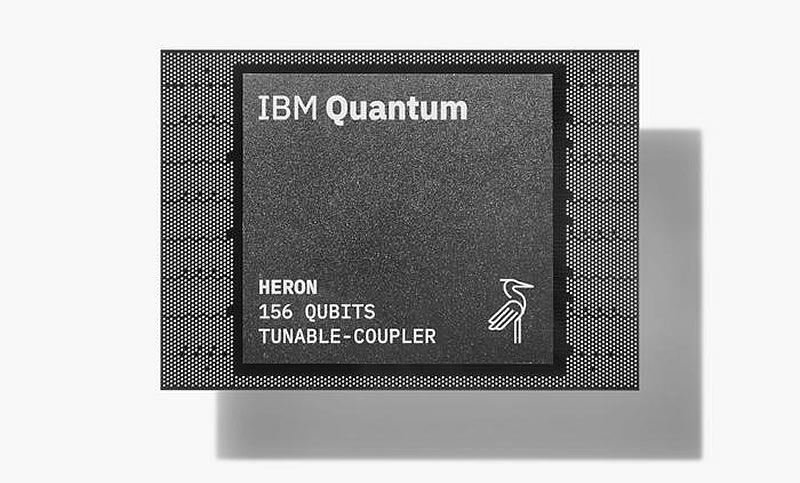
Researchers from Rutgers University and IBM have developed a method to enable real-time error correction in quantum computers using the 156-qubit IBM Quantum Heron processor.

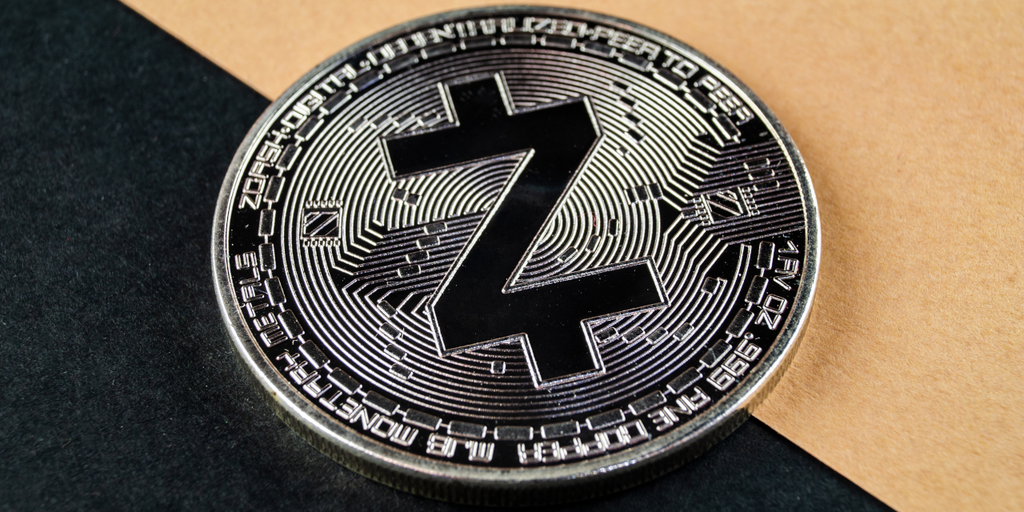
Zcash developer Zakura plans to introduce post-quantum signature opcodes by January to secure transparent pools against AI and quantum threats.

Justin Sun announced that the Tron network has deployed post-quantum cryptography on its testnet to prepare for future security threats.

Hefei Unitary Quantum Technology has set a new national record in China by achieving a Quantum Volume of 128 with its latest ion trap quantum computer.

Starknet is weighing a transition from an Ethereum layer 2 to an independent layer 1 blockchain to achieve quantum resistance by 2027, triggering a surge in its native token STRK.

Starknet is considering a transition to a layer 1 blockchain to achieve quantum resistance by 2027, causing its native token to rise by 20%.

Bitcoin Core contributor Antoine Poinsot discusses quantum computing risks and technical proposals for network security, including the BIP 54 consensus cleanup.