Webb Telescope Observations Challenge Standard Dark Matter Models
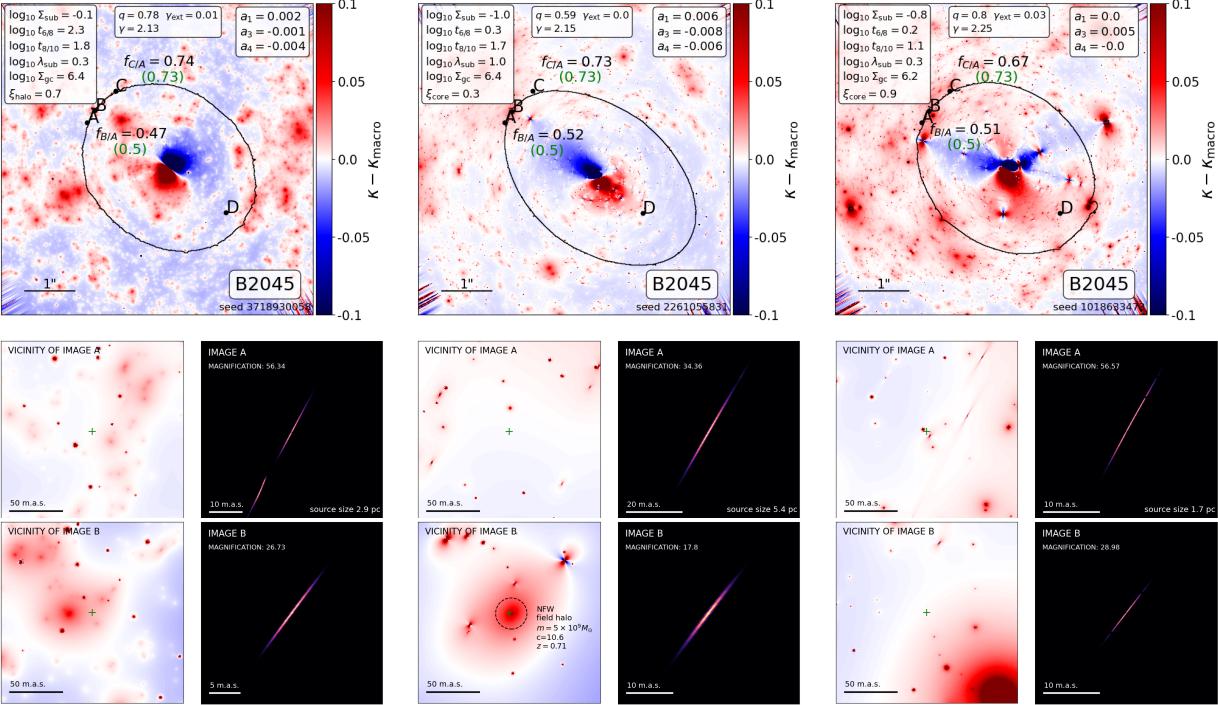
Researchers used the James Webb Space Telescope to test the self-interacting dark matter hypothesis by analyzing gravitational lensing effects on 29 distant quasars.

Researchers used the James Webb Space Telescope to test the self-interacting dark matter hypothesis by analyzing gravitational lensing effects on 29 distant quasars.

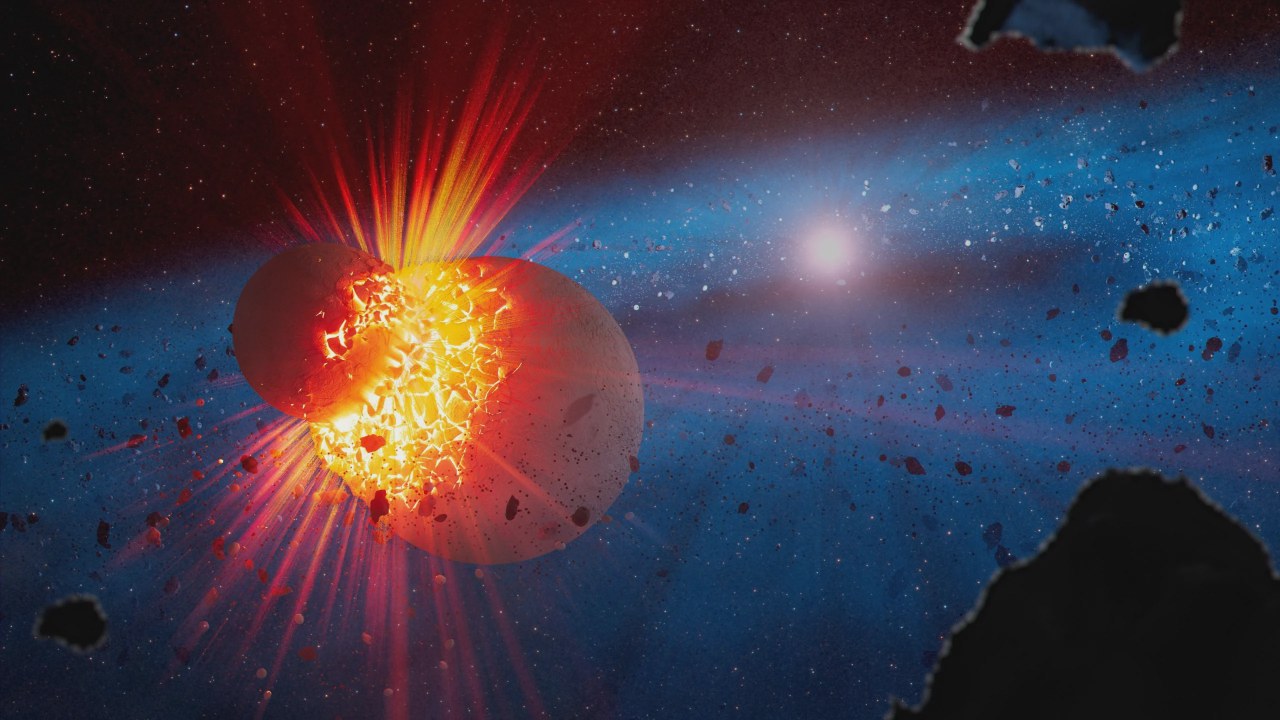
Researchers used the James Webb Space Telescope to analyze 21 extreme debris disks, identifying mineral signatures that reveal the history of planetary collisions in young stellar systems.

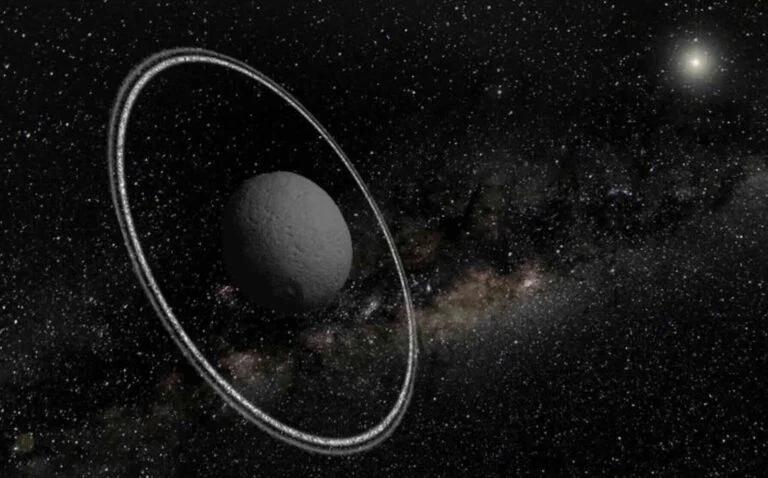
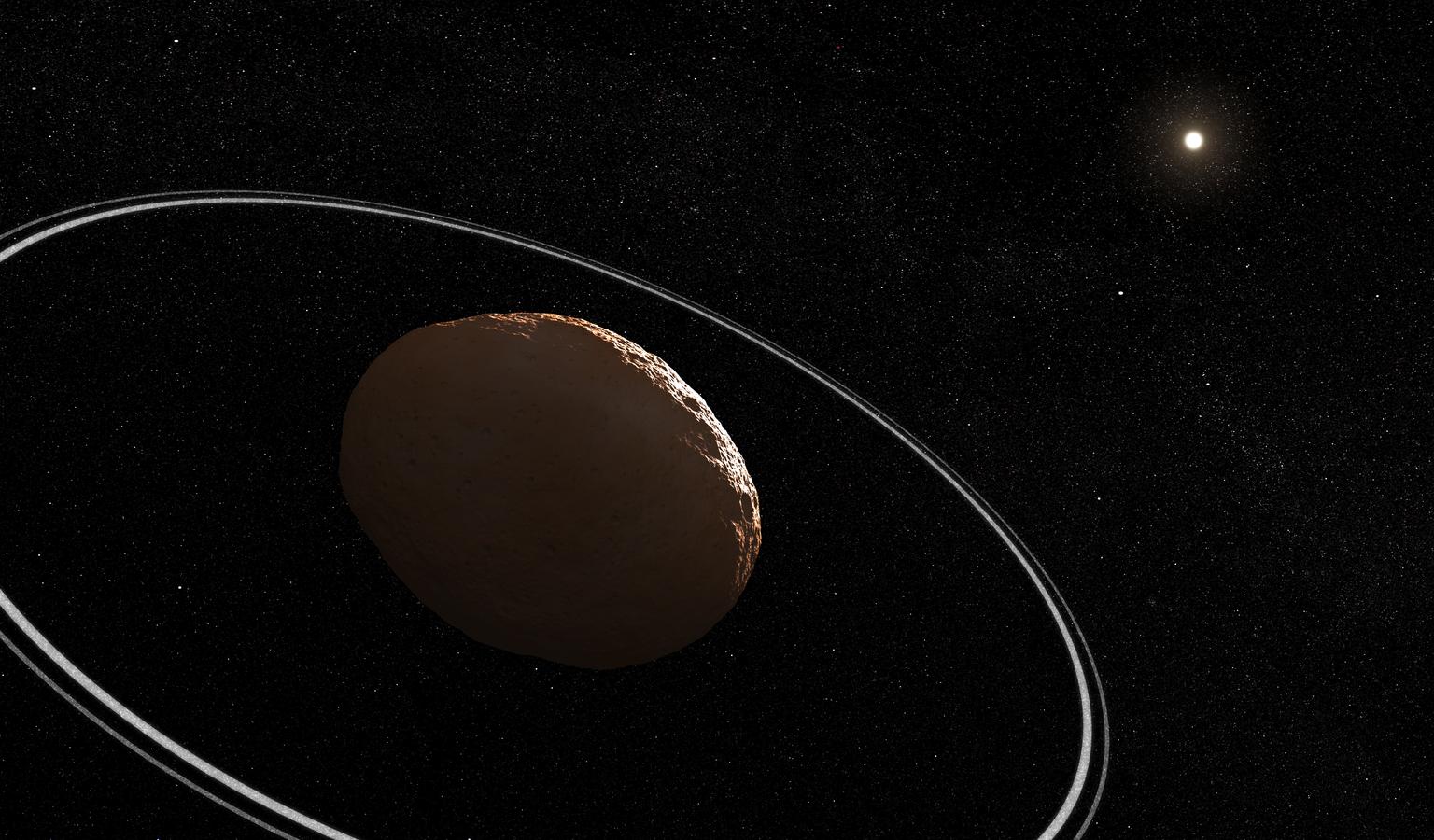
The James Webb Space Telescope has detected unexpected changes in the ring system of the minor body Chariklo, revealing complex dynamics in a small solar system object.

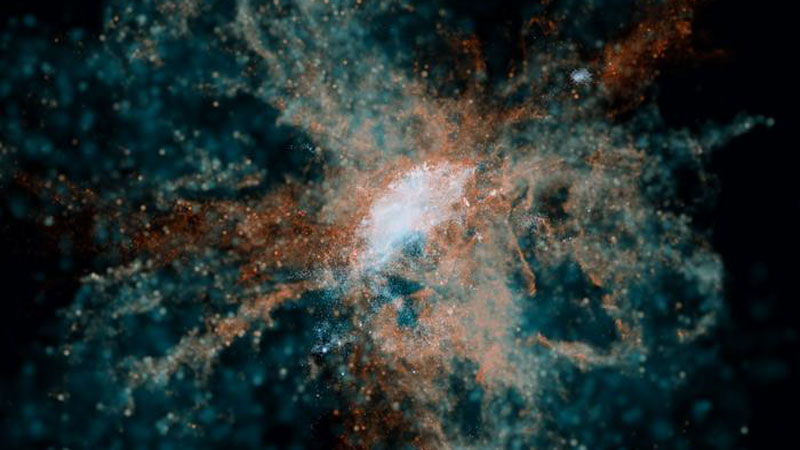
Observations from the James Webb Space Telescope reveal that early galaxies were already enriched with heavy elements 500 million years after the Big Bang, complicating the search for the first stars.

The James Webb Space Telescope has documented the first direct evidence of ring evolution on the centaur Chariklo, revealing significant structural changes in its ring system.

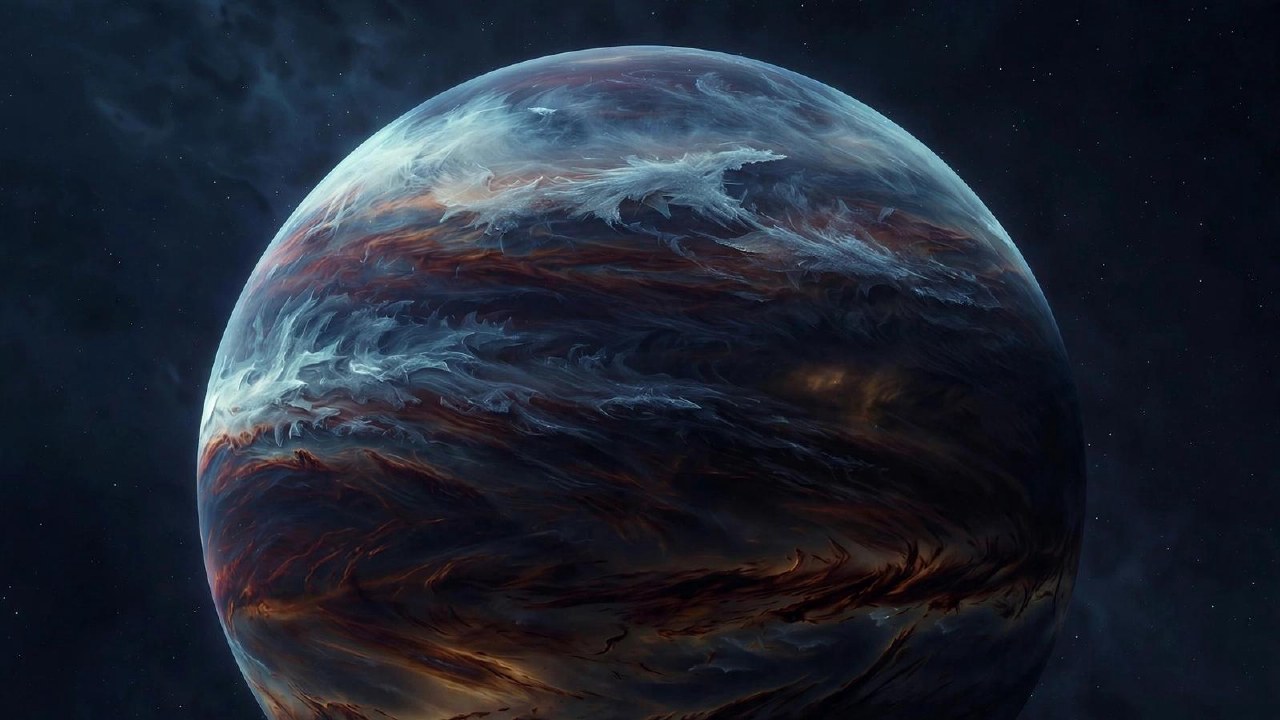
The James Webb Space Telescope has mapped the turbulent atmosphere of the cold brown dwarf WISE 0855, revealing complex weather patterns and jet streams.

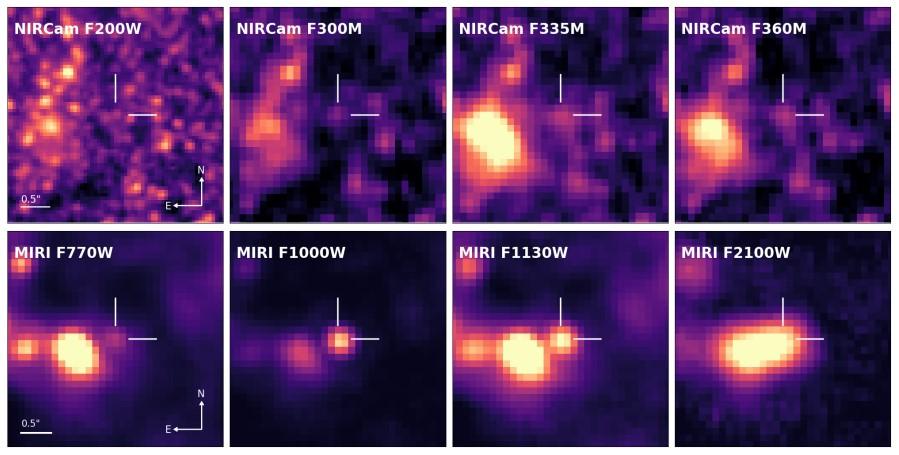
The James Webb Space Telescope has identified a massive, ancient dust reservoir surrounding the SN 1983V supernova, providing new insights into post-explosion environments.