Anbernic Faces Potential US Market Ban Over Piracy Allegations
The Entertainment Software Association has requested that the USTR blacklist Anbernic for distributing unauthorized game copies, potentially blocking the company from the US market.

The Entertainment Software Association has requested that the USTR blacklist Anbernic for distributing unauthorized game copies, potentially blocking the company from the US market.

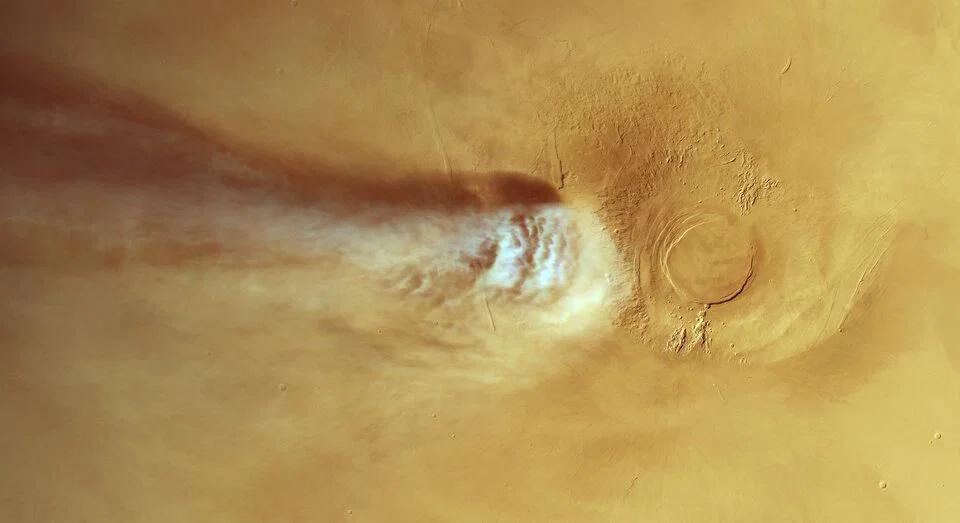
Researchers have identified that a recurring 1,800-kilometer cloud on Mars forms through homogeneous nucleation, a theoretical physical process previously unobserved in nature.

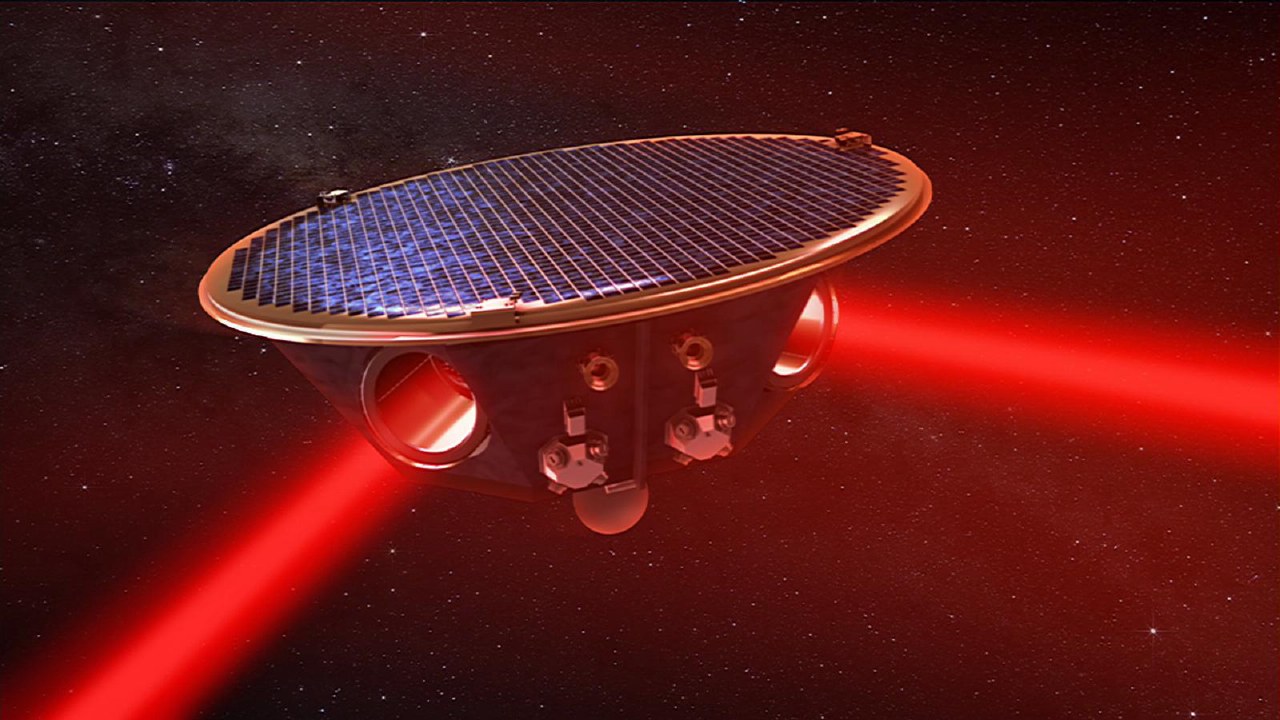
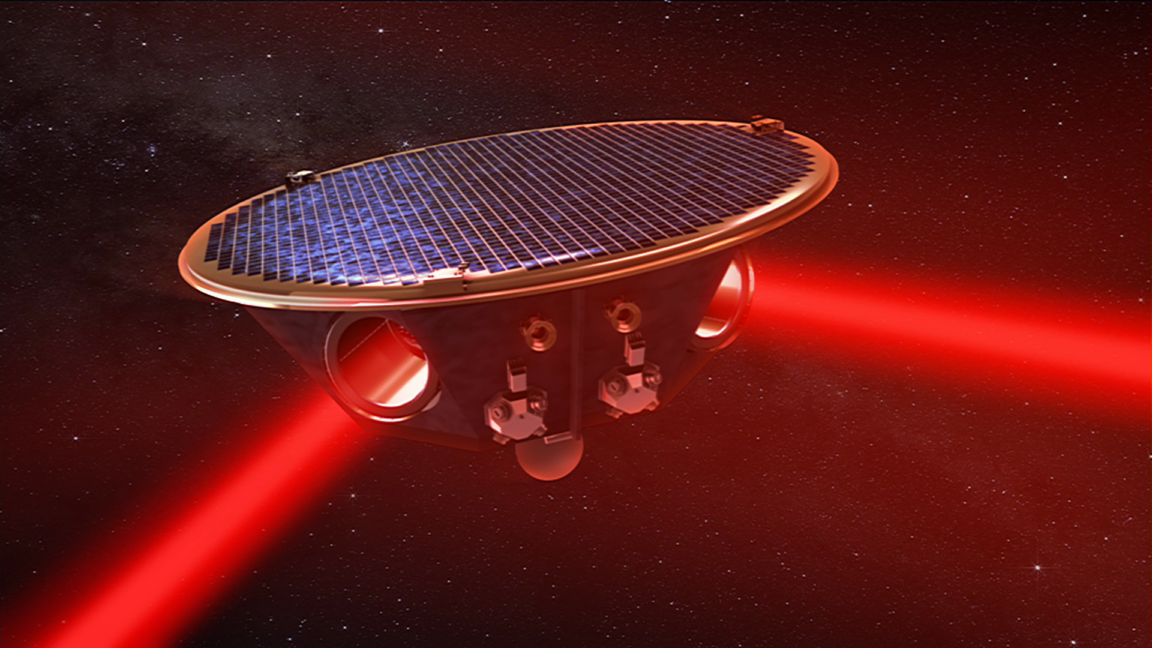
The LISA gravitational wave detector project has secured its 2026 funding and remains on schedule for a 2035 launch despite previous political attempts to cancel US participation.

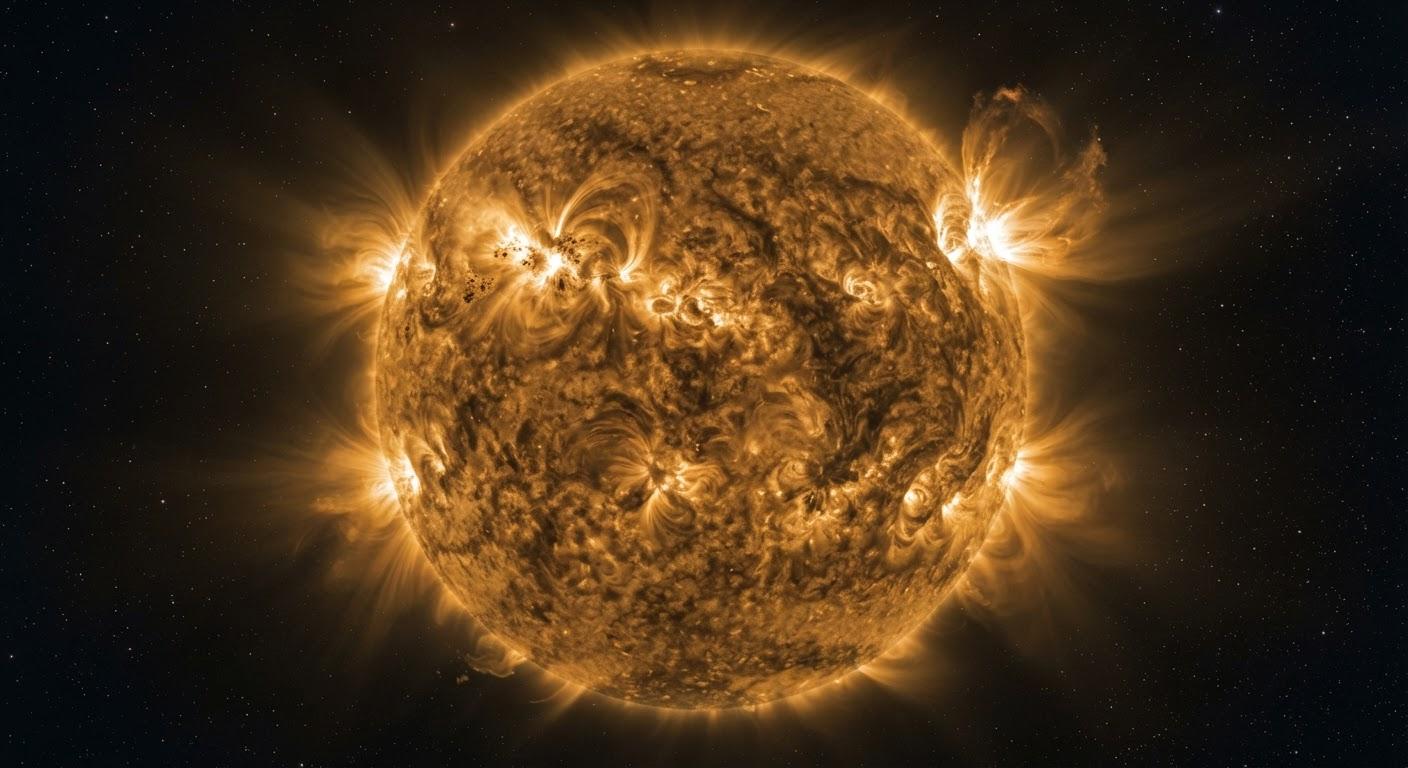
The Solar Orbiter probe has identified that magnetic switchbacks in the solar wind are formed by a combination of magnetic reconnection and turbulence.

NASA continues to pursue international science partnerships, including the LISA gravitational wave observatory, despite budget pressures and White House attempts to cancel specific mission funding.

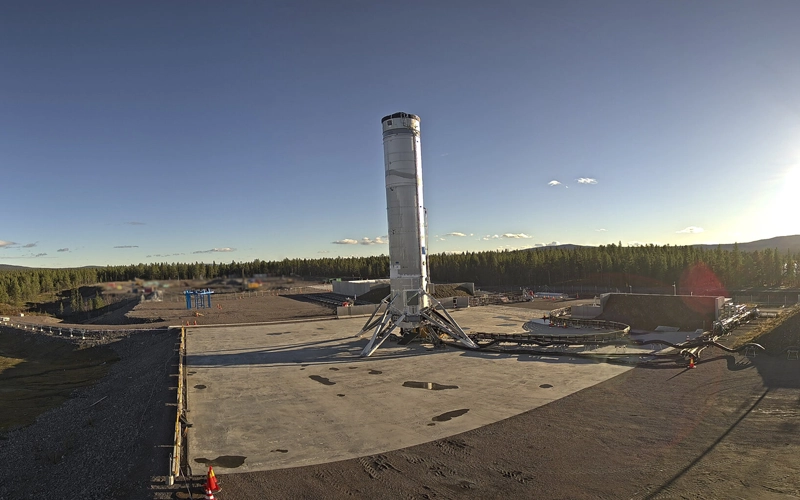
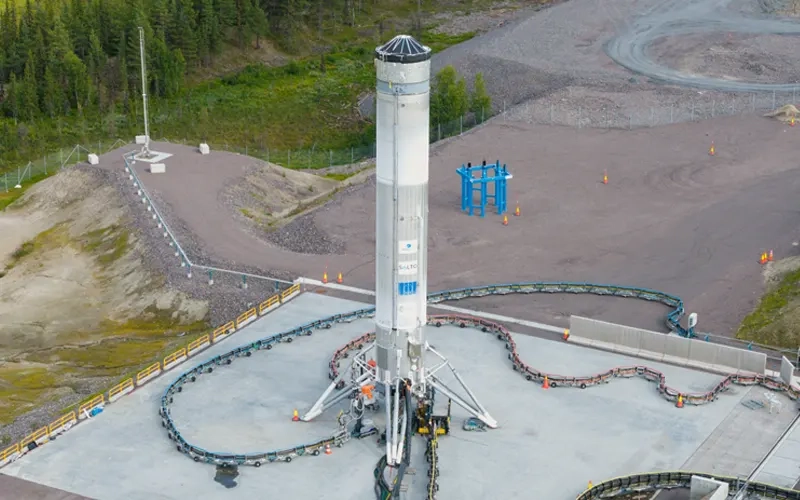
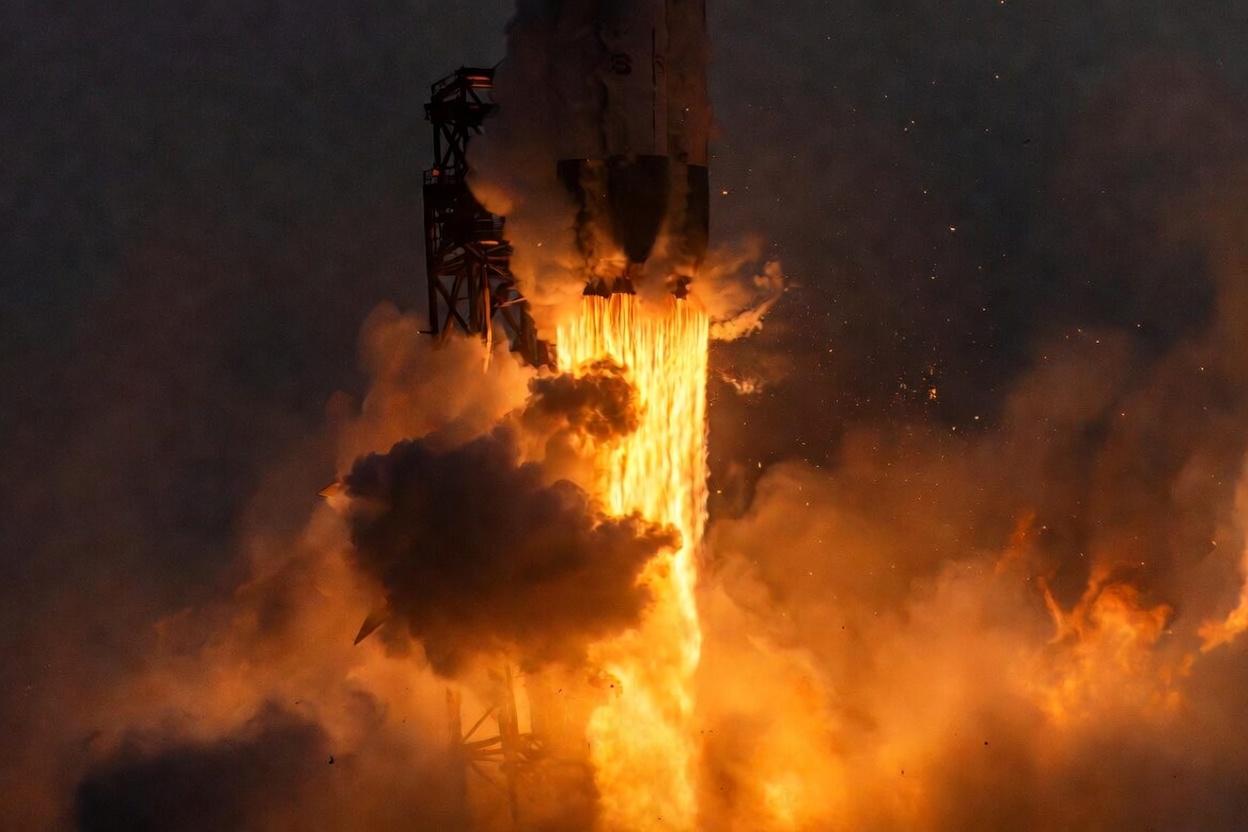
ArianeGroup has completed the second wet dress rehearsal for its Themis reusable rocket demonstrator at the Esrange facility in Sweden.

The European Commission has extended the SALTO reusable launcher project deadline to the end of 2026, granting more time for the Themis rocket's first hop test.

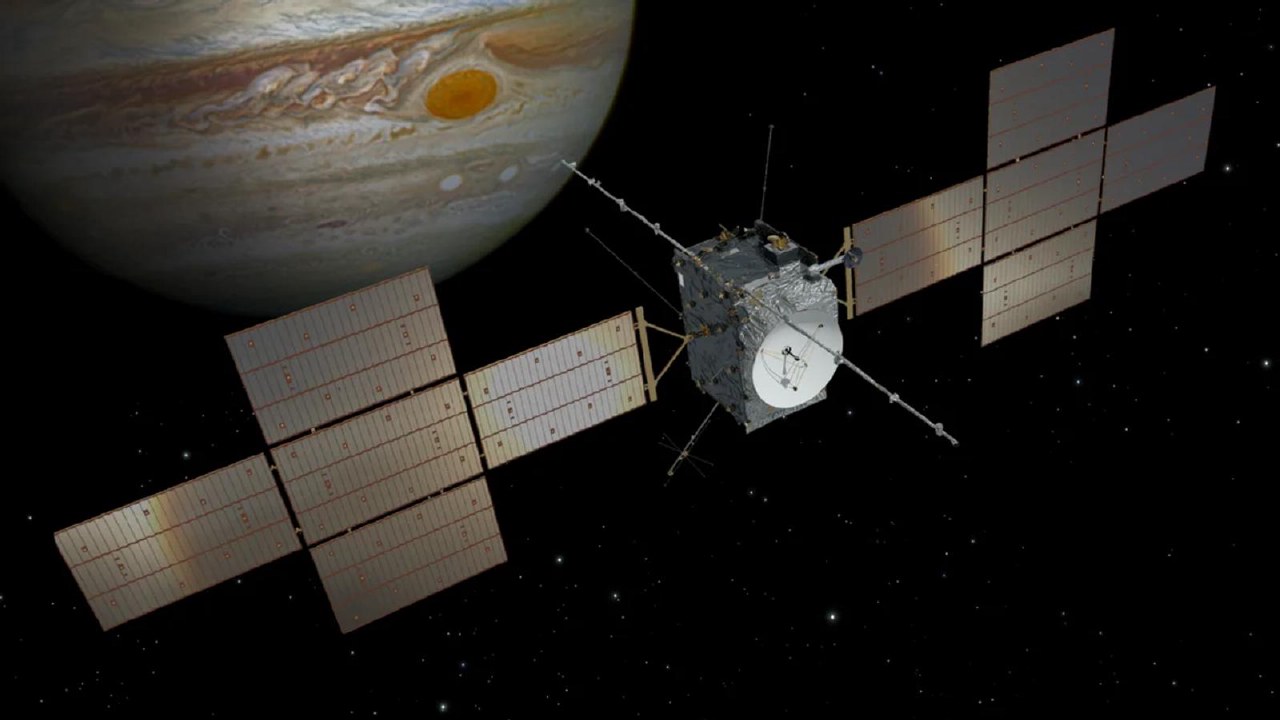
The ESA JUICE probe successfully utilized an Earth gravity assist to increase its speed by 3.5 kilometers per second on its way to Jupiter.

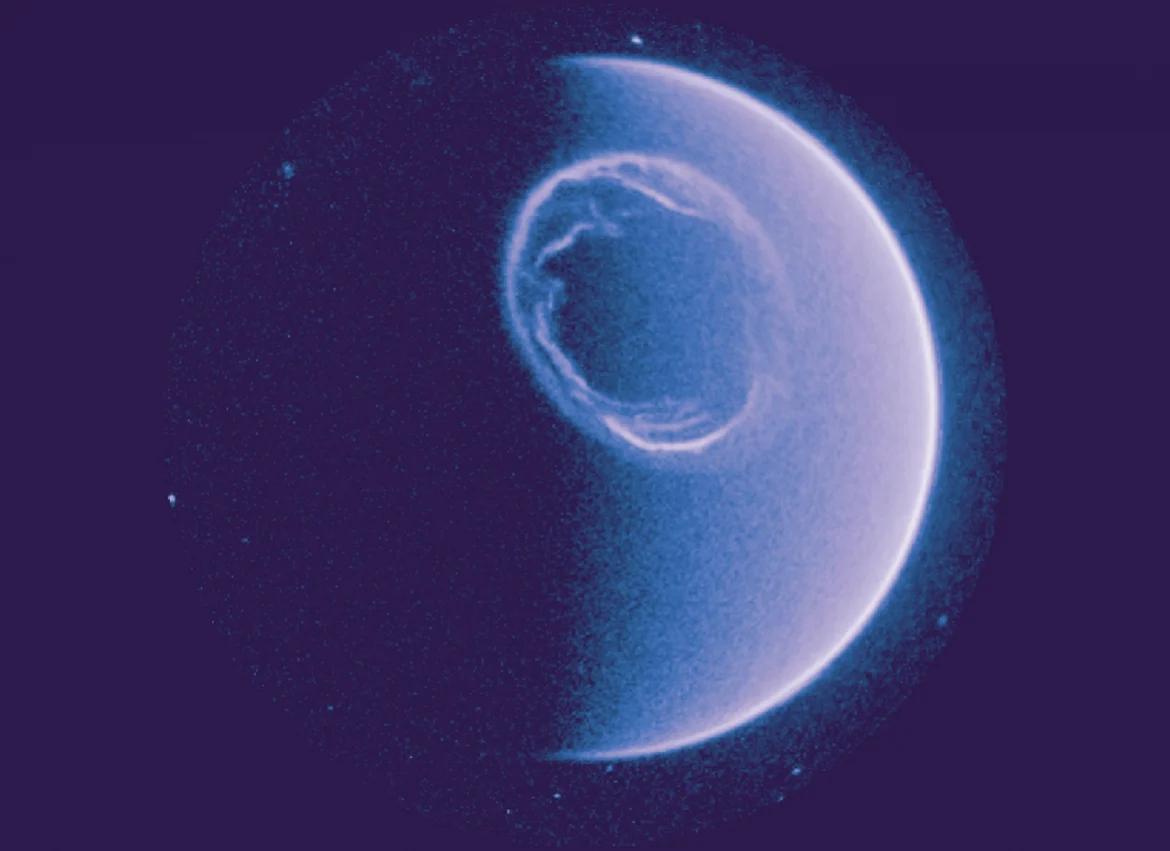
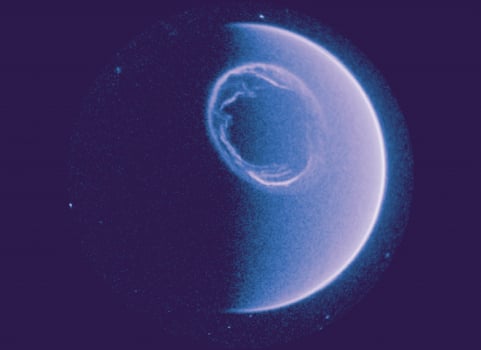
The joint ESA and CAS SMILE mission has successfully recorded a full daytime auroral oval, providing new data on solar wind interactions with Earth's magnetosphere.
The joint ESA and Chinese Academy of Sciences SMILE mission has begun operations, capturing its first full ultraviolet image of polar auroras since 2008.

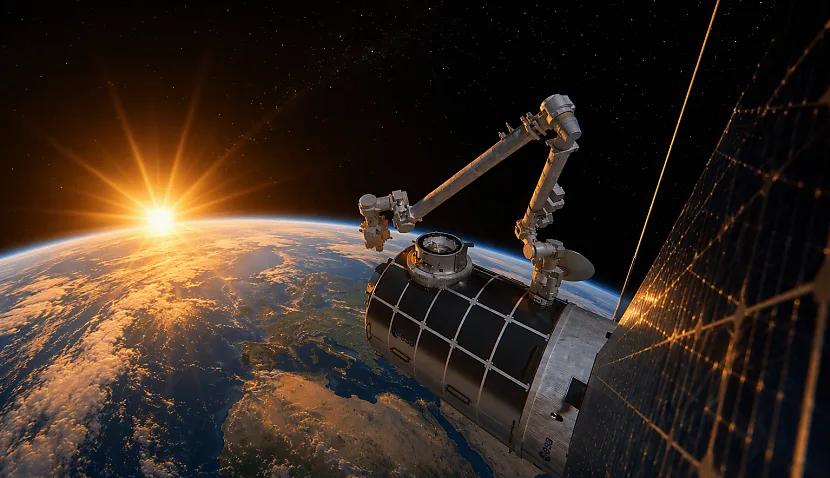
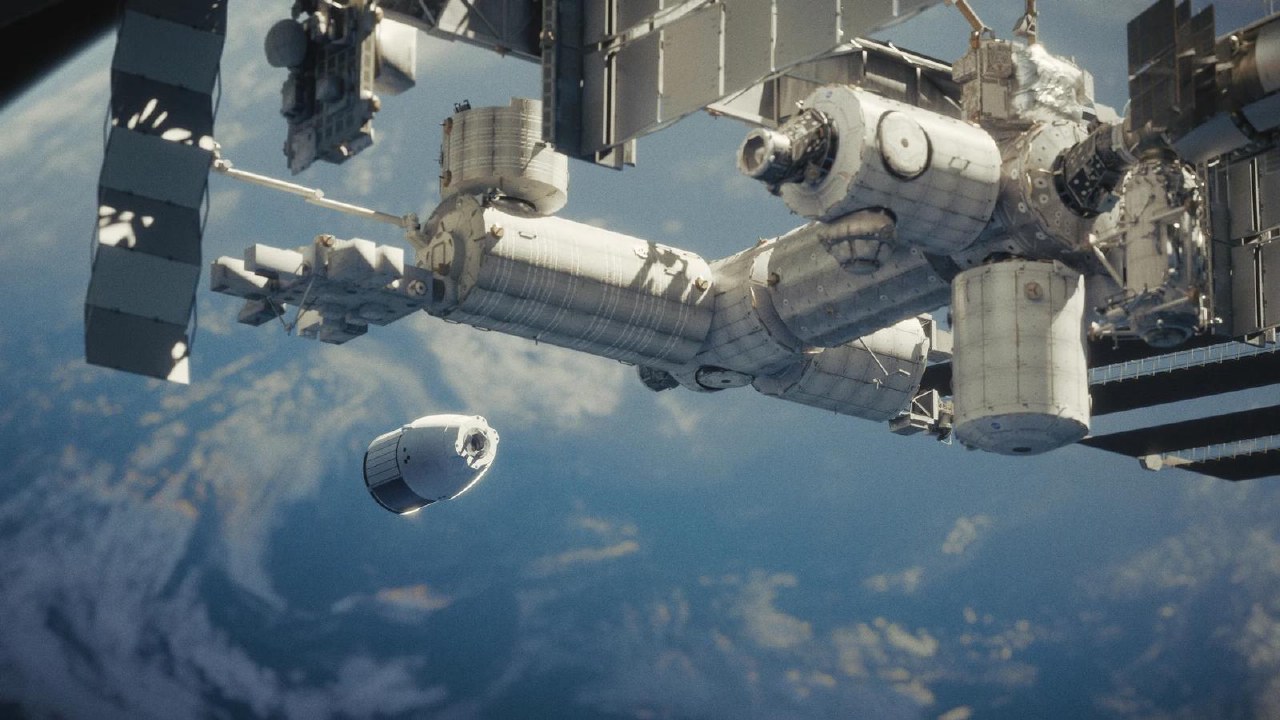
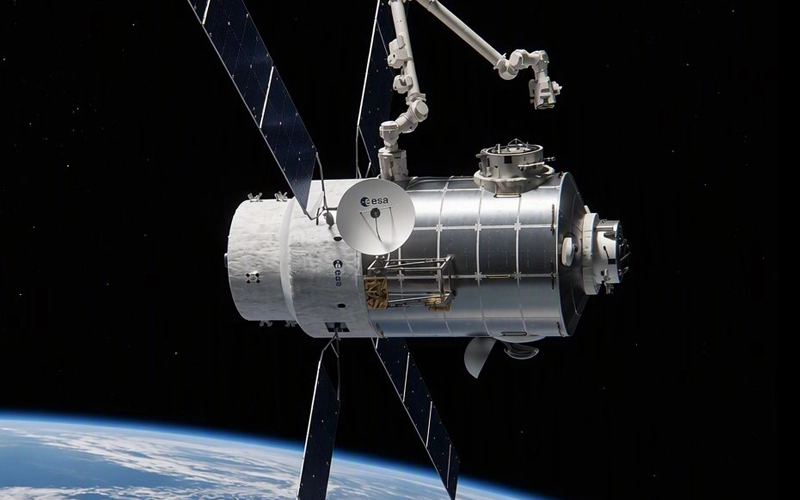
ESA has commissioned two nine-month studies to evaluate the feasibility of building a European orbital station to succeed the International Space Station.

The joint ESA and CAS SMILE mission has officially begun its three-year scientific study of Earth's magnetosphere following a successful launch and commissioning phase.

The European Space Agency is developing plans for an independent orbital station and expanding its launch capabilities to reduce reliance on international partners by 2030.

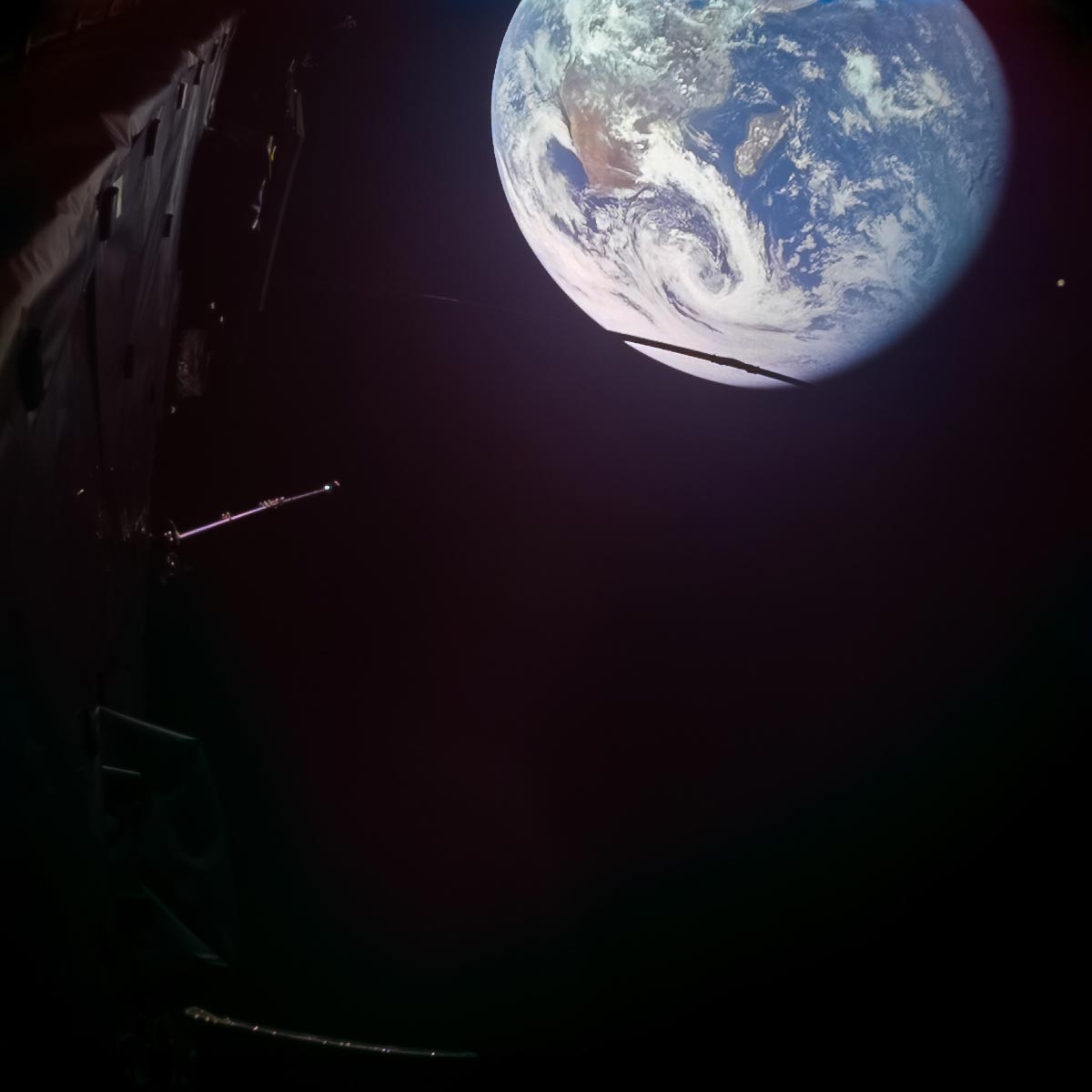
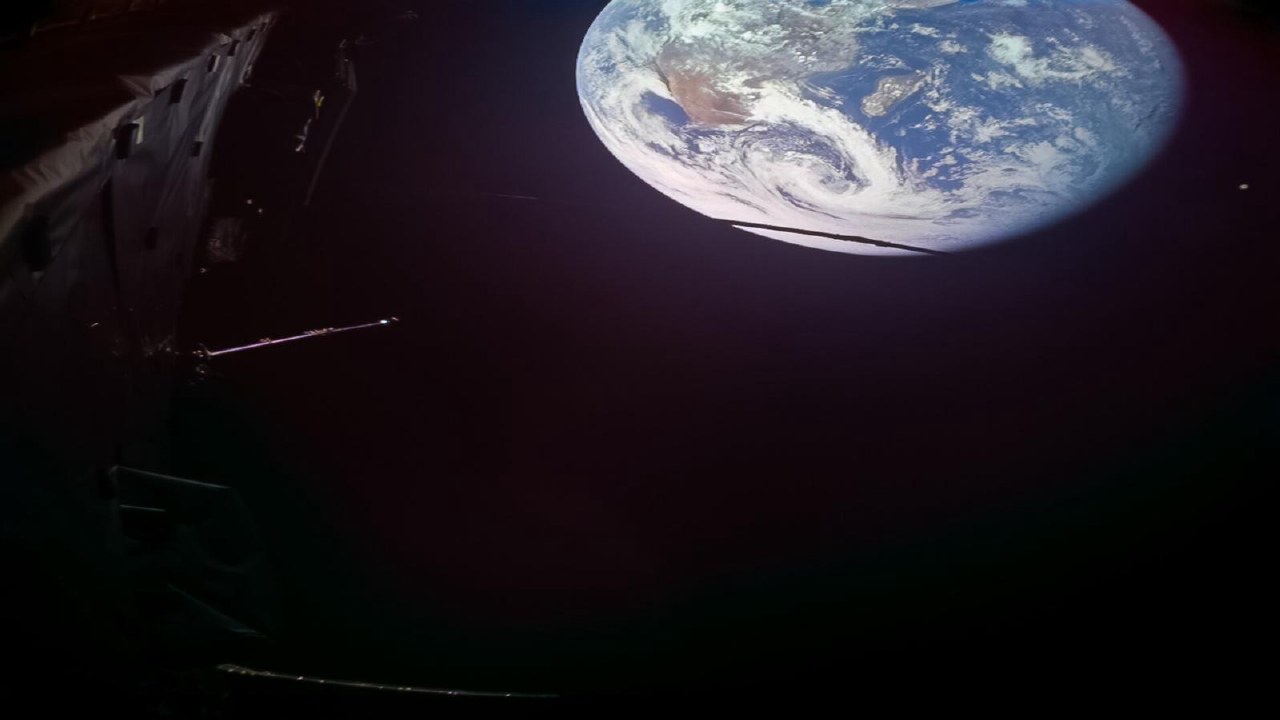
ESA has released a film featuring footage of Earth captured by the Juice probe during its recent flyby, as the spacecraft continues its journey toward Jupiter.

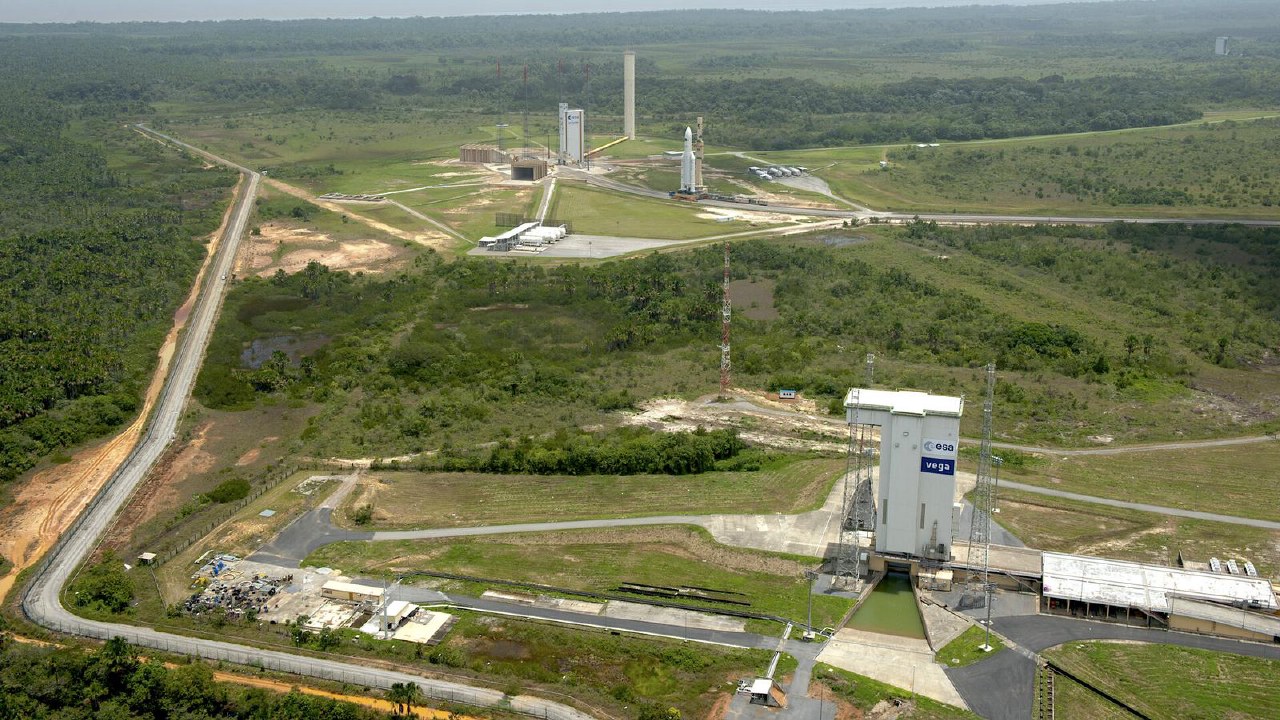
PLD Space and CNES are evaluating the construction of a second launch site at the Kourou spaceport to support the Miura 5 and Miura 9 rocket programs.

The European Space Agency and Mistral AI have formed a partnership to integrate artificial intelligence models into future space missions and operational workflows.

ESA has commissioned Airbus and OHB to conduct feasibility studies for a European-led space station, with development costs capped at €1 billion per three-year period.

The Juice probe successfully completed a gravity assist maneuver near Earth, gaining speed and testing scientific instruments ahead of its 2031 arrival at Jupiter.

The JUICE probe is performing a gravity assist maneuver near Earth to accelerate toward Jupiter for its 2031 arrival.

The European Union plans to increase its annual orbital launch capacity to 62 missions by 2034 to support satellite programs, while the US targets 10,000 launches by 2035.