

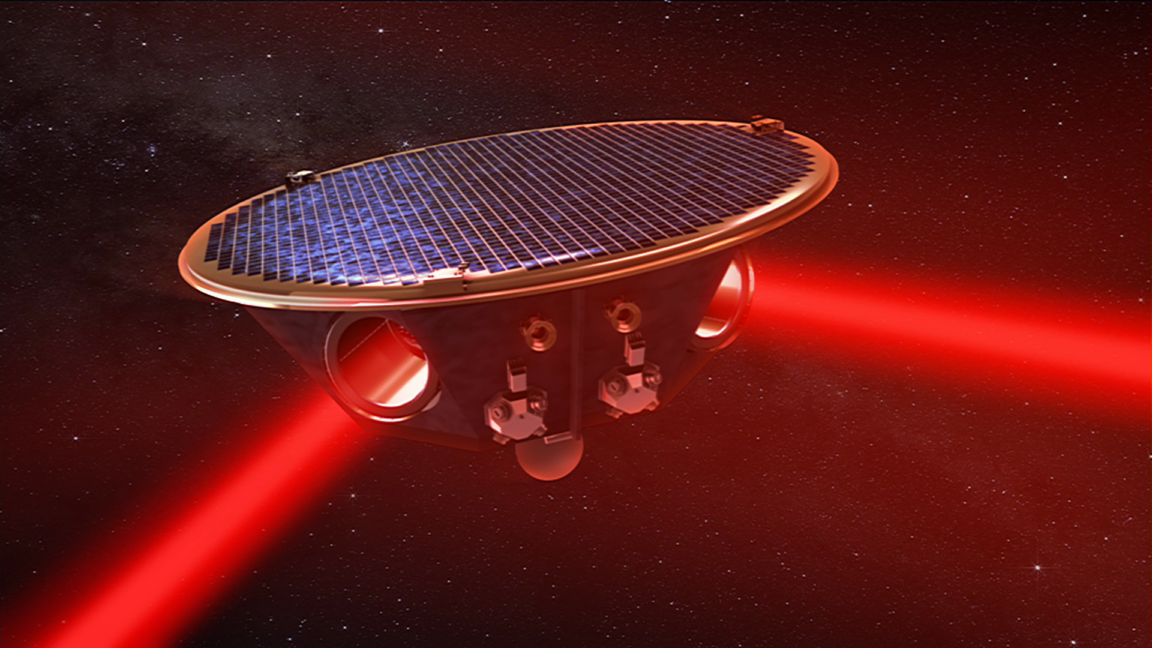
NASA is collaborating with the European Space Agency on the Laser Interferometer Space Antenna (LISA), a space-based observatory designed to detect gravitational waves. The mission, scheduled for launch around 2035, will feature three spacecraft in a triangle formation separated by 2.5 million kilometers. ESA will lead the project, while NASA provides laser transmitters, telescopes, and charge management hardware.
The US contribution to LISA is estimated at $1 billion, representing roughly one-third of the total mission cost. While the White House proposed canceling NASA's participation in its 2027 budget request, Congress restored funding for fiscal year 2026. NASA officials emphasize that the partnership allows the US to access all scientific data for a fraction of the cost of an independent mission.
Beyond LISA, NASA is supporting the Rosalind Franklin Mars rover mission, which is set to launch on a SpaceX rocket in 2028. The agency also remains engaged with ESA on the New Athena X-ray observatory project. However, the future of NASA's involvement in the Envision mission to Venus remains uncertain, as ESA has begun developing its own radar mapping instrument for the orbiter.
NASA Administrator Jared Isaacman has stated that international partners must provide meaningful contributions to joint missions with greater urgency. This shift follows the cancellation of the Mars Sample Return mission, which exceeded a budget of $10 billion, and the Lunar Gateway project, as the agency prioritizes a Moon Base near the lunar south pole.



