

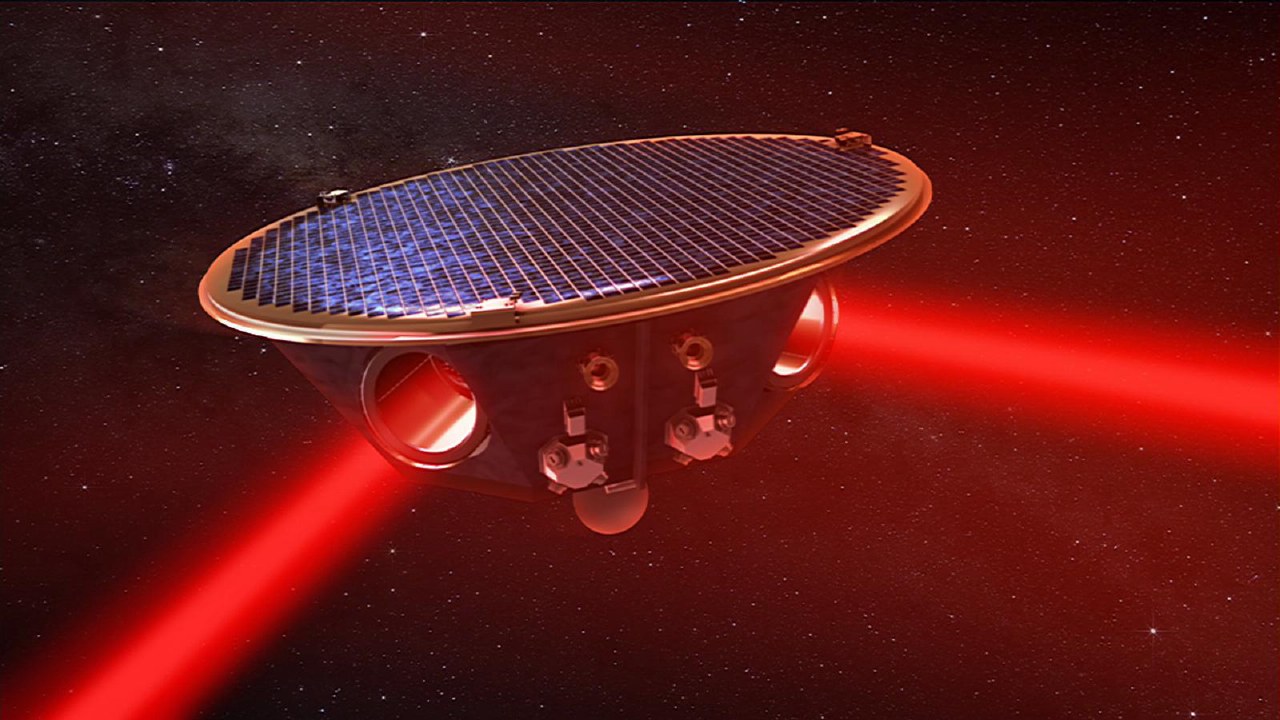
The LISA mission, designed as the first space-based gravitational wave detector, is scheduled for launch in 2035. The project involves three spacecraft forming a triangle with 2.5 million km sides on a heliocentric orbit. These units will use laser interferometers to measure spacetime fluctuations caused by supermassive black hole mergers and early universe events.
The spacecraft will house gold-platinum cubes within Faraday cages to isolate them from non-gravitational forces. NASA provides laser transmitters, telescopes, and charge management systems, while the European Space Agency handles construction, launch, and operations. NASA covers approximately one-third of the total cost, estimated at $1 billion for the agency.
Despite proposals from the White House to cancel US participation in 2025 and 2026, Congress has consistently restored funding. The project currently has a dedicated line in the 2026 fiscal budget. NASA officials confirm that current funding levels are sufficient to meet international commitments to ESA, ensuring the project remains on track for its launch date.
The status of international partnerships remains a priority for NASA leadership. While the Envision mission to Venus will now be developed by ESA independently, the New Athena X-ray observatory continues its collaboration with the US. NASA head Jared Isaacman emphasized that international partners are expected to provide significant and timely contributions to joint scientific efforts.



