Data Centers Utilize Underground Rock Formations for Thermal Energy Storage
Engineers are repurposing underground rock formations as thermal batteries to store waste heat from data centers, providing a sustainable solution for building heating.

Engineers are repurposing underground rock formations as thermal batteries to store waste heat from data centers, providing a sustainable solution for building heating.

Amazon is investing over $1 billion in community initiatives, including energy-efficiency upgrades for 30,000 homes and educational support for 300,000 students.

Efficient Computer has raised over $97 million in Series B funding at a $650 million valuation to scale production of its energy-efficient Electron E1 processor.

Deep Green has raised £200 million to expand its modular, heat-reusing data center infrastructure across the UK, Europe, and North America.

The European Commission has proposed a mandatory disclosure system for data center energy and water efficiency to manage resource consumption amid rapid infrastructure expansion.

The European Commission has unveiled a new rating system for data center efficiency, with mandatory minimum standards expected to follow by 2027.

Researchers at the University of Groningen have discovered that a tin-based material can slow electron cooling by 1000 times, potentially exceeding the 33 percent solar efficiency limit.

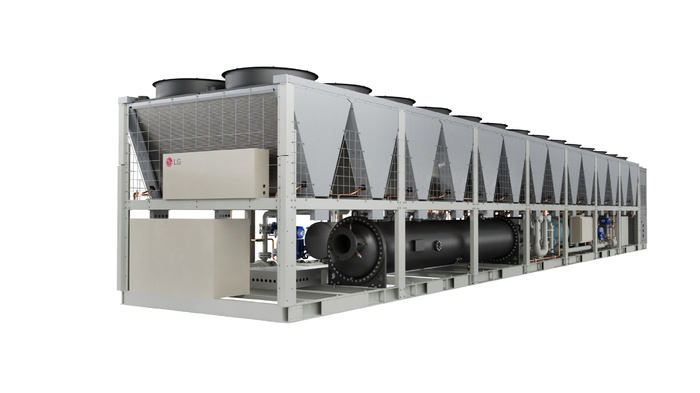
LG Electronics has launched an oil-free centrifugal chiller for AI data centers that reduces annual energy consumption by 30 percent through advanced cooling and magnetic bearing technology.

Nvidia has unveiled the DSX MaxLPS power scheduling system, which boosts AI factory token throughput per megawatt by up to 40% while optimizing power consumption.

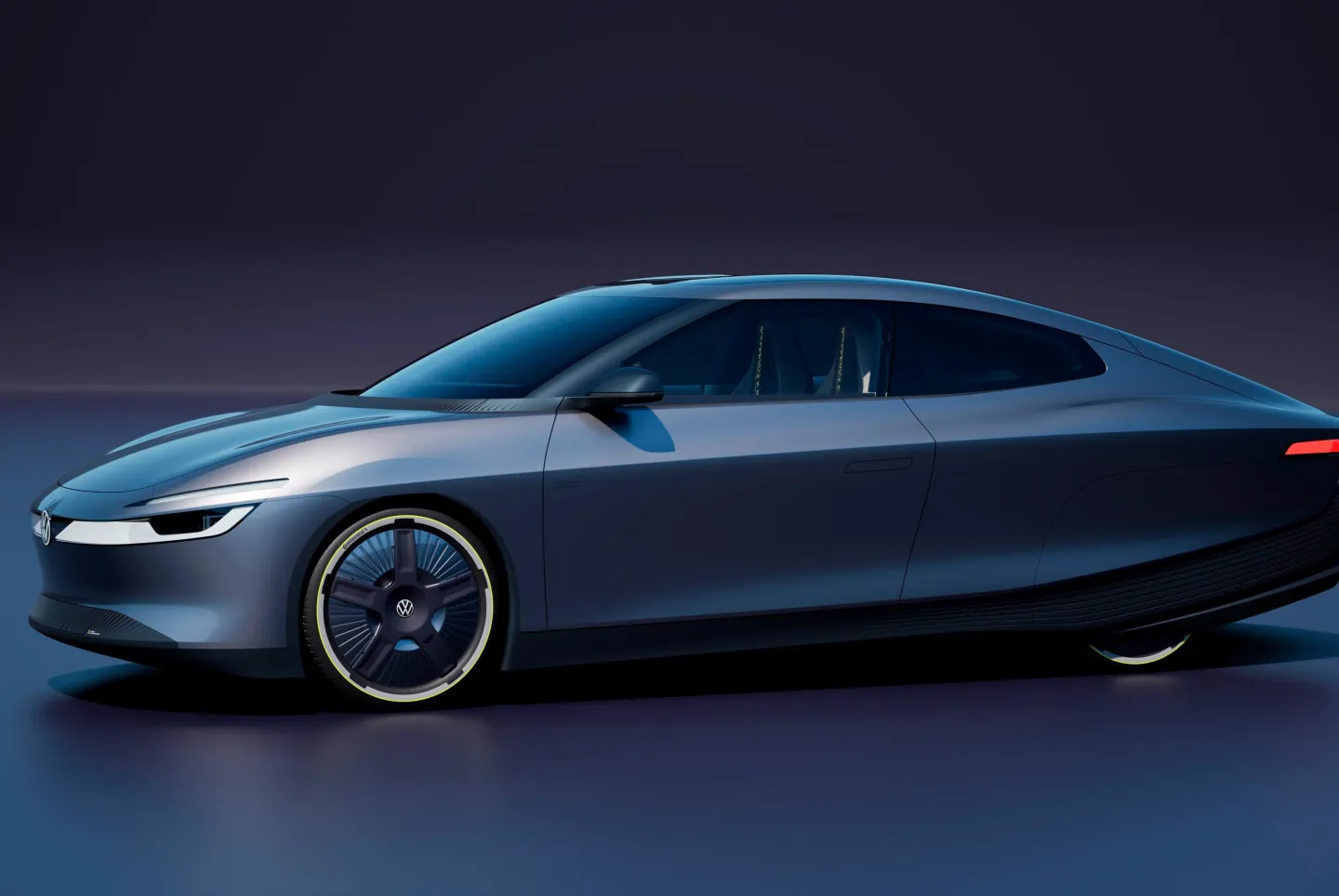
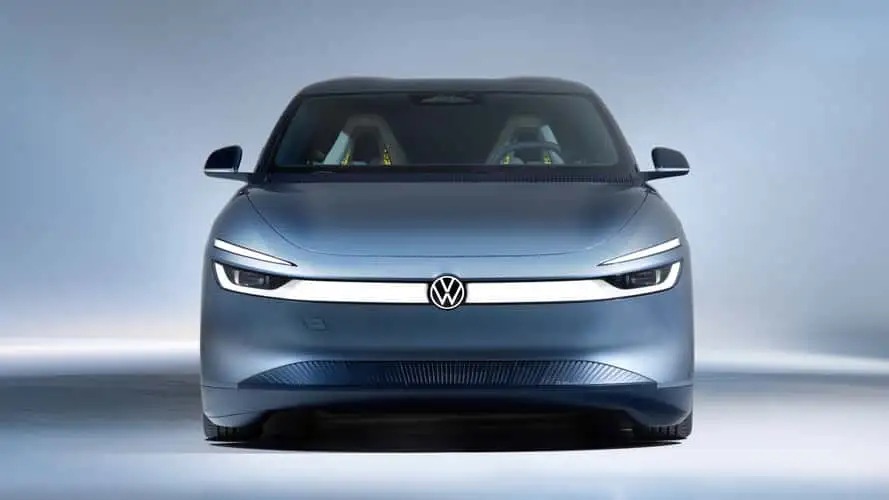
Volkswagen's Mission Efficiency prototype achieves a record 0.158 drag coefficient and covers over 1,200 kilometers on a single charge.

Volkswagen has introduced the Mission Efficiency concept, an electric vehicle designed for maximum energy efficiency, achieving a consumption rate of 6.89 kWh per 100 km.

California has adopted the nation's first efficiency standards for replacement tires, aiming to save consumers $1 billion annually while reducing vehicle emissions.

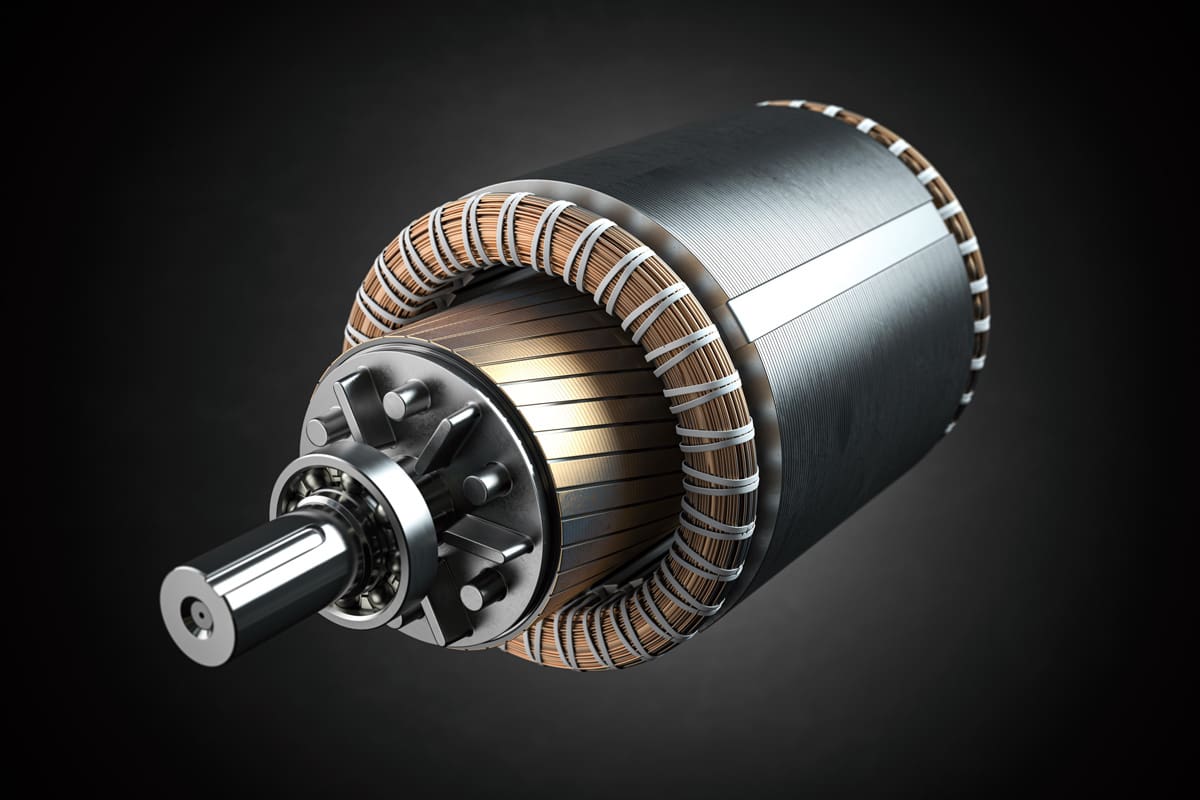
EU-funded researchers have used 3D printing to create electric motor components from metallic glass to increase efficiency and reduce reliance on critical raw materials.