

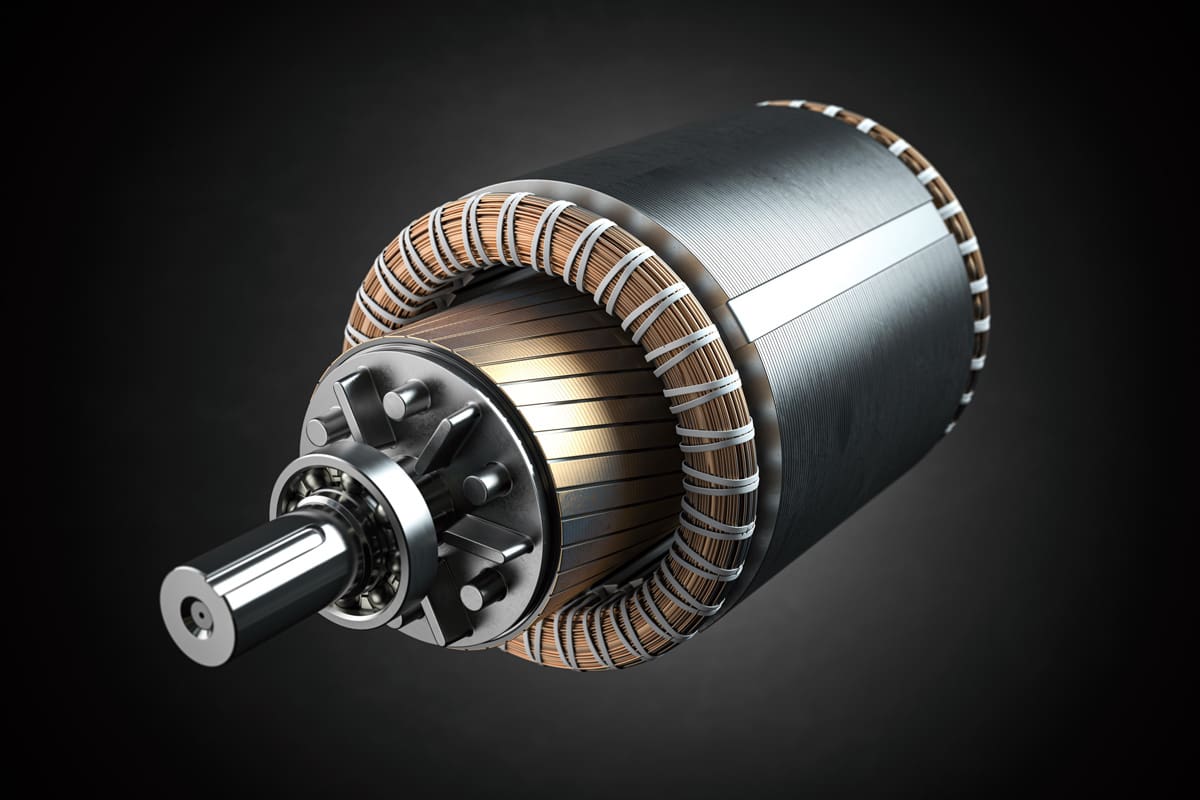
The AM2SoftMag project, coordinated by Saarland University in Germany, concluded in February 2026. The four-year initiative focused on using laser-based additive manufacturing to create electric motor components from metallic glass, an alloy with a disordered atomic structure.
Researchers at the IMDEA Materials Institute in Madrid developed a printing process that controls the cooling of microscopic layers. To maintain the disordered structure and prevent crystallization, the liquid alloy must be cooled at a rate of approximately one million degrees Celsius per second.
The European Commission estimates that electric motors consumed over 50% of all electricity in the EU in 2020. Implementing Ecodesign rules to improve efficiency is expected to save around 106 TWh annually by 2030 and reduce energy bills by approximately €20 billion per year.
The project team aims for efficiency gains of up to 5% in certain applications. Such improvements would allow electric vehicles, drones, and battery-powered tools to operate longer using smaller batteries.
The researchers also developed cobalt-free metallic glass alloys to reduce reliance on critical raw materials. Future motor designs using these soft magnetic materials may further decrease Europe's dependence on rare earth elements used in permanent magnets.


