Diamondiyne: A New Carbon Allotrope Synthesized After 35 Years
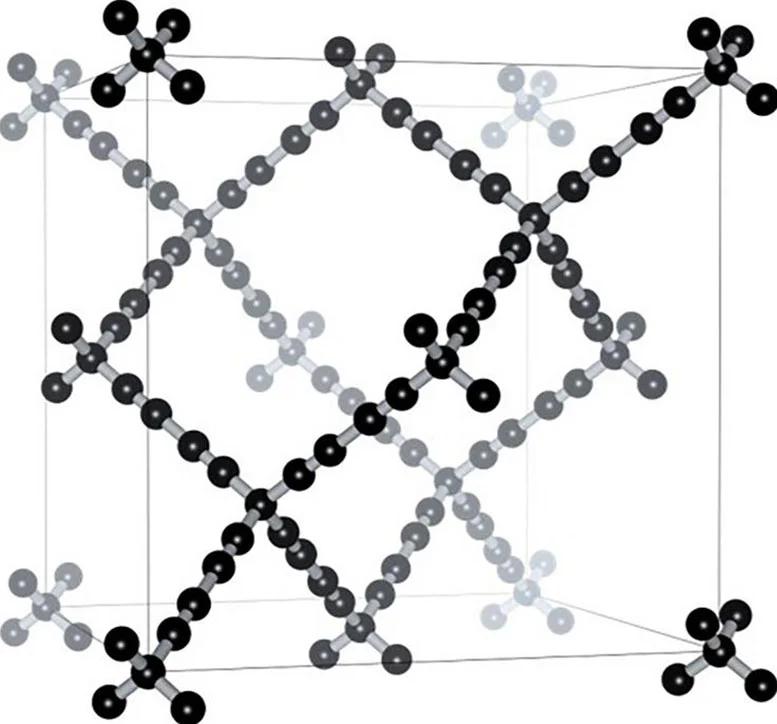
Scientists at the University of Gothenburg have synthesized Diamondiyne, a new carbon allotrope that has remained a theoretical concept for 35 years.

Scientists at the University of Gothenburg have synthesized Diamondiyne, a new carbon allotrope that has remained a theoretical concept for 35 years.

A chemistry researcher demonstrates how free AI models can derive new scientific concepts and complex mathematical equations, challenging existing theoretical limitations.

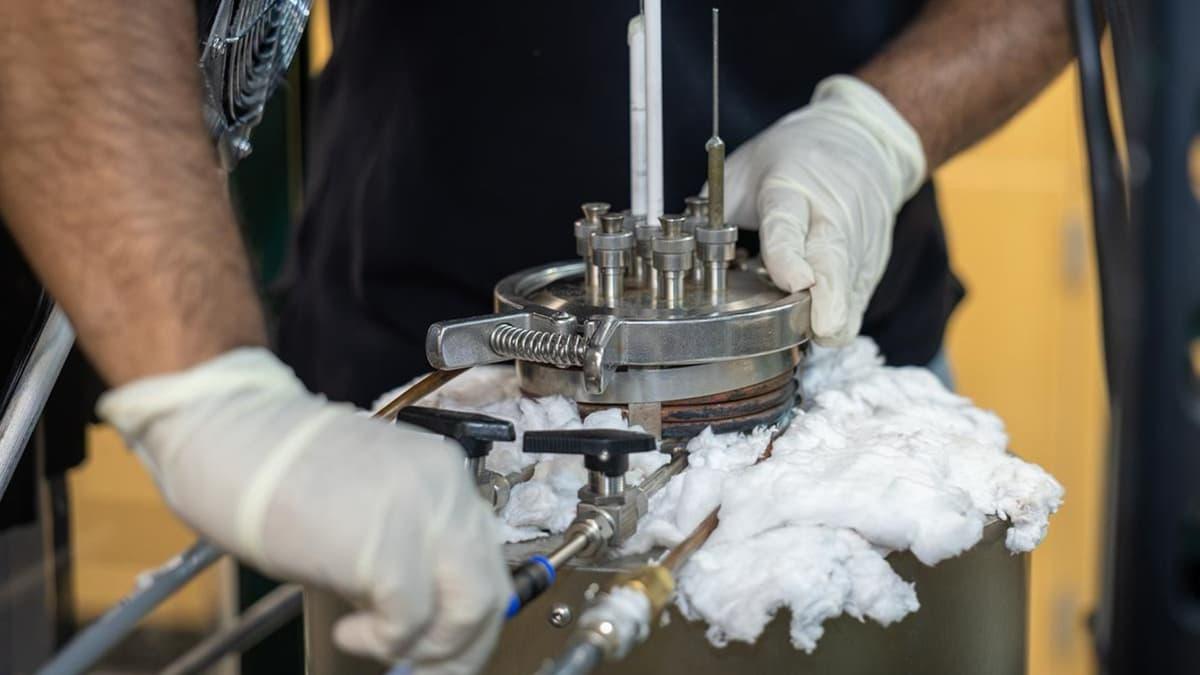
The US Department of Energy has granted $1 million to a research team to develop methods for protecting advanced nuclear reactors from chemical corrosion caused by fission byproducts.

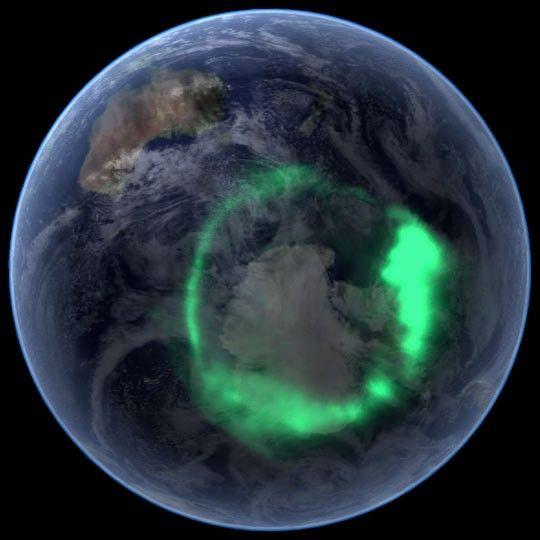
Kyoto University researchers suggest that Earth's ancient magnetic field concentrated charged particles at the poles, creating localized zones for early chemical evolution.

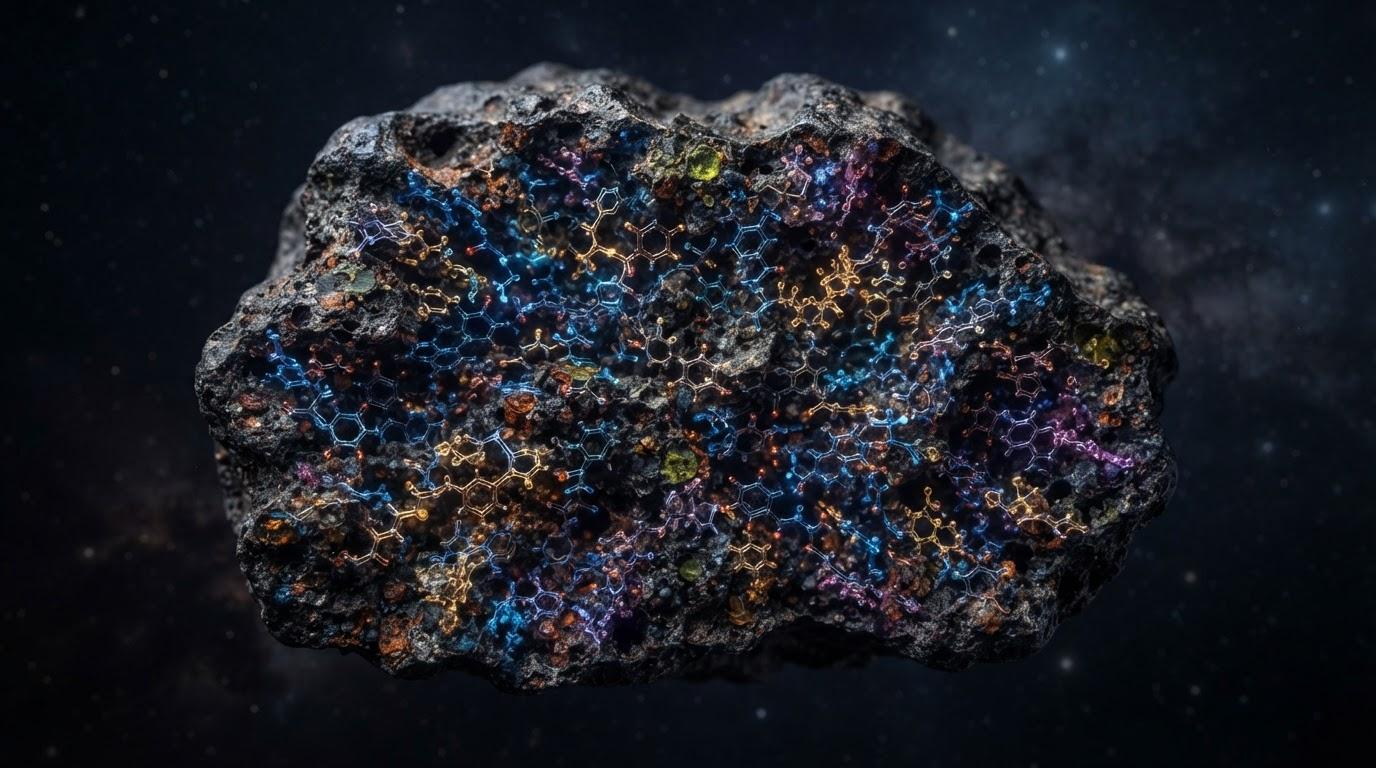
Scientists have identified tens of thousands of molecular compositions in two carbon-rich meteorites using advanced mass spectrometry and atomic force microscopy.

Researchers have successfully modeled the complex nitrogenase enzyme using classical computers, challenging the necessity of quantum systems for biochemical simulations.

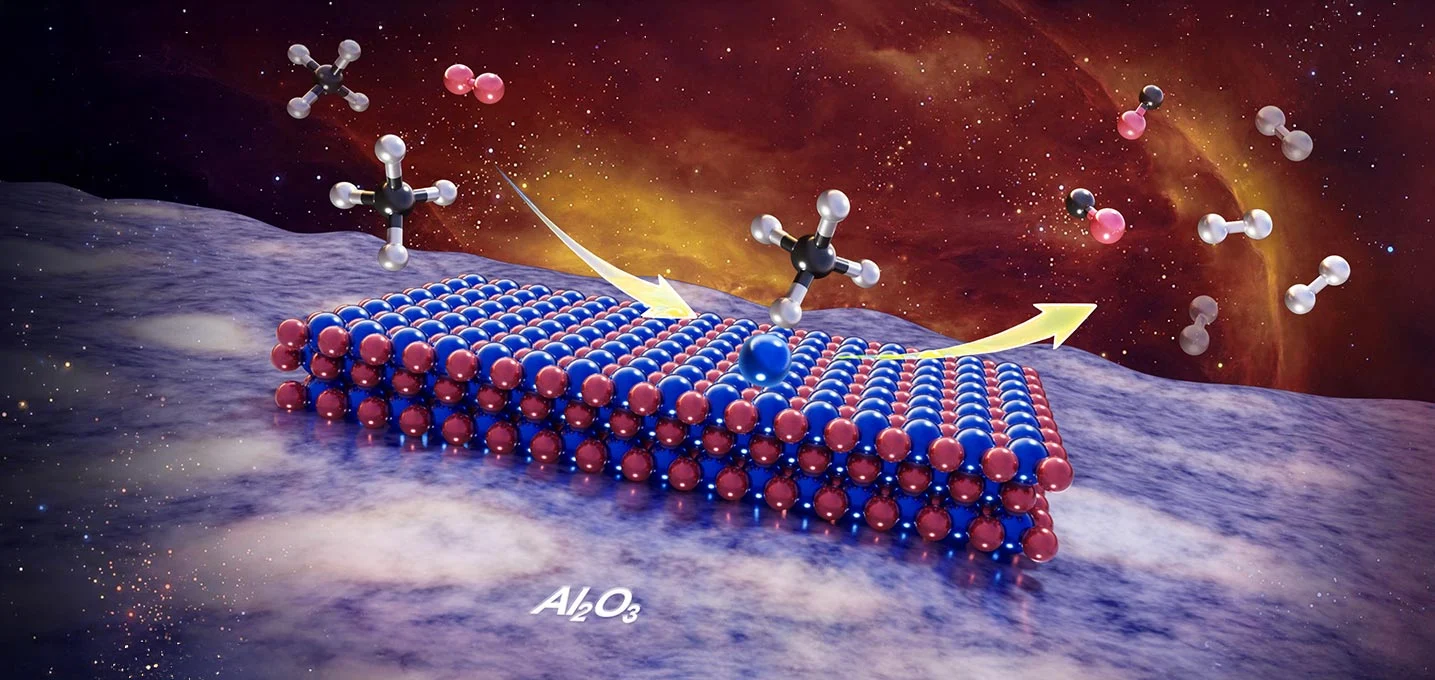
A new study reveals that nickel catalysts dynamically restructure during methane partial oxidation, potentially allowing for a tenfold reduction in nickel usage.

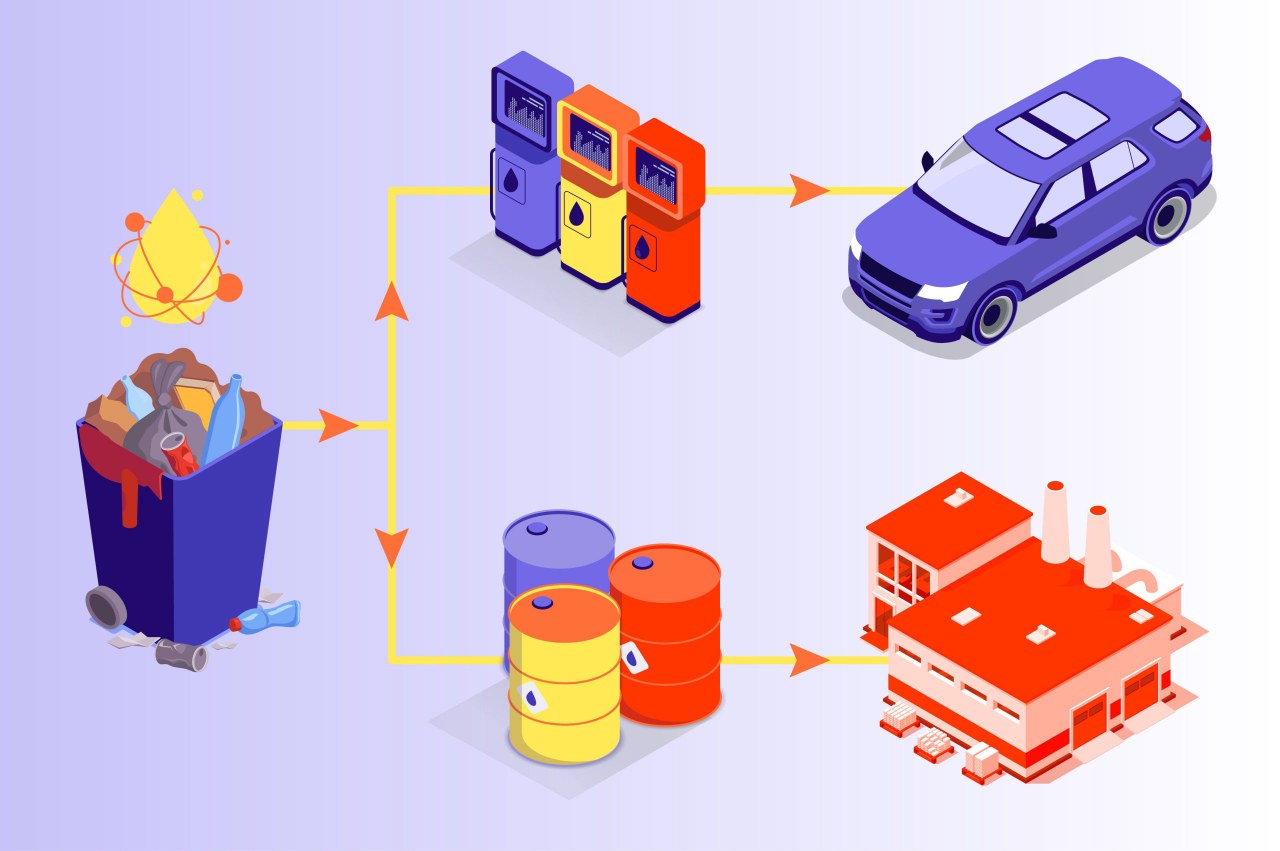
Scientists are exploring a molten salt-based chemical recycling process to convert mixed plastic waste into fuels and chemical raw materials.