

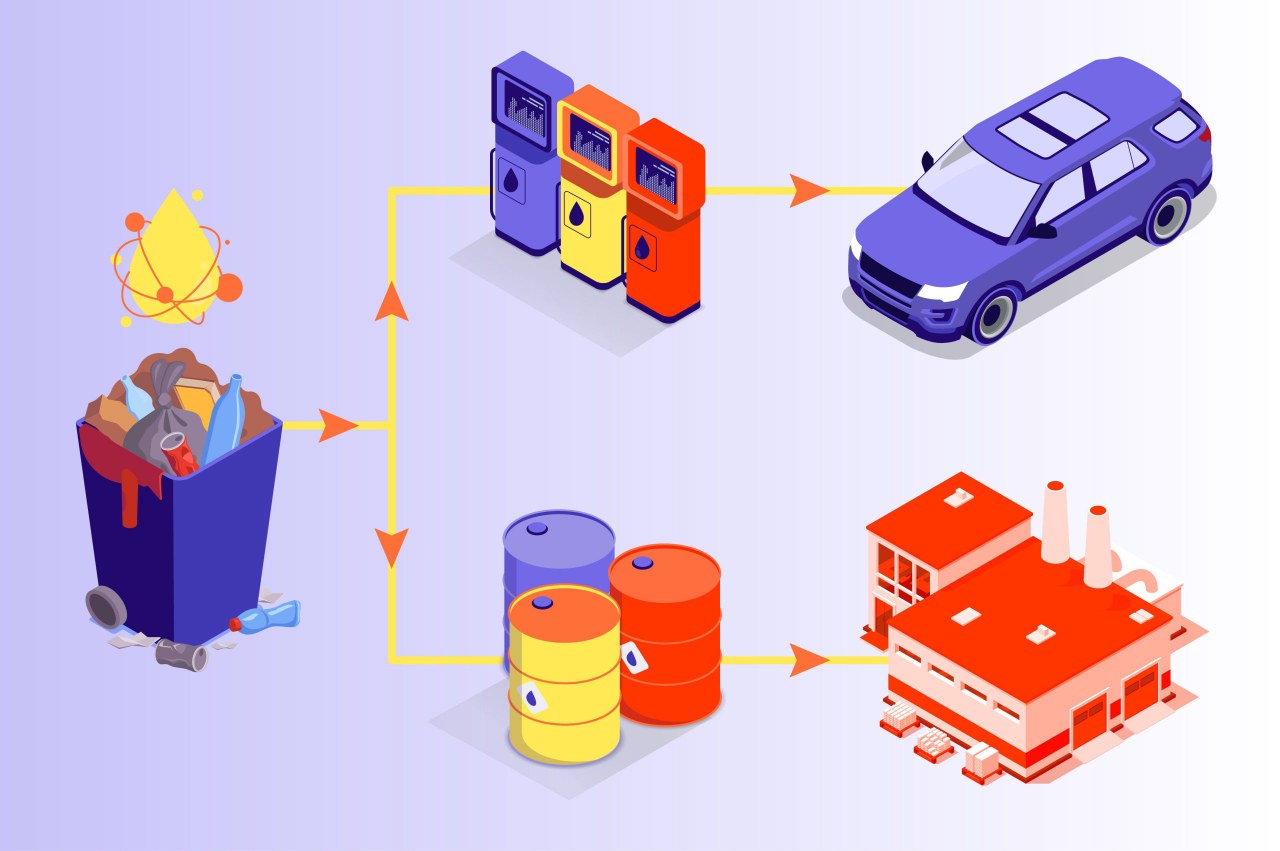
Researchers are developing a chemical recycling method that uses high-temperature molten salt to decompose plastic waste. This process breaks down stable polymer chains, such as polyethylene and polypropylene, into smaller hydrocarbon molecules that can be converted into fuels, lubricants, or chemical feedstocks.
Unlike traditional mechanical recycling, which requires precise sorting of materials, the molten salt technique can process mixed and contaminated plastic waste. The molten salt acts as a heat-transfer medium, creating a uniform environment that facilitates the cleavage of long-chain polymers into shorter, usable molecules.
This approach aims to retain carbon within the industrial cycle rather than releasing it into the atmosphere through incineration. By converting waste into raw materials, the method offers a potential alternative to landfilling and burning, though it remains in the laboratory research stage.
Significant challenges remain before commercialization, including the need to maintain molten salt stability during continuous industrial operation and the management of impurities found in real-world waste, such as metals, paper, and additives. Future efficiency will depend on energy costs and process scalability.


