Sabi Secures $50 Million for Non-Invasive Brain-Computer Interface
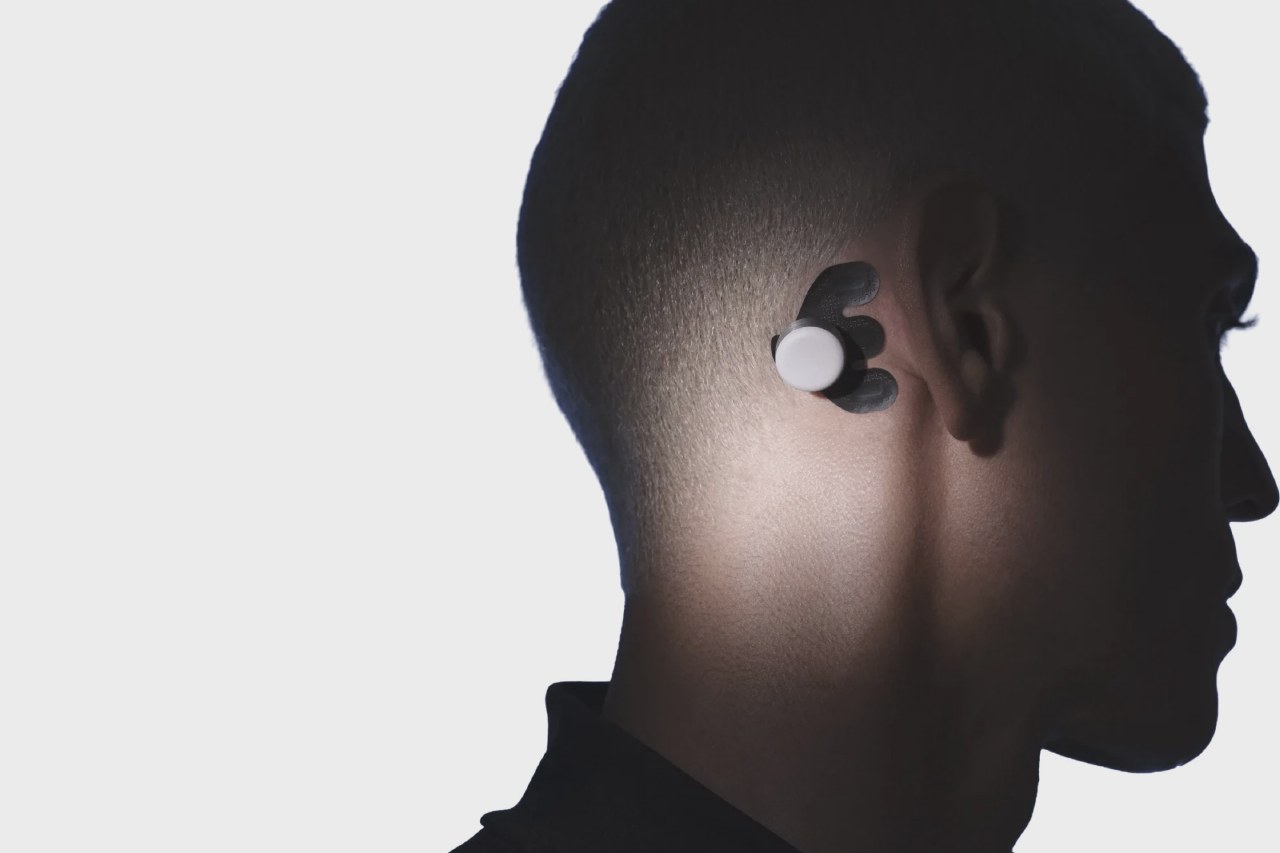
Palo Alto startup Sabi has raised $50 million to develop a non-invasive wearable brain-computer interface that translates thoughts into digital commands.

Palo Alto startup Sabi has raised $50 million to develop a non-invasive wearable brain-computer interface that translates thoughts into digital commands.

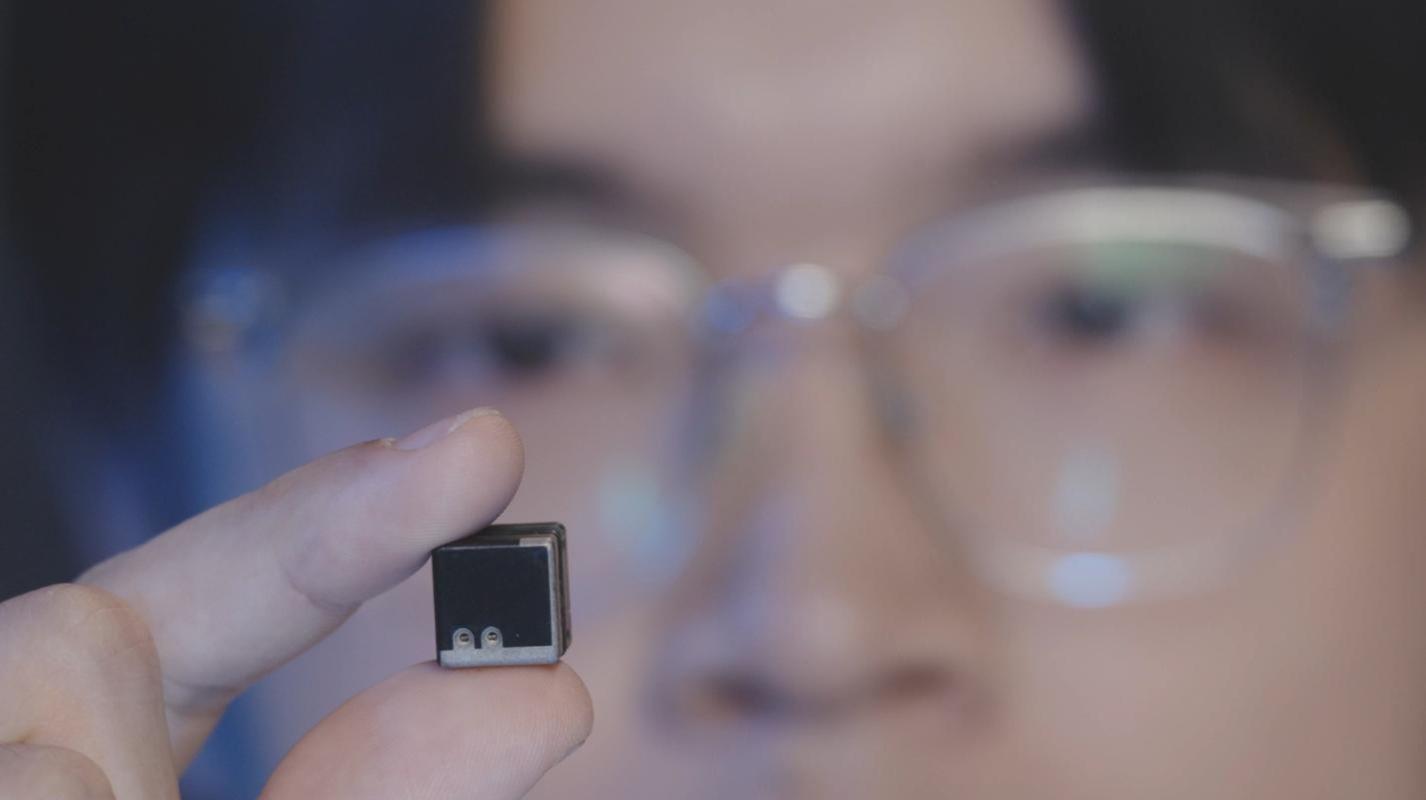
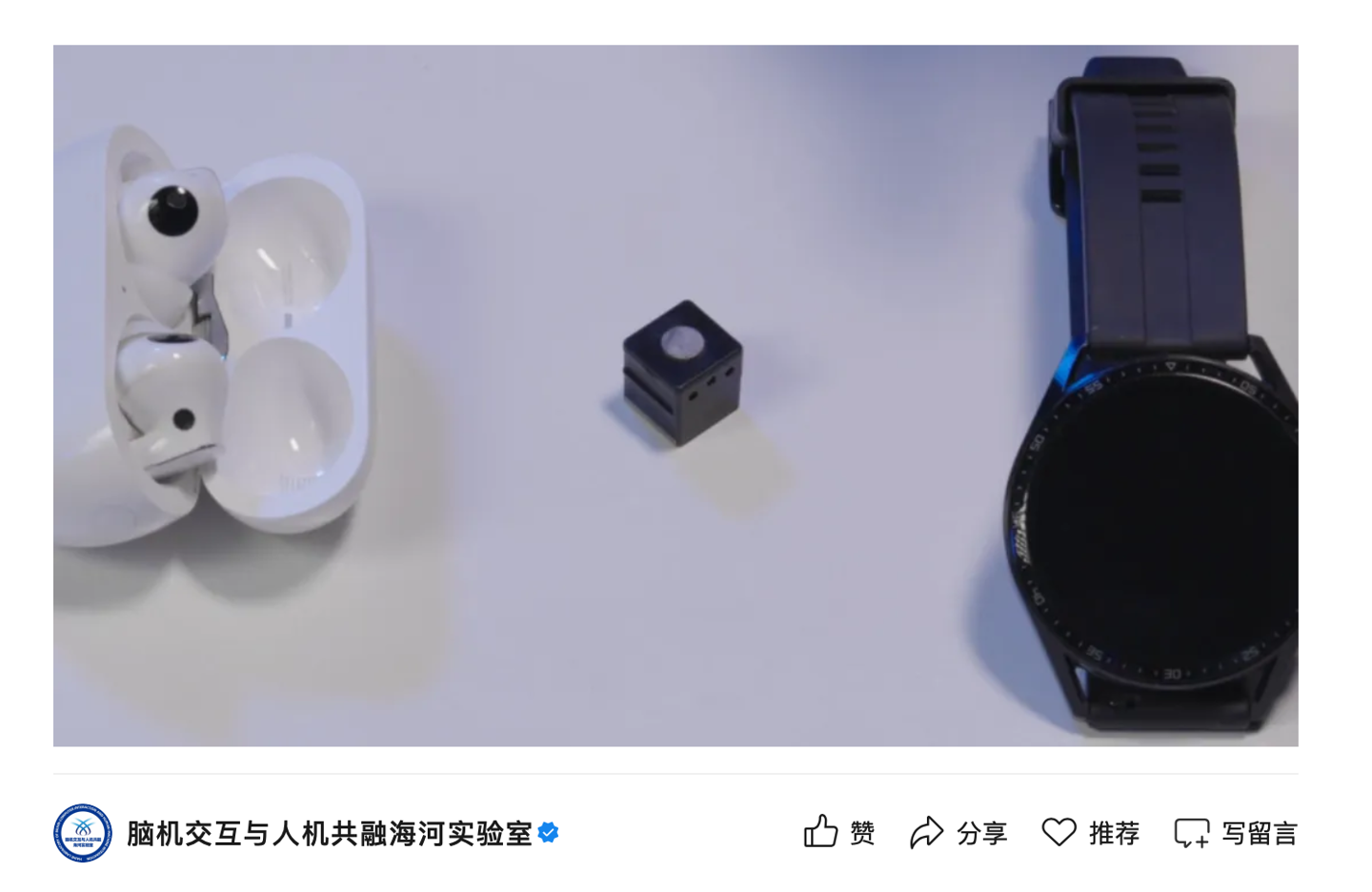
Tianjin University researchers have unveiled the Brain Cube, a 3-gram non-invasive neural interface designed for long-term brain activity monitoring.

Researchers have developed an AI system that reconstructs visual images from human brain scans using fMRI data and a dual-model training approach.

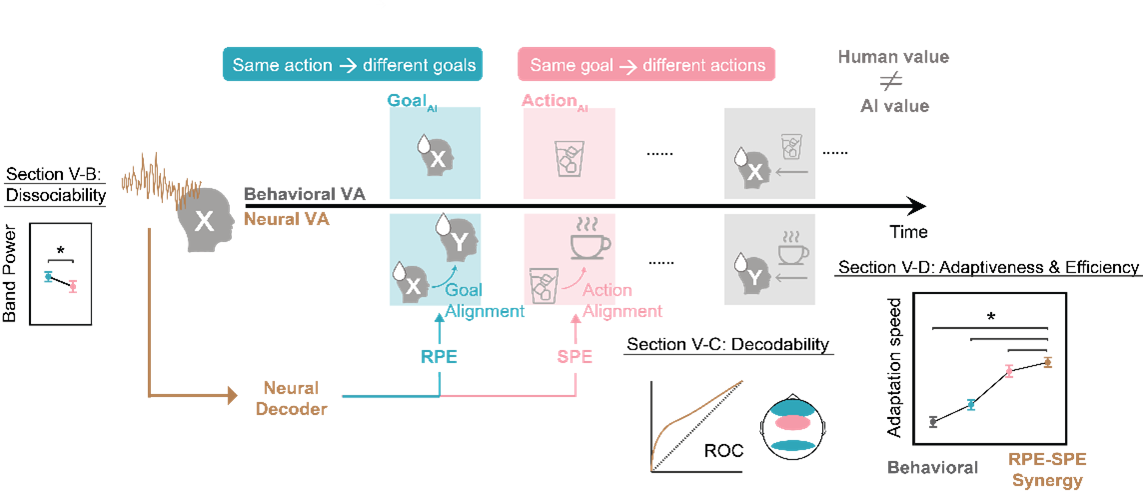
KAIST and Microsoft Research Asia have created a brain-computer interface that allows AI to detect and correct misunderstandings by analyzing human brainwaves in real time.

Tianjin University and Shenggong Diting have unveiled the Shenggong Xumi Brain Cube, a 3-gram non-invasive brain-computer interface system.

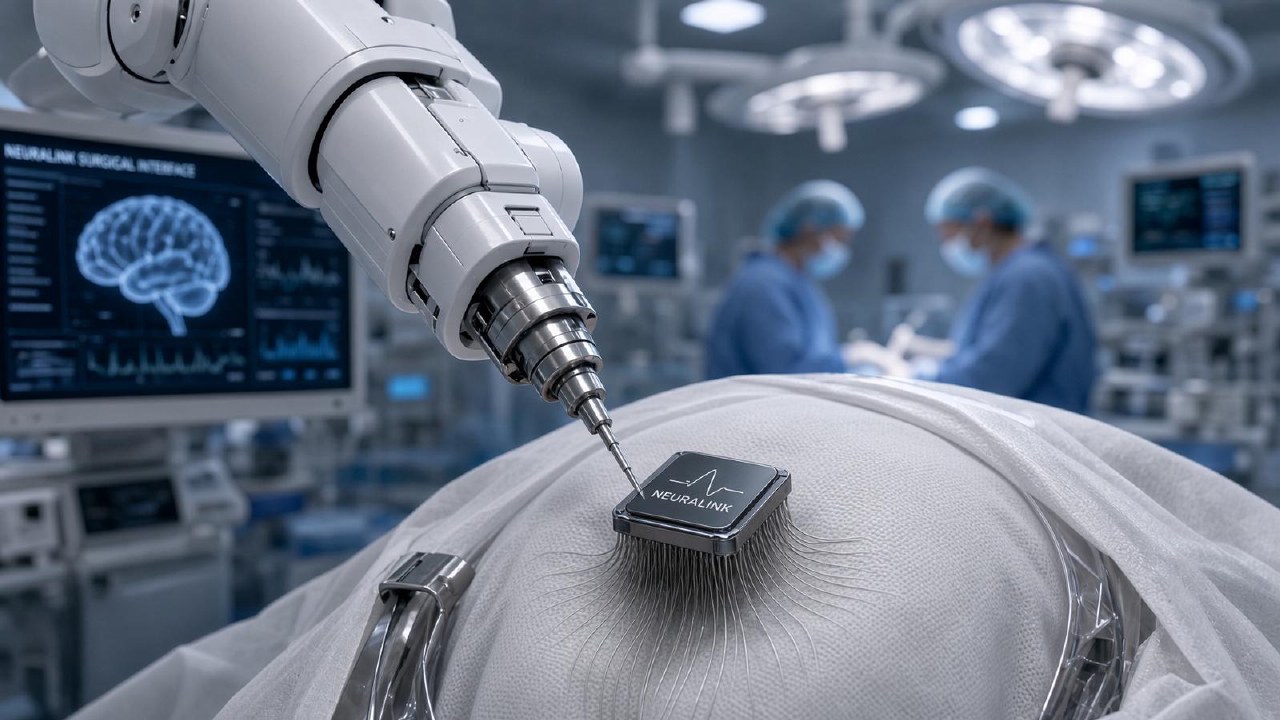
Neuralink has leveraged 50,000 hours of brain signal data to enhance its brain-computer interface, achieving record-breaking cursor control speeds and significantly reducing calibration time.

Precision Neuroscience has raised $250 million to advance its brain-computer interface technology, attracting investment from Bill Ackman.

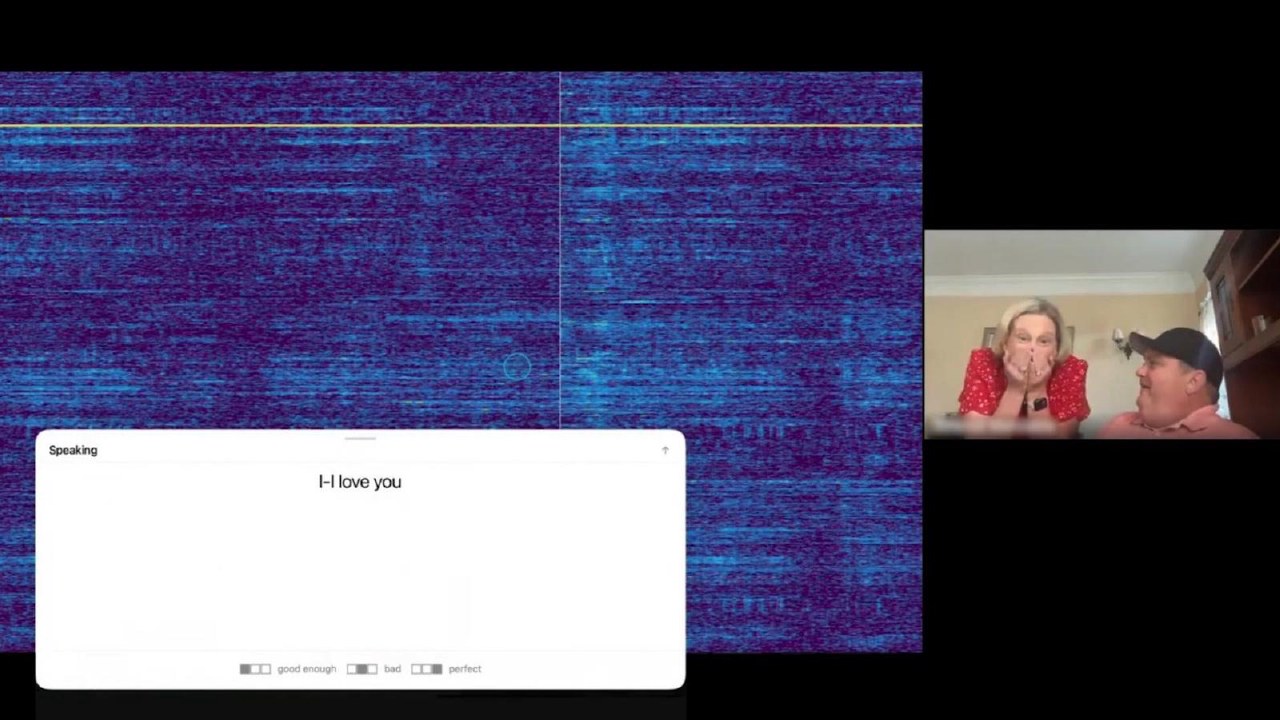
Neuralink has demonstrated a new capability for its brain-computer interface, allowing a patient with speech impairment to communicate using synthesized voice output.

Neuralink has showcased its N1 brain implant successfully converting imagined speech into synthesized words for a patient with amyotrophic lateral sclerosis.

Science Corp CEO Max Hodak will discuss the future of brain-computer interfaces at TechCrunch Disrupt 2026, following his company's $230 million Series C funding round.

Neuralink co-founder Max Hodak will discuss the future of brain-computer interfaces at TechCrunch Disrupt 2026, following his company's $1.5 billion valuation.

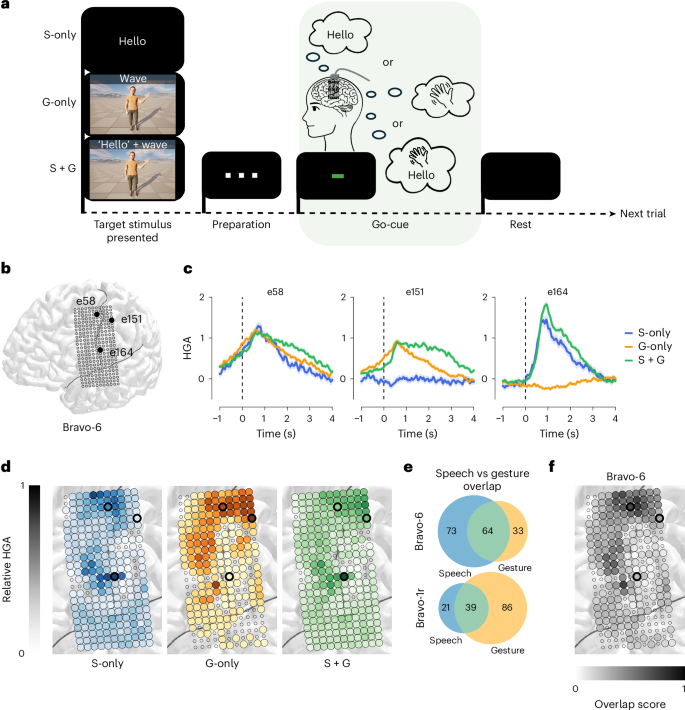
Researchers have developed a brain-computer interface that simultaneously decodes speech and limb movements to control a virtual avatar.

China has introduced the world's first AI-focused standard for brain-computer interface medical devices, set to take effect on September 1, 2025.
Atlas is a new consumer EEG wearable designed to monitor focus, cognitive load, and mental fatigue in real-time using dry electrode technology.