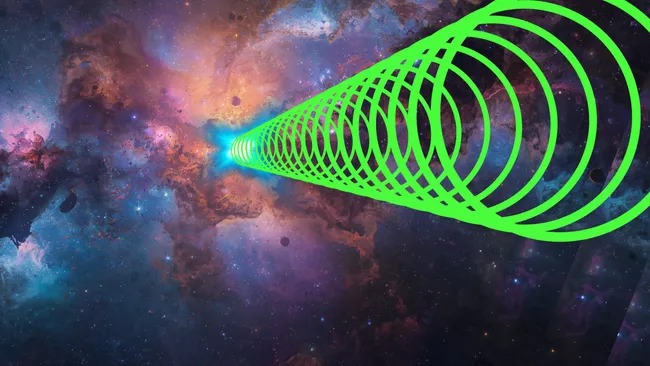
Astronomers have identified a record-breaking gamma-ray burst (GRB) designated as GRB 220706A, which was first observed on July 6, 2022. The event is notable for its central engine, which remained active for approximately 27 days, producing X-ray flares long after the initial burst.
This duration surpasses the previous record for delayed X-ray flares, which stood at approximately 6 days post-burst. Benjamin Gompertz of the University of Birmingham noted that such late-stage activity is unprecedented in known GRB samples, challenging existing theoretical models of jet-driven bursts.
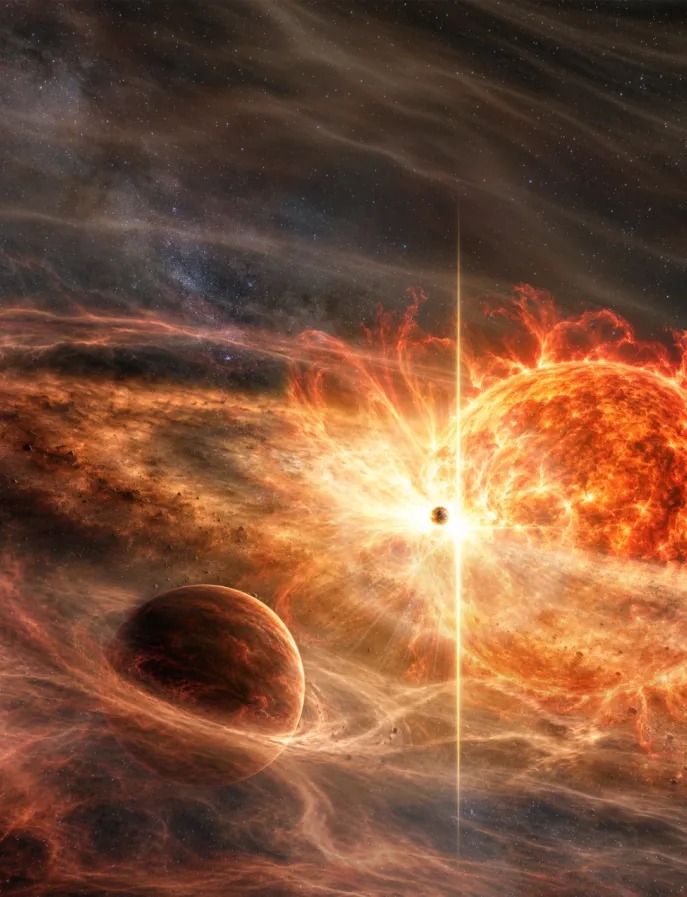
The burst is classified as an ultra-long GRB, a rare category associated with exceptionally bright supernovae. Researchers suggest the progenitor star may have been a blue supergiant with a radius nearly 1,000 times that of the Sun, significantly larger than the Wolf-Rayet stars typically linked to standard GRBs.
Potential explanations for the prolonged activity include the formation of a magnetar—a neutron star with an intense magnetic field—or collisions between the jet and dense shells of material ejected by the star. Scientists are currently investigating whether these events represent a distinct class of cosmic phenomena.
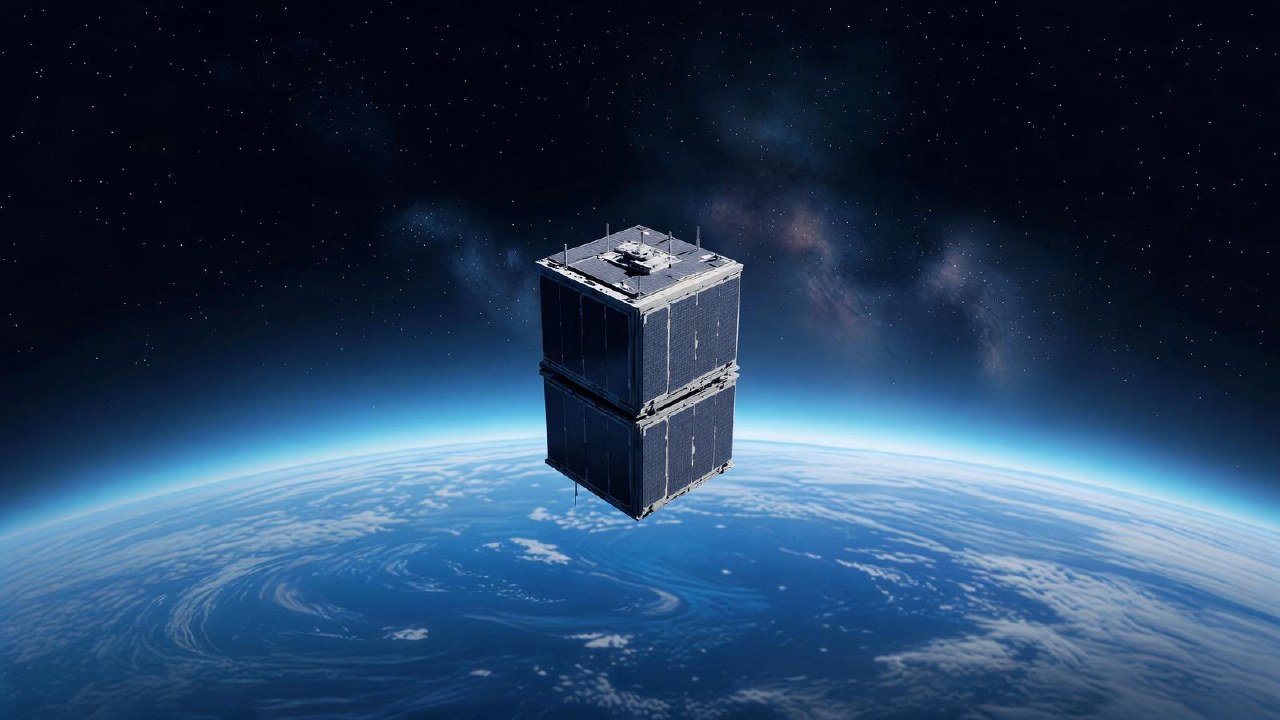
Detecting such events remains challenging because low-Earth orbit satellites are frequently obstructed by the planet. However, the newly launched Einstein Probe, which features high sensitivity to X-rays, is expected to assist in identifying more ultra-long GRBs to further clarify their energy sources.