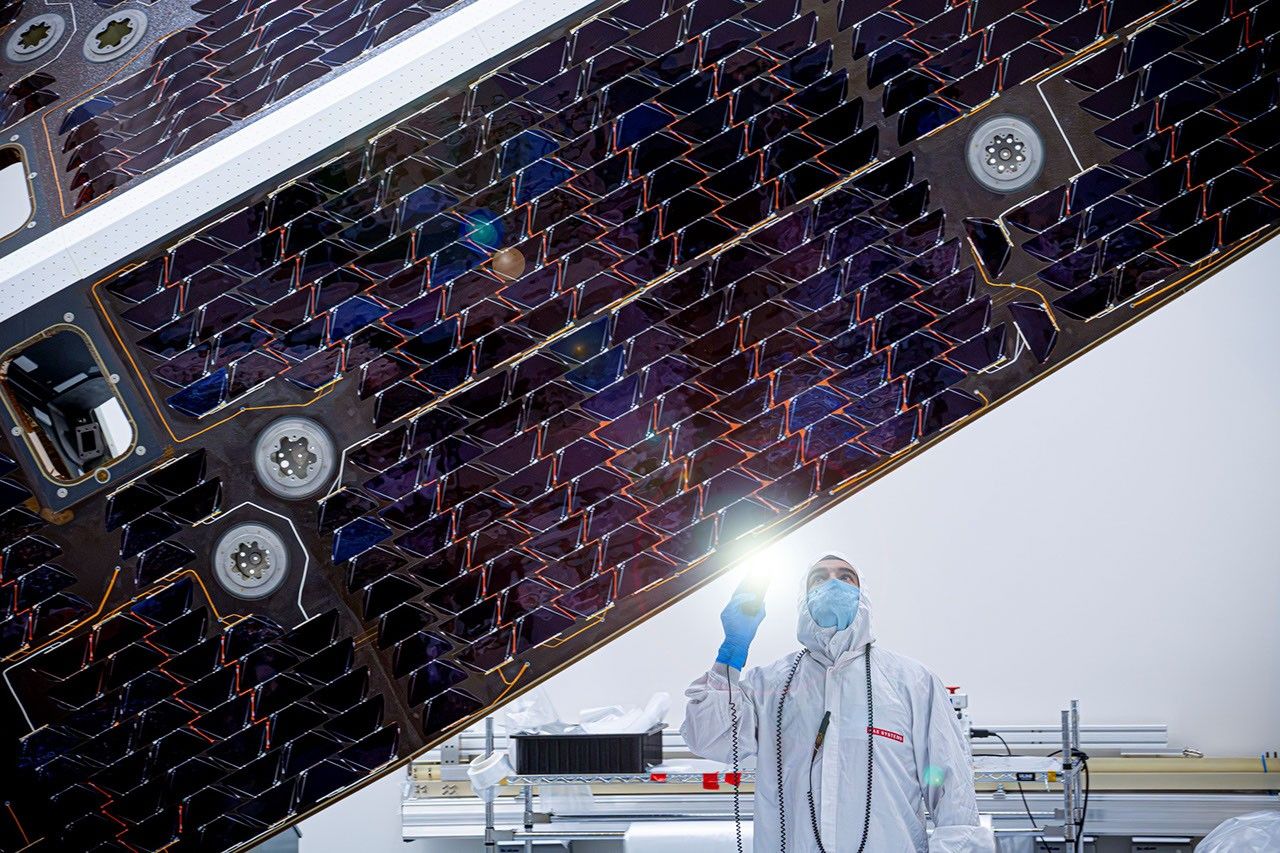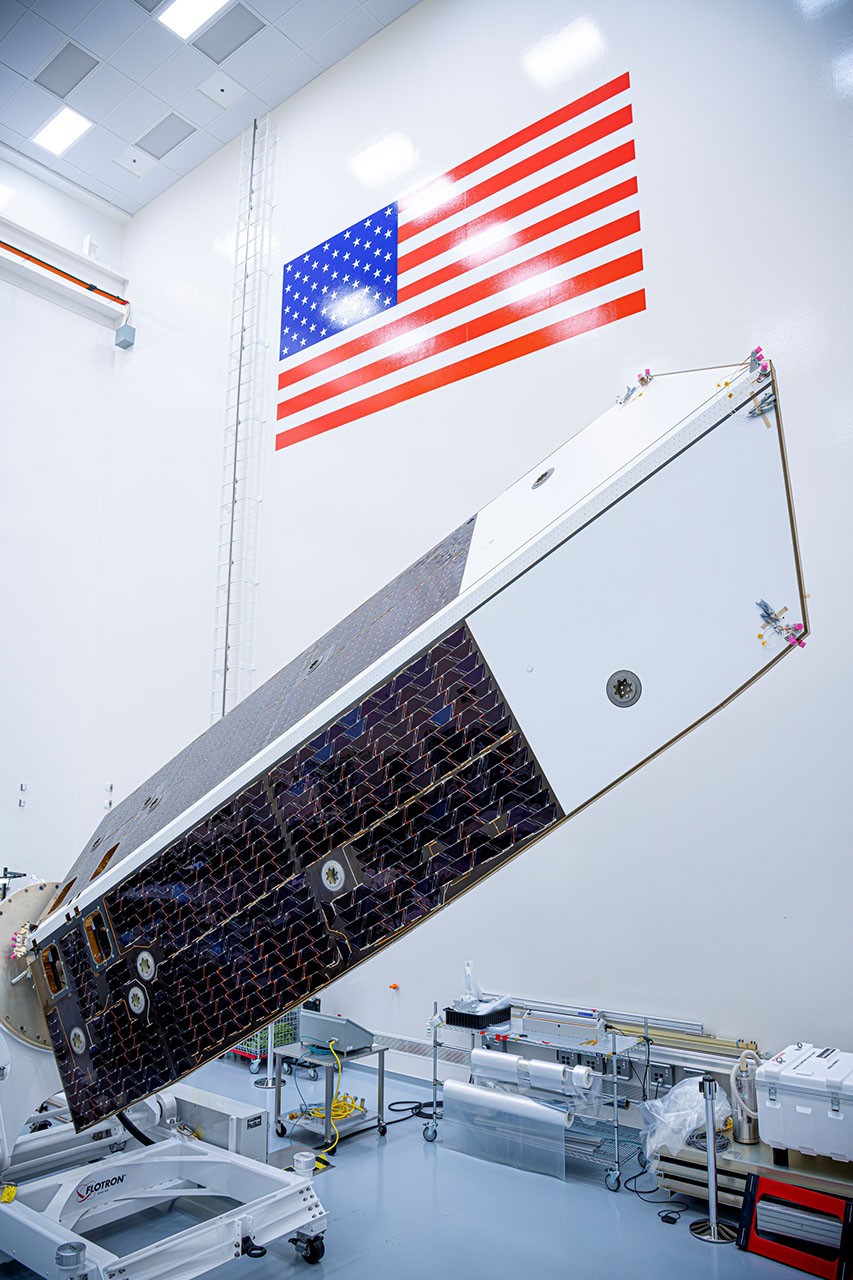
The Lazuli Space Telescope, initiated by former Google CEO Eric Schmidt, is set to become the world's first privately funded space telescope. The project features a 3-meter primary mirror, which is larger than the 2.4-meter mirror on the Hubble Space Telescope, with a scheduled launch before 2029.
The telescope is equipped with three primary instruments: a wide-field optical imager, an integral field spectrograph, and an Exoplanet Starshade/Coronagraph (ESC). Researchers from the University of Michigan and the University of Arizona have identified 27 gas giant exoplanets as initial observation targets for the ESC.
Unlike traditional methods that rely on detecting thermal radiation from young planets, the ESC utilizes reflected starlight. This approach allows for the study of mature planetary systems regardless of their age, as the brightness of reflected light does not decay over time. The observation range covers visible light wavelengths.
The ESC operates in a wavelength range of approximately 0.5 to 2 microns, allowing for higher resolution and the ability to observe planets closer to their host stars compared to infrared telescopes. The required contrast ratio for these observations is between 10⁻⁷ and 10⁻⁹, necessitating exposure times ranging from tens to hundreds of hours.
To maximize efficiency, the mission will focus on known exoplanets with pre-determined orbital parameters, such as HD 181433 d and Beta Pictoris b. Data from the Lazuli telescope will complement observations from other facilities, including the Nancy Grace Roman Space Telescope and the Extremely Large Telescope (ELT).