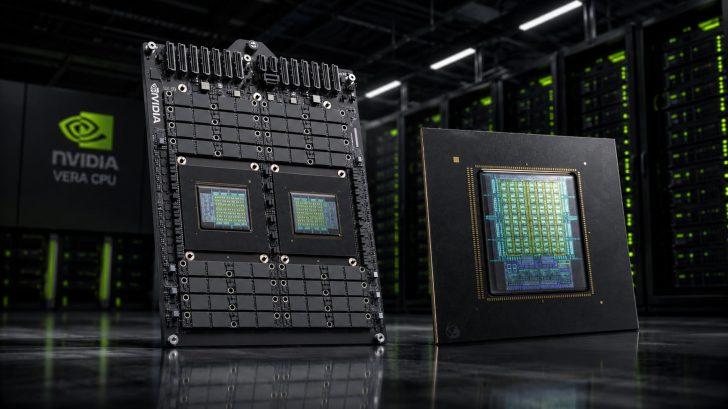
Nvidia is shifting its server processor strategy to prioritize single-core performance, aiming to support the needs of AI agents. The company notes that AI agents frequently switch between GPU computations and sequential CPU tasks, making high single-thread speed essential to prevent expensive GPU idle time.
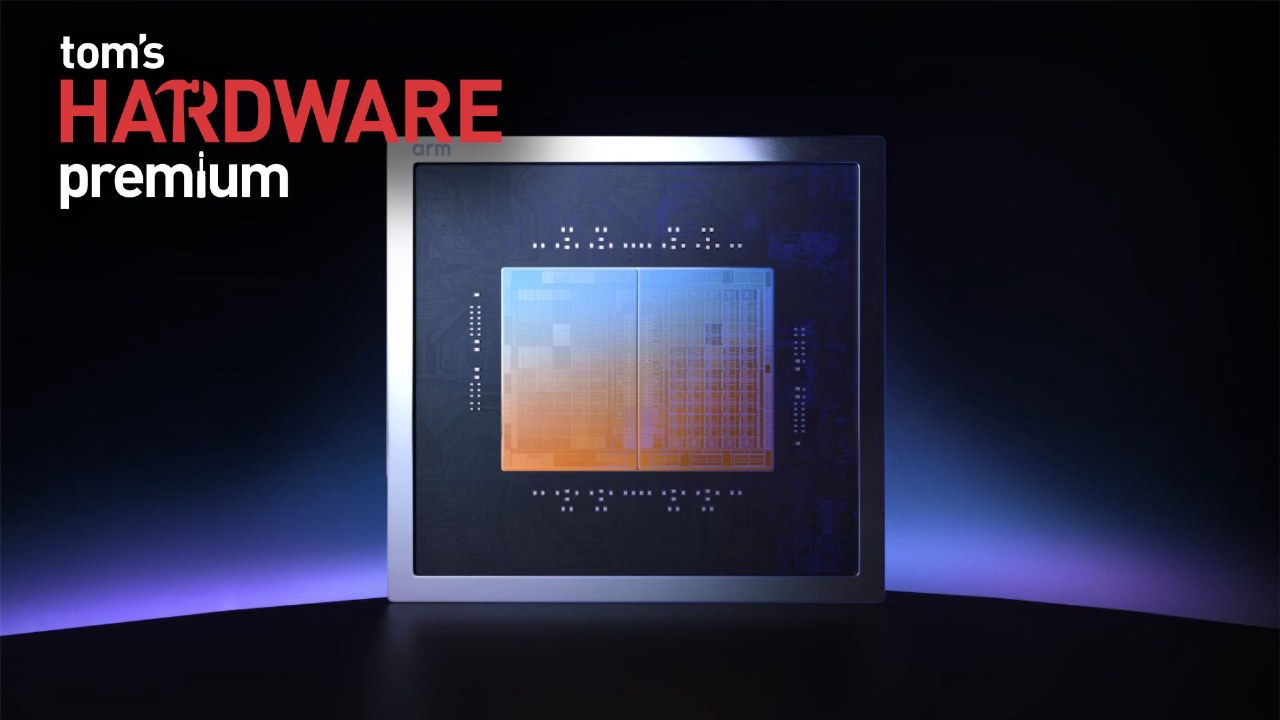
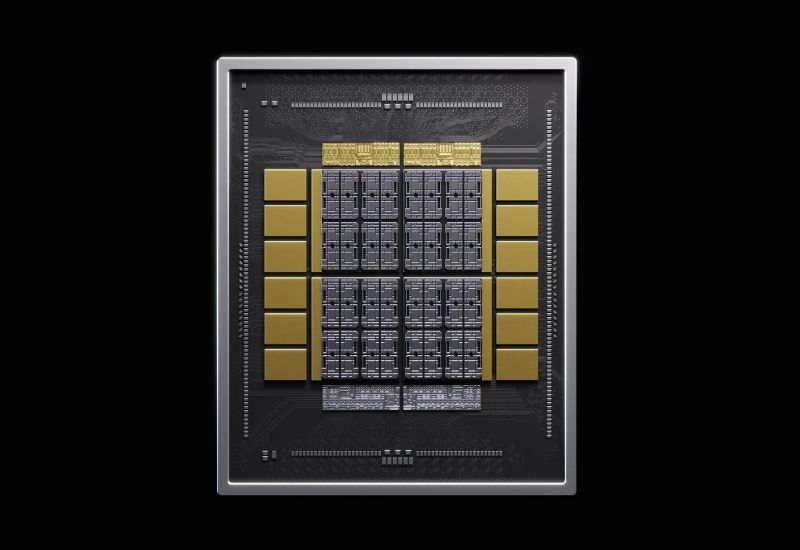
The upcoming Vera processor features a monolithic die design to minimize latency between cores, avoiding the delays associated with multi-chiplet architectures. It utilizes LPDDR5X memory and offers a bisection bandwidth of 3.4 TB/s, which Nvidia claims is three times higher than current leading x86 processors.
Performance metrics for Vera show a 1.5x improvement over the previous Grace processor. In specific AI agent tasks, such as Python scripting and code compilation, the chip reportedly delivers up to a 2x performance advantage over top x86 alternatives, with a geometric mean improvement of 1.6x.
Nvidia has implemented a spatial multithreading scheme that separates compute tasks from I/O operations. Internal testing indicates this approach provides a 20% performance boost. The company is positioning Vera both as a host for GPU-accelerated servers and as a standalone solution for CPU-heavy AI infrastructure.
While Nvidia does not confirm industry projections of an 80:1 CPU-to-GPU ratio, it acknowledges that the rise of agentic tasks is driving demand for increased CPU resources. The company notes that some infrastructure providers currently manage hundreds of thousands of isolated software environments for individual clients.