Arm has introduced a new methodology for evaluating CPU performance in agentic AI workloads, developed in collaboration with Fujitsu, Meta, and OpenAI. The approach focuses on representative tasks, repeatable measurements, and validation against end-to-end outcomes. To address variability in agent behavior, Arm proposes replaying recorded actions to ensure consistent execution sequences across different systems.
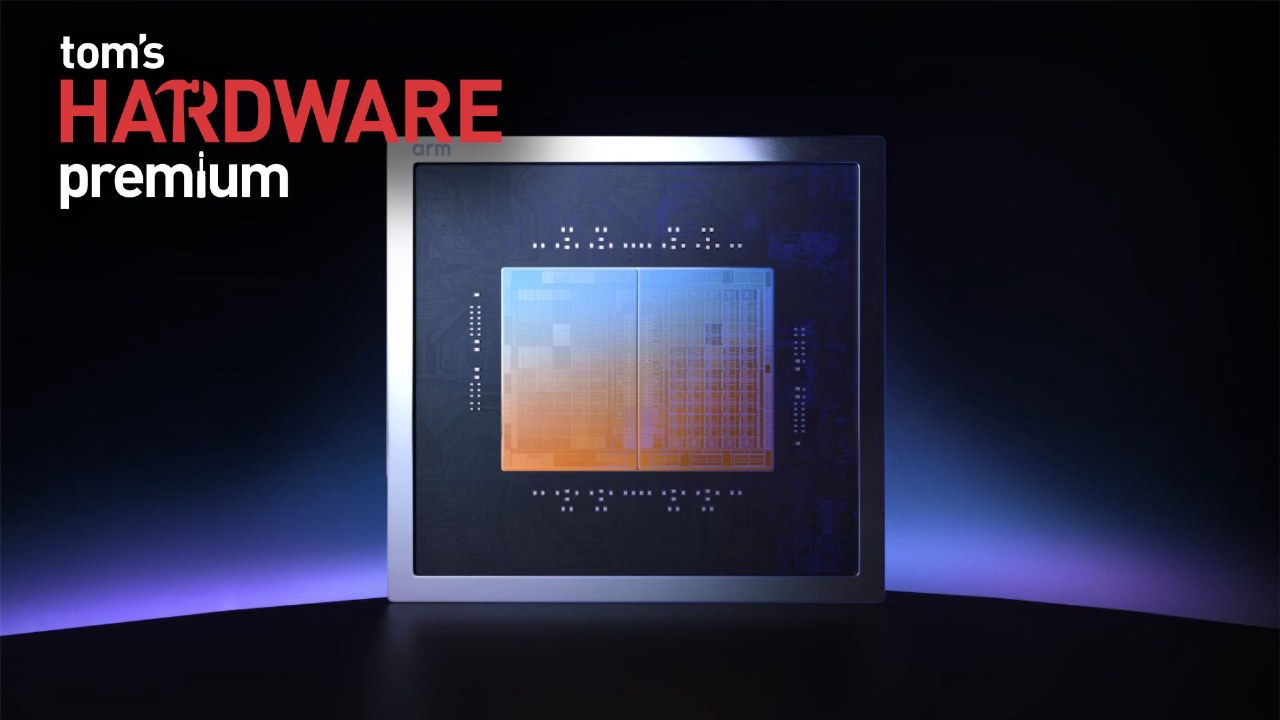
In an independent analysis verified by Signal65, Arm compared its AGI CPU against the 128-core AMD EPYC 9755. The testing included seven workloads covering tooling, planning, and sandbox creation. Arm utilized two configurations: a 128-core chip at 2.8 GHz and a 136-core chip at 3.2 GHz. The AMD system used a single-socket 128-core EPYC 9755 with DDR5-6400 memory.
At the chip level, Arm reported an average 20% performance advantage over the AMD processor across the seven tests. Arm led in five categories, including a 97% lead in fastText, while trailing in MySQL and Milvus throughput. The analysis noted that software environments and Linux builds differed between the tested platforms, which may influence the results.
Arm’s rack-level model projects that its systems deliver 1.99 times the performance of AMD EPYC 9755-based racks. This projection assumes a 24 kW rack budget, allowing for 23 or 21 Arm servers compared to 13 AMD servers due to lower power consumption estimates. The model allocates 950 W to 1,050 W for Arm configurations and 1,700 W for the AMD setup.
The Signal65 report confirmed that the calculations were reproducible within 0.5%. However, the analysis did not include independent hardware testing in a lab environment, and certain BIOS and memory settings could not be verified. Arm’s methodology remains a proposal, as industry competitors like AMD and Nvidia utilize their own distinct benchmarks and performance metrics.