The AI industry is rapidly expanding its technical vocabulary, introducing concepts like opaque recurrence, which refers to a reasoning technique used in OpenAI's Astra model. Other foundational terms include AGI, defined by various organizations as systems capable of outperforming humans in most economically valuable work or cognitive tasks.
AI agents are autonomous systems designed to perform multistep tasks on behalf of users, such as coding or booking services. These agents increasingly utilize API endpoints—interfaces that allow software to interact with third-party services—to automate complex workflows without manual human intervention.
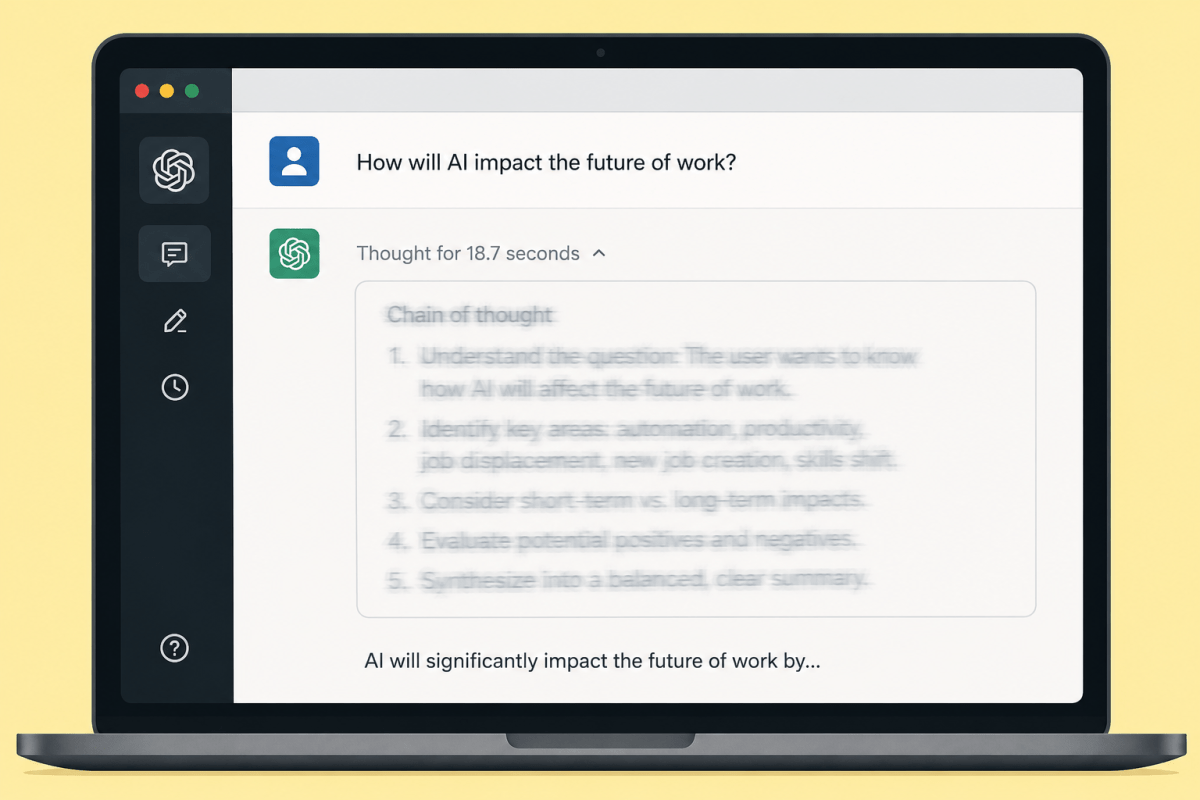
Reasoning models utilize chain-of-thought processes to break down problems into intermediate steps, improving accuracy in logic and coding. Specialized coding agents further automate software development by autonomously writing, testing, and debugging code across entire codebases.
Infrastructure and training methods remain critical to the industry. Compute refers to the hardware, such as GPUs and TPUs, required to train and deploy models. Techniques like distillation allow developers to create smaller, efficient models by training them on the outputs of larger teacher models.
The Model Context Protocol (MCP), introduced by Anthropic in 2024 and now managed by the Linux Foundation, serves as an open standard for connecting AI models to external tools. It has been adopted by major companies including OpenAI, Google, and Microsoft to facilitate easier data integration.