Meta Opens Access to 816B-Parameter Muse Spark Model
Meta has released the open-weight Muse Spark AI model, featuring 816 billion parameters and a 1-million-token context window, designed for coding and agentic workflows.

Meta has released the open-weight Muse Spark AI model, featuring 816 billion parameters and a 1-million-token context window, designed for coding and agentic workflows.

NVIDIA has launched the Nemotron 3.5 Super VL multimodal model and the compact Bolt series, offering new tools for agentic tasks and local deployment.

Meta has launched Muse Spark Open, its first open-weight multimodal model, now available for public testing on Arena.ai platforms.

Meta has launched Muse Glimmer, an open-weight AI model with 30 billion parameters, while maintaining its more advanced Muse Spark system as a proprietary product.

Llama for Windows, released in October 2026, enables local AI model execution on Windows 11 without command-line tools or admin rights, featuring an OpenAI-compatible API for developers.

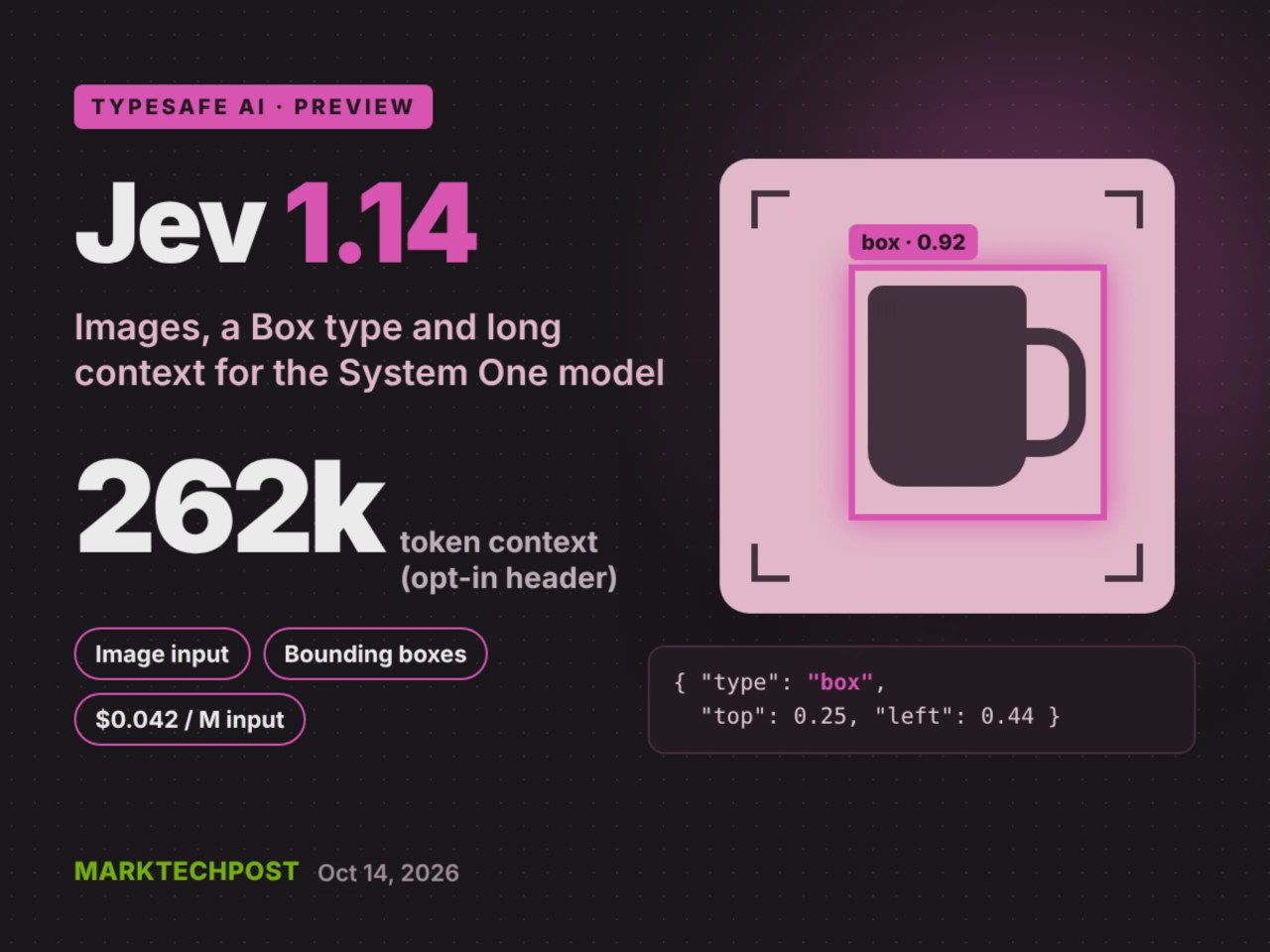
TypeSafe AI has updated its Jev model to version 1.14, introducing image processing, a new bounding box question type, and expanded context limits of up to 262k tokens.

A new version of the llama-runner tool automates the integration of local llama-server instances with the Claude Code agent, handling configuration, logging, and process management.

A new approach to managing LLM context uses asynchronous rotational compression to summarize dialogue history without interrupting the user's interaction with the model.

Fish Audio has launched Drama 3, a 35B parameter open-weight text-to-speech model that supports 83 languages and features a new mixture-of-experts architecture.

A study of open-source AI models reveals how temperature and random seeds influence narrative consistency and output quality in creative writing tasks.

A new research framework called HybridAgents reduces AI compute costs by up to 73% by enabling silent internal reasoning for large language models.

Intel has introduced containerized inference microservices that automatically optimize LLM performance on 4th, 5th, and 6th generation Xeon processors.

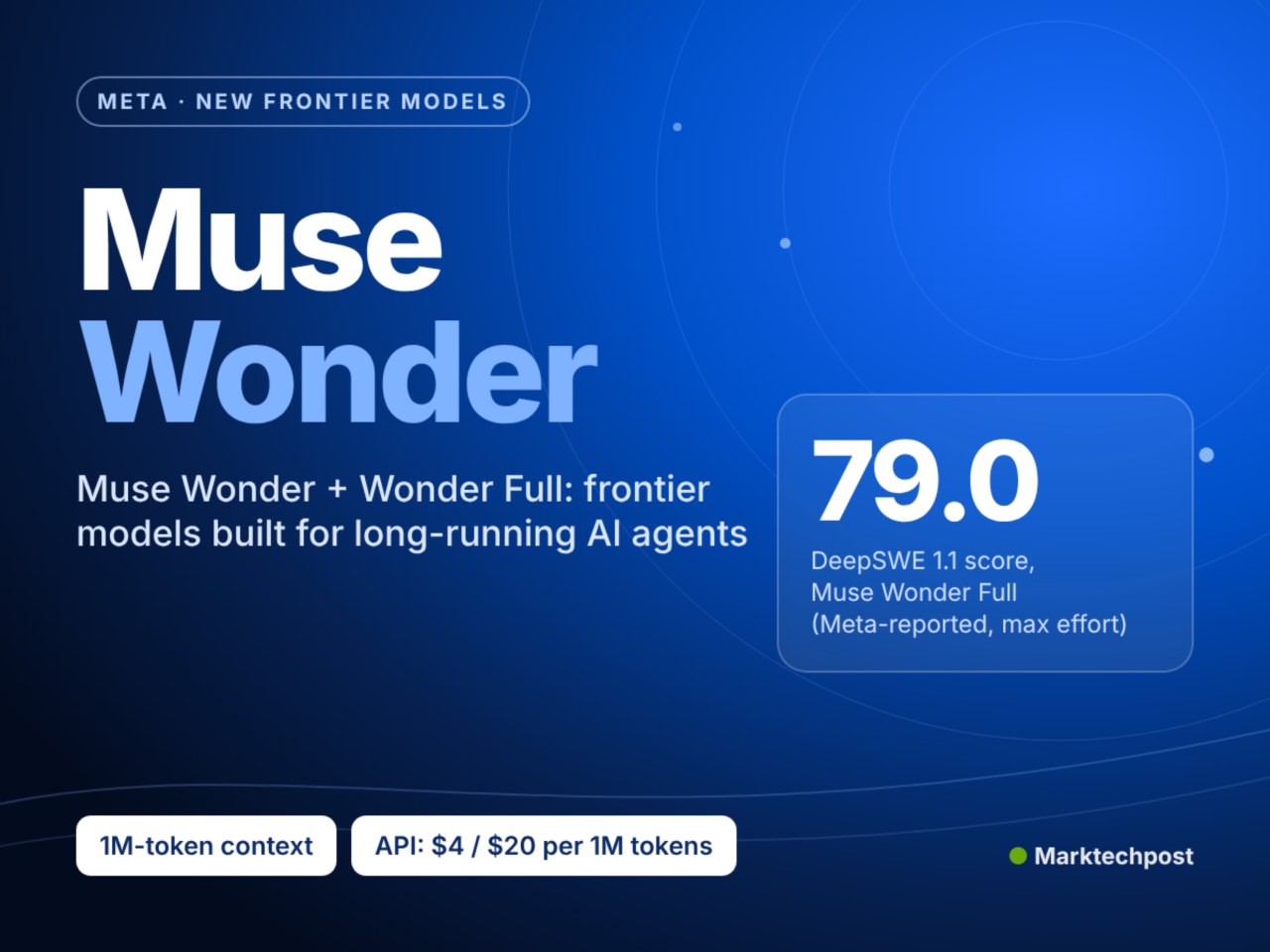
Meta has introduced its new Muse Wonder and Muse Wonder Full AI models, featuring expanded capabilities for task delegation and specific token-based or subscription pricing models.

Censys reports a 63% surge in exposed AI infrastructure, with over 294,000 public IP addresses now linked to vulnerable AI and LLM tools.

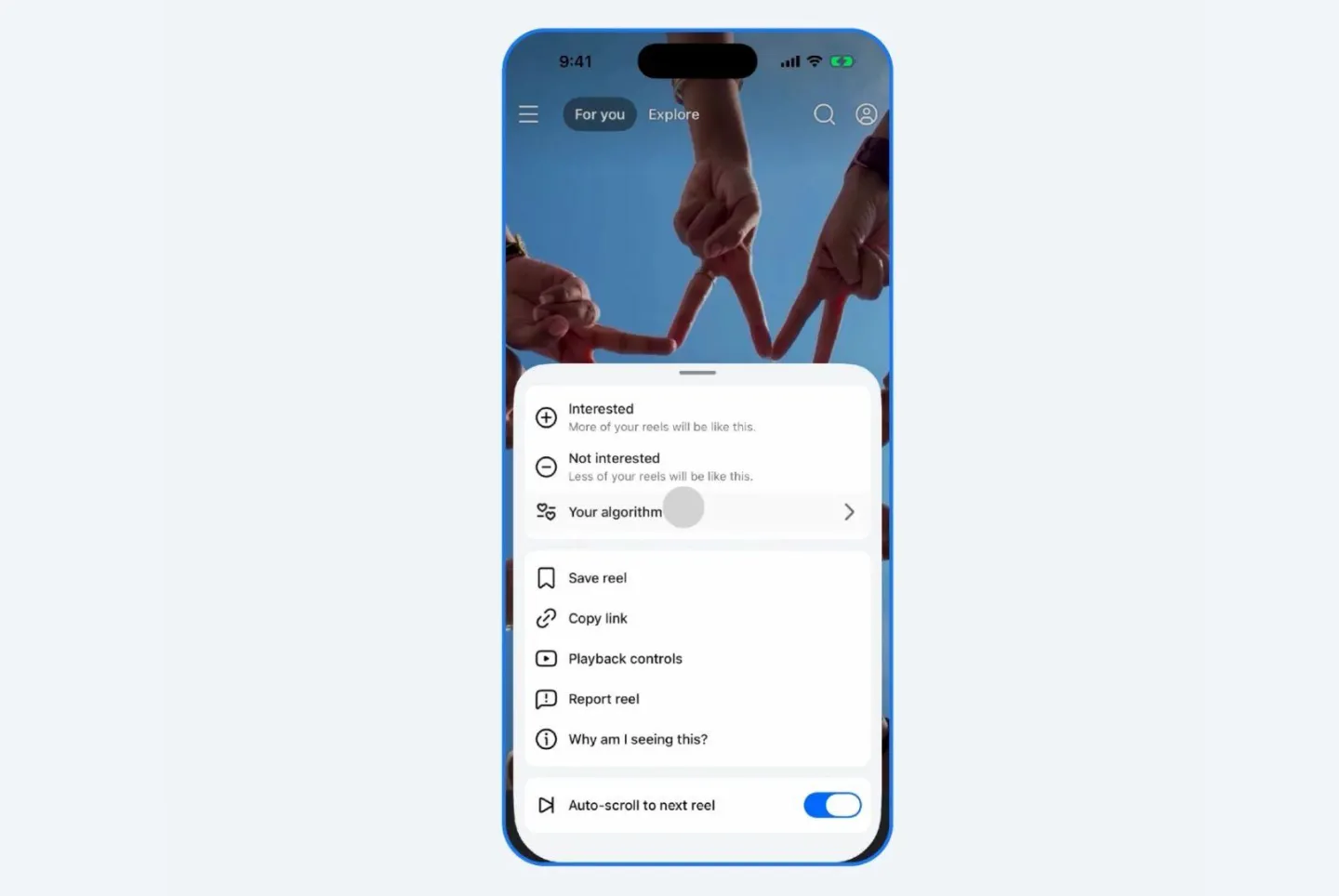
Meta has launched the Your Algorithm feature on Facebook, enabling users to customize content recommendations using natural language input powered by large language models.

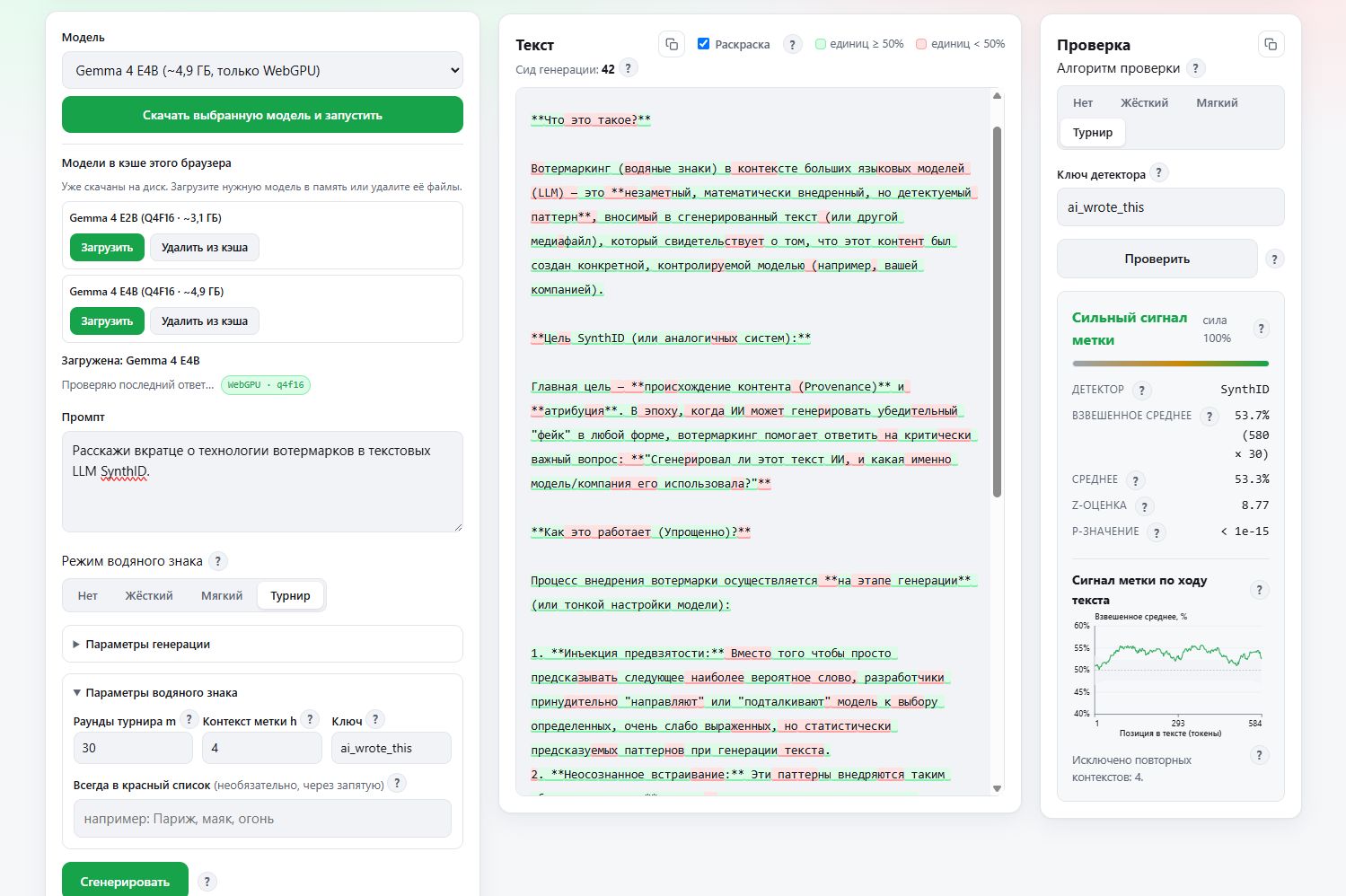
AI developers including OpenAI and the creators of Claude are integrating watermarking into their language models, prompting discussions on how to manage and potentially remove these markers.

RAG systems frequently fail due to poor retrieval strategies, with 73% of errors stemming from search issues rather than model limitations.

Z.ai has released GLM-Legal, a multimodal model for the legal sector that outperformed several competitors on the Harvey LAB benchmark with a 19.17% score.

Ingosstrakh's AI team is developing a method to detect errors in multimodal LLM document processing by analyzing token logprobs to calculate confidence scores.

Researchers at MIPT have introduced the HARP algorithm, which enhances the performance of highly compressed large language models by reducing errors by up to 15%.