

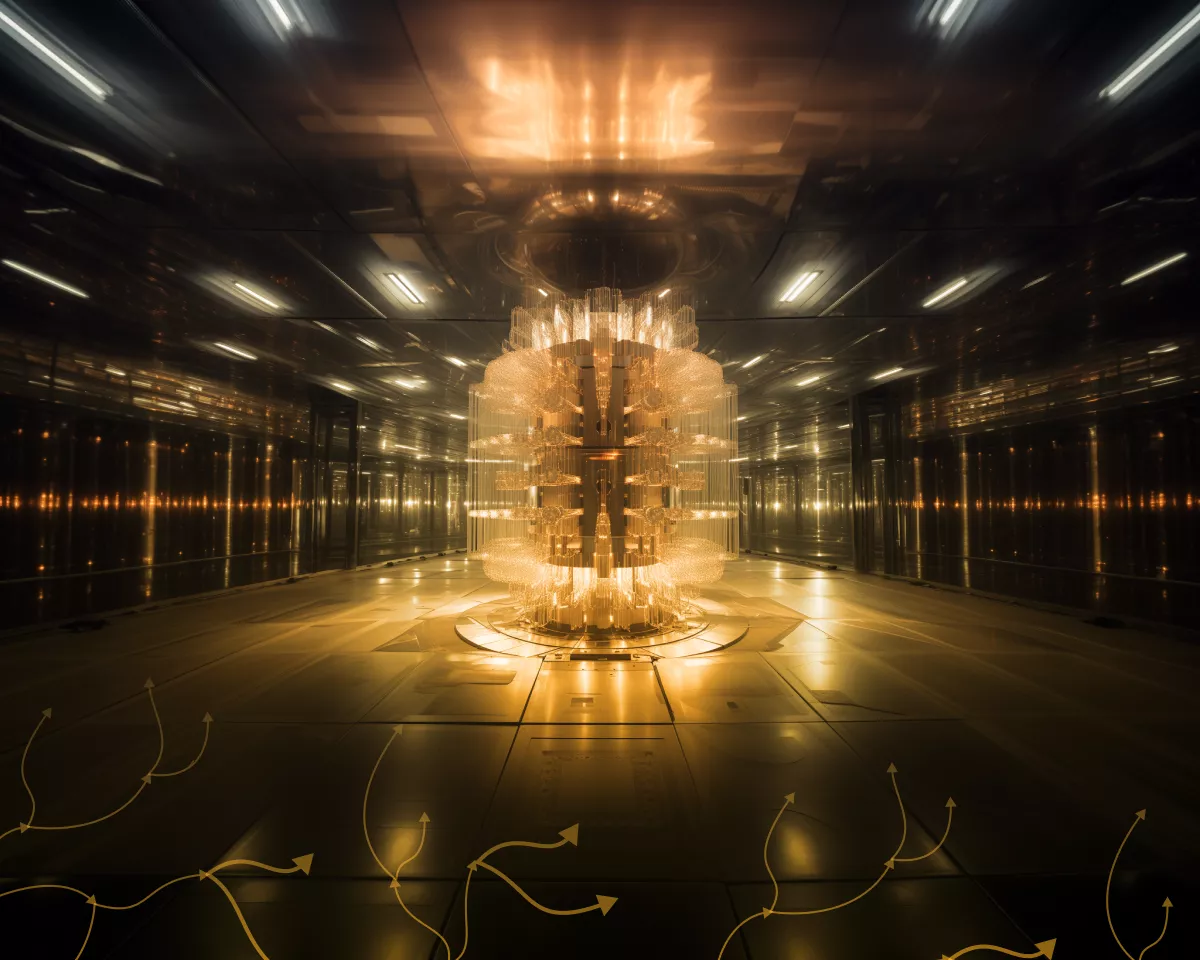
Silicon Quantum Computing and Schneider Electric have completed the first phase of a joint project using a hybrid quantum-classical model for energy forecasting. The system, which utilizes the SQC Watermelon quantum feature generator, improved forecast accuracy by an average of 20%, with some instances showing gains of up to 41%.
The testing was conducted over a 12-month period using data for day-ahead energy consumption. The quantum processor generates additional features that are integrated into Schneider Electric's existing classical machine learning models. The companies noted that these results demonstrate the potential of the hybrid approach within the specific experiment.
Following these results, the project has entered the second phase of the Australian Critical Technologies Challenge Program. The government has allocated AUD 3,6 million, equivalent to $2,5 million, to support further research involving the University of New South Wales. Future work will expand testing to data from hundreds of Australian homes.
The partners aim to integrate this quantum-classical approach into Schneider Electric's AI processes to manage distributed energy resources. This is intended to address the growing unpredictability of energy production and consumption caused by the increasing adoption of solar panels, home batteries, and electric vehicles.
In June, Silicon Quantum Computing secured an additional AUD 40 million from the National Reconstruction Fund Corporation to scale its quantum chip production. This investment brings the total funding from the fund to AUD 60 million, supporting the company's ongoing development of quantum technologies.

