AI
Identifying System Failure Origins via Graph Neural Networks
A new diagnostic framework uses graph neural networks and extreme value theory to pinpoint the source and timing of system-wide failures.
October 12, 2026, 12:13 PM·Хабр
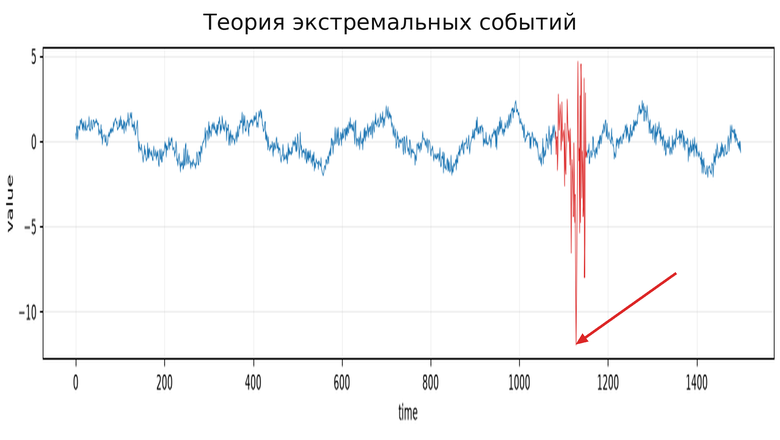
A new diagnostic framework uses graph neural networks and extreme value theory to pinpoint the source and timing of system-wide failures.
AI VK Research has introduced a method to scale graph neural networks, reducing memory usage by over 100 times and increasing recommendation efficiency for social networks.
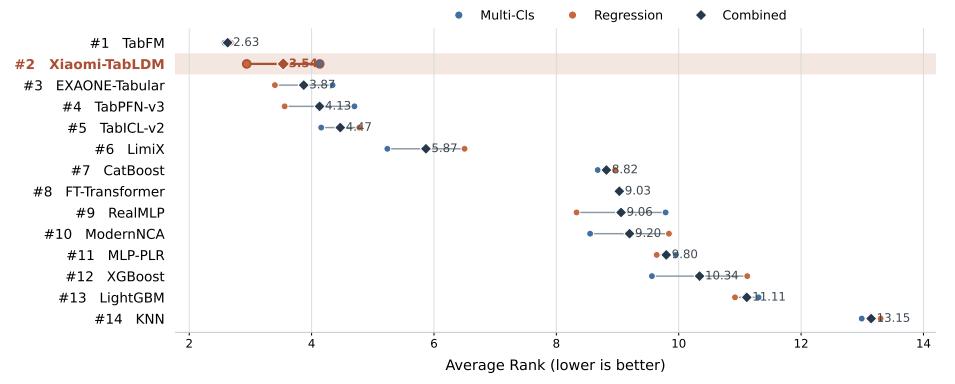
Xiaomi has launched TabLDM, an AI model for tabular data that eliminates the need for task-specific fine-tuning and offers faster processing speeds compared to existing solutions.
A new web application converts daily step counts into astronomical distances, using AI-generated code and data from the HYG and Gaia DR3 star catalogs.
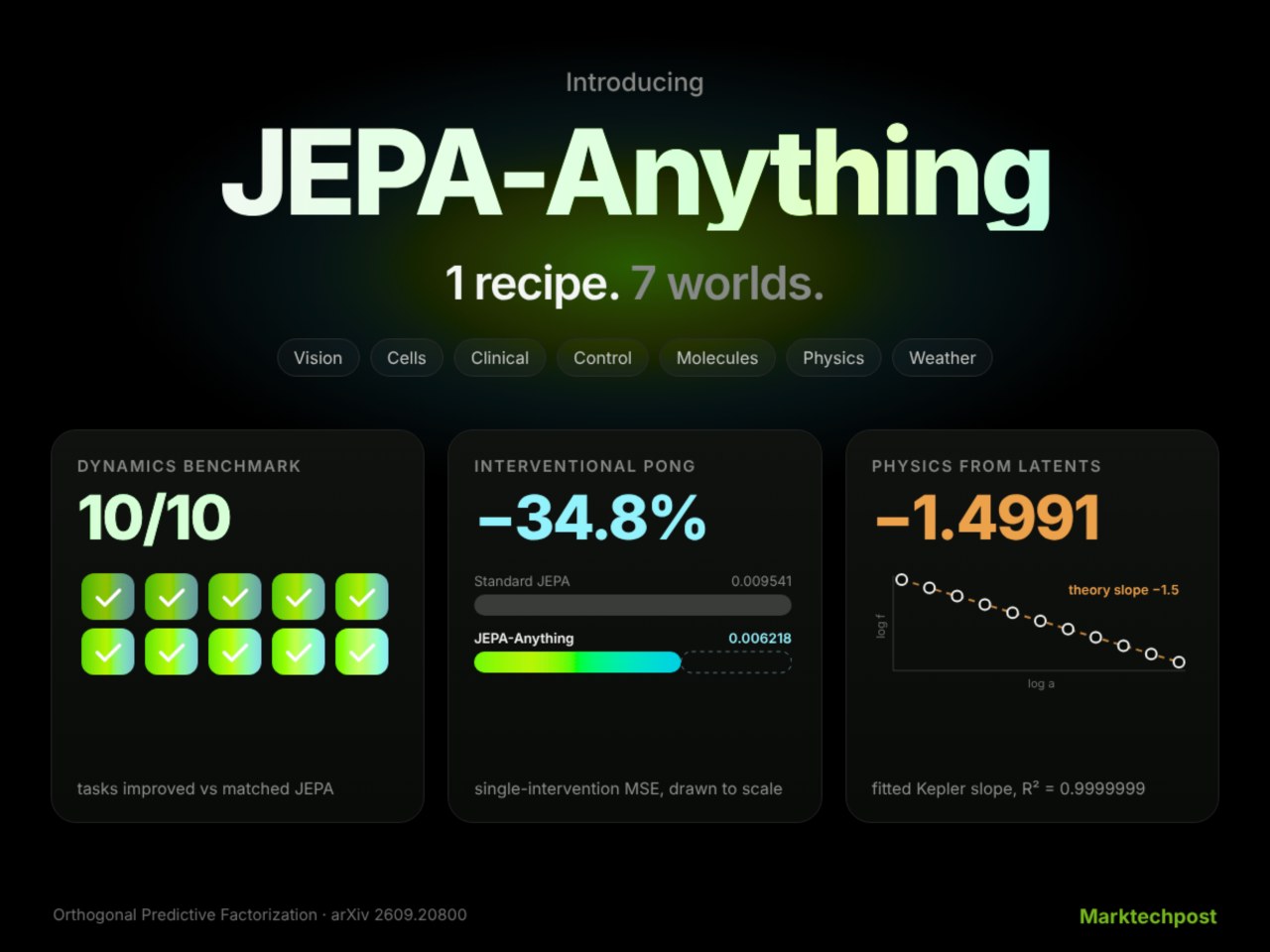
The new JEPA-Anything framework utilizes Orthogonal Factor Projection to improve capacity allocation and performance across seven distinct scientific and dynamics domains.
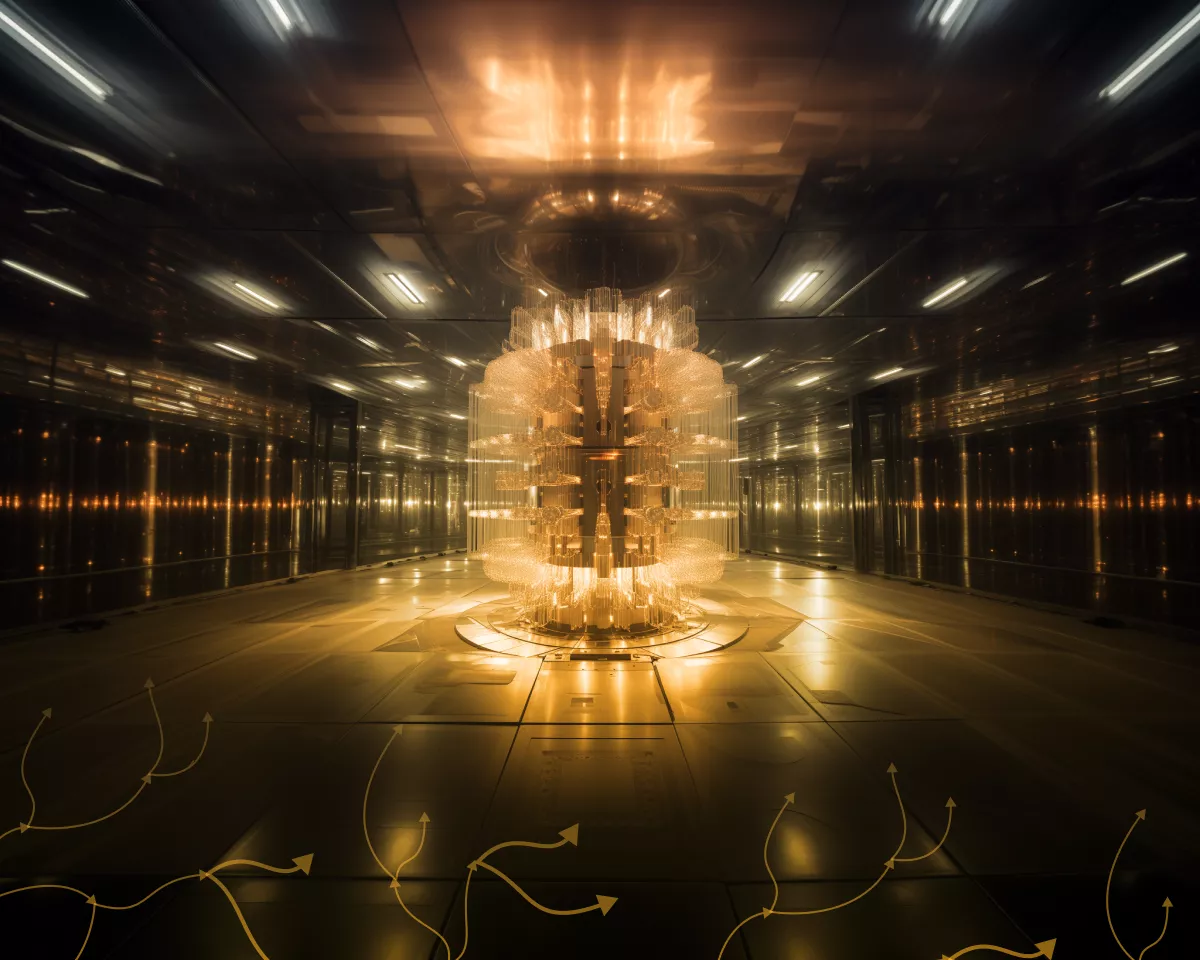
Silicon Quantum Computing and Schneider Electric have achieved a 20% improvement in energy forecasting accuracy using a hybrid quantum-classical model.
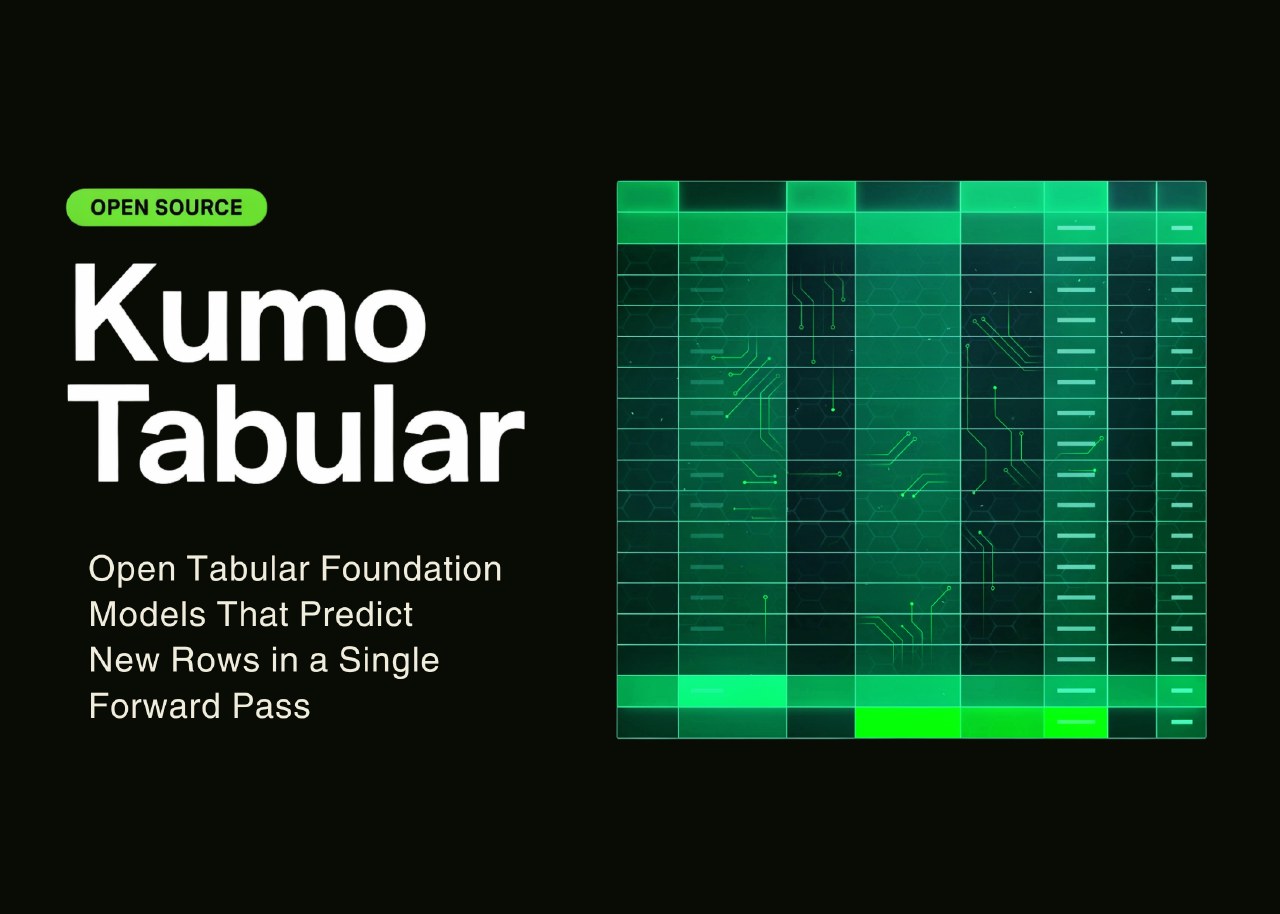
NVIDIA has launched Kumo Tabular, a series of open-source foundation models for structured data that support commercial use and feature high inference speeds.
Apheris and Ginkgo Datapoints have launched the Antibody Developability Consortium, uniting global pharma leaders to build a standardized 10,000-antibody dataset for AI training.

A performance comparison of pandas, Polars, DuckDB, and PySpark on a low-spec machine reveals how different libraries handle memory constraints and large datasets.
Over-reliance on AI assistants for coding and analysis can erode critical thinking skills and professional expertise, turning specialists into mere operators of AI tools.
Tether's QVAC division has released the Genesis III synthetic STEM dataset, enabling small language models to achieve a 99.45% valid-answer rate on MMLU benchmarks.
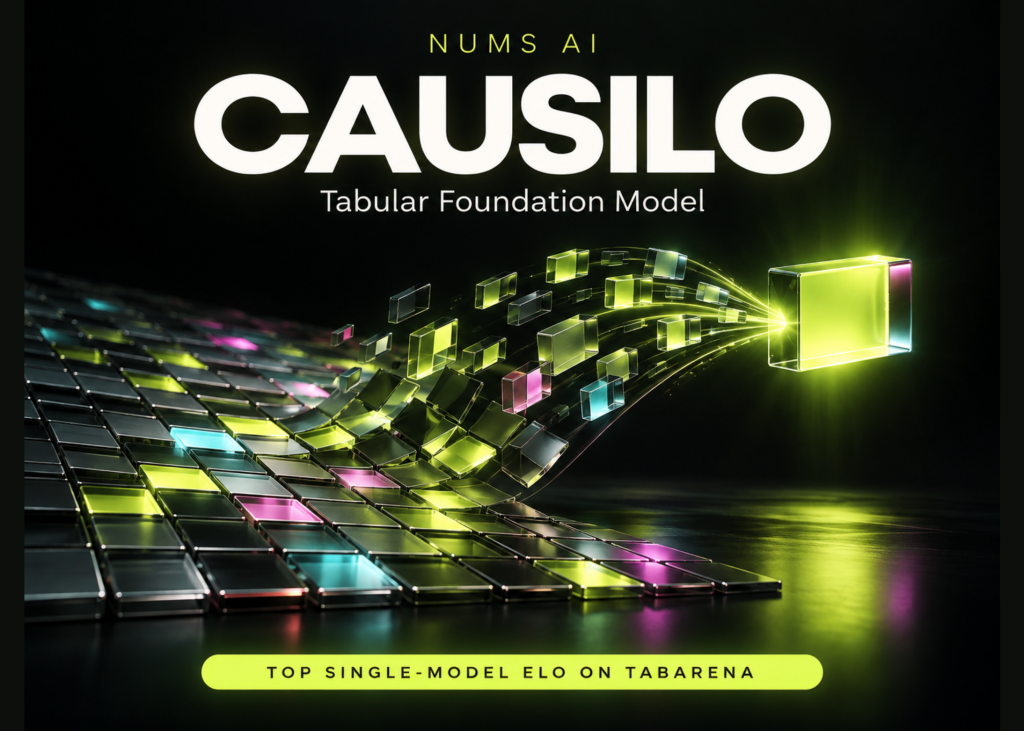
Nums AI has introduced Causilo, a tabular foundation model that leads the TabArena benchmark among single models with an Elo rating of 1794.
T-Bank has released the Perseus framework for processing heterogeneous user event sequences, supporting tasks ranging from recommendation ranking to regression.
An overview of the RBF SVM machine learning method, covering its mathematical foundations, the role of support vectors, and techniques for handling non-linear data classification.
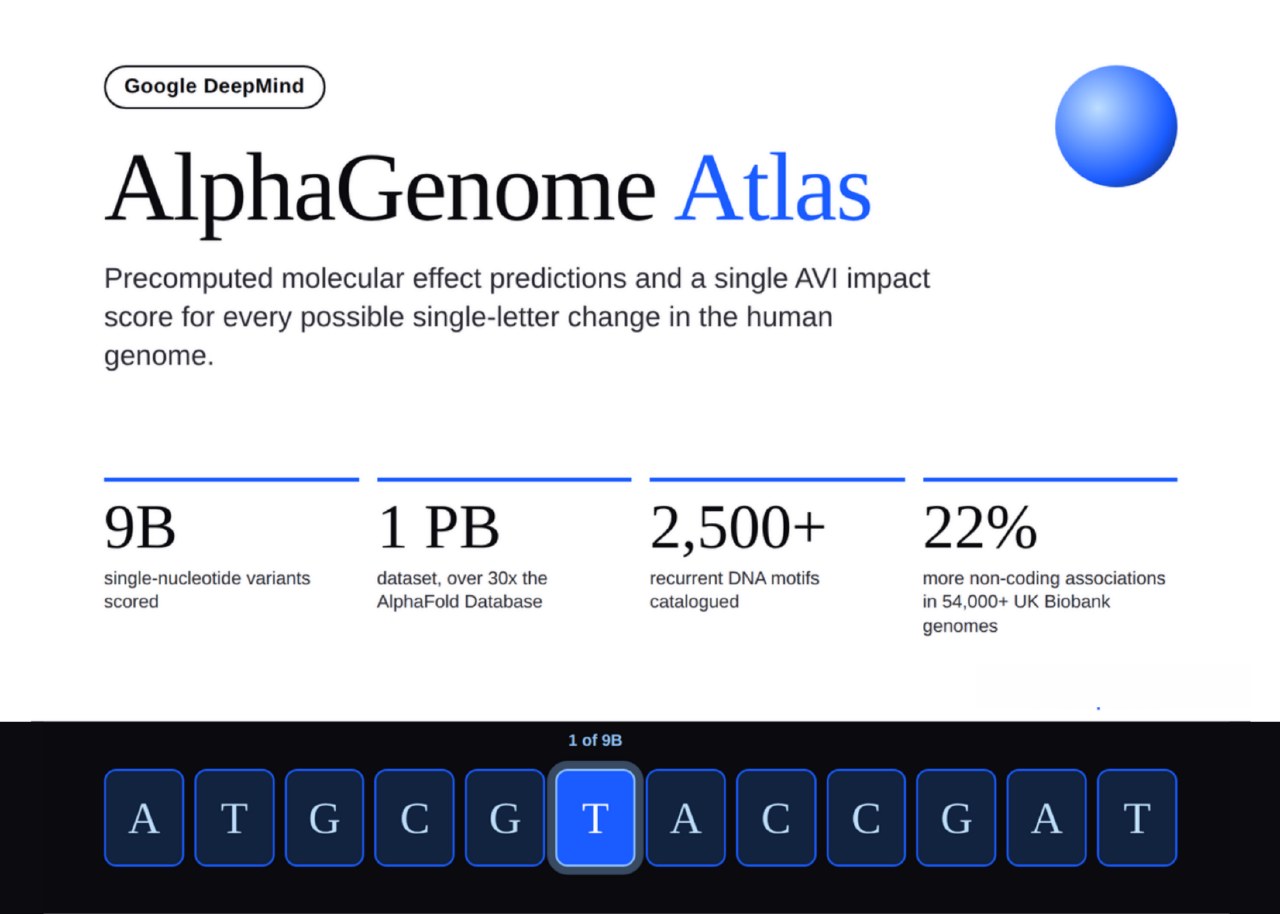
Google DeepMind has released the AlphaGenome Atlas, a 1-petabyte dataset covering 9 billion human DNA variants to accelerate genomic research.
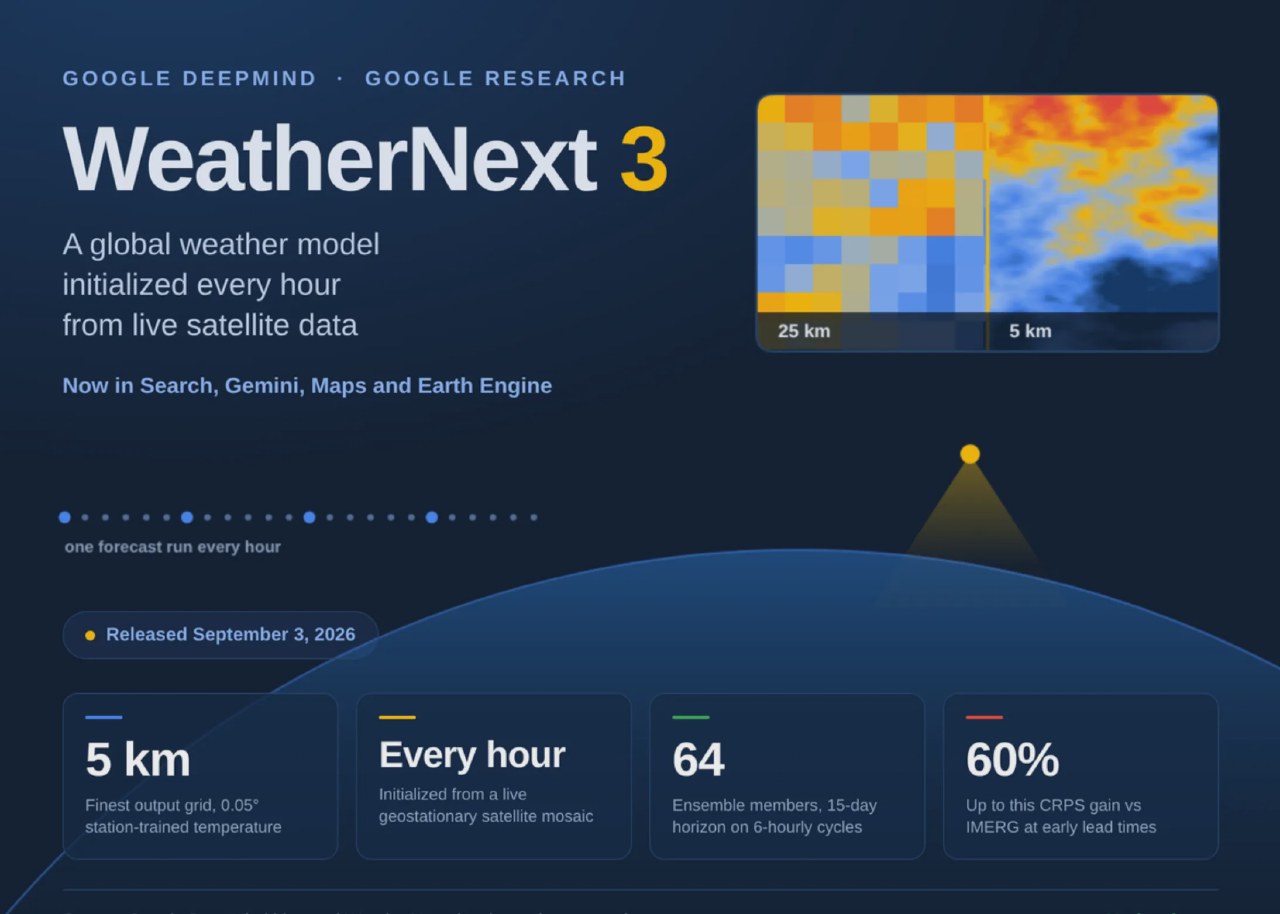
Google DeepMind has launched WeatherNext 3, an AI weather forecasting model that provides hourly updates with 5 km resolution for global atmospheric data.