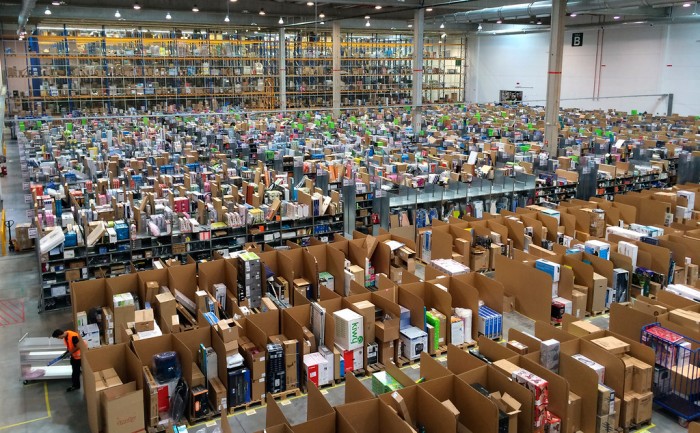
New EU tax policies on low-value imports, including a 2 EUR processing fee effective November 1 and a 3 EUR tariff introduced in July, have caused a 50% decline in cross-border e-commerce cargo volumes to Europe. Despite this drop, traditional trade goods and high demand for AI and semiconductor equipment, driven by global data center construction, have stabilized the market.
Air freight rates are currently rising due to limited capacity, high fuel costs, and reduced passenger flights to Europe. Rates from South China to Europe are around 45 CNY per kilogram, while US-bound routes have reached 60 CNY per kilogram. Industry experts note that while e-commerce demand is shifting toward the Middle East and South America, AI-related infrastructure remains a key growth driver for air cargo.
Looking ahead to next year, logistics companies are prioritizing US routes over European ones in their contract negotiations. Executives highlight that fuel costs, which have surged to nearly 2 USD per kilogram compared to the historical average of 50 cents, remain the primary factor influencing future pricing. Major carriers like China Cargo Airlines and China Eastern Logistics are adjusting their networks to mitigate the impact of changing tax regulations.