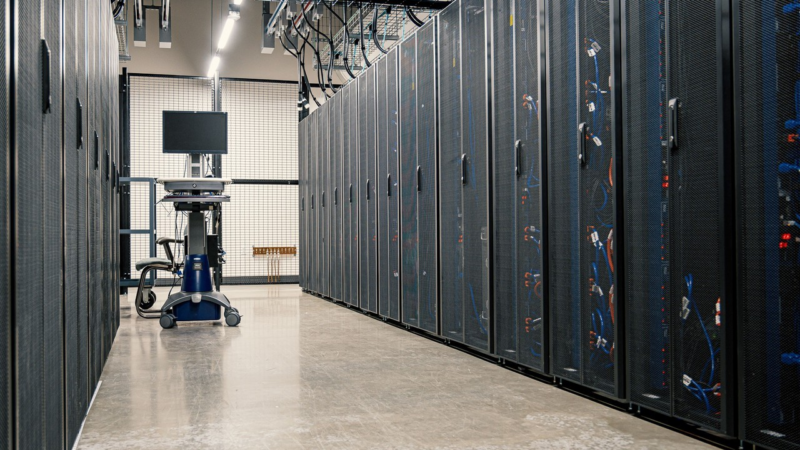
Governments in Southeast Asia are restricting data center construction due to high electricity and water consumption. In Thailand, authorities paused 49 projects and froze 117 pending applications. The government aims to establish unified standards for resource usage, safety, and economic impact, as current data is fragmented across 16 agencies.
Thailand’s Board of Investment approved $27 billion in AI and data center projects in the first half of 2026. However, the Energy Minister proposed higher electricity tariffs for these facilities, citing reliance on expensive imported gas. Meanwhile, in Malaysia’s Johor state, investment reached $40 billion, with power consumption by data centers expected to hit 40% by 2035.
Johor authorities have requested that operators delay expanding water-cooled facilities until mid-2027. In Indonesia, the governor of West Java halted construction of a 640 MW BDx Data Centers project in September 2026 due to incomplete documentation. Despite these measures, companies like Microsoft continue investing in Indonesian infrastructure, including a $1.7 billion program.
Industry players are attempting to mitigate infrastructure strain through new cooling systems and water recycling. Some firms are building wastewater treatment plants or using treated water to avoid tapping into public supplies. Analysts note that while data centers attract significant construction capital, they create relatively few permanent jobs compared to other industries.