A team led by the University of Cambridge has challenged the long-standing theory that comets delivered the essential chemical building blocks for life to Earth. Through advanced computer simulations, researchers found that the delivery of prebiotic molecules by comets is extremely rare rather than a consistent process.
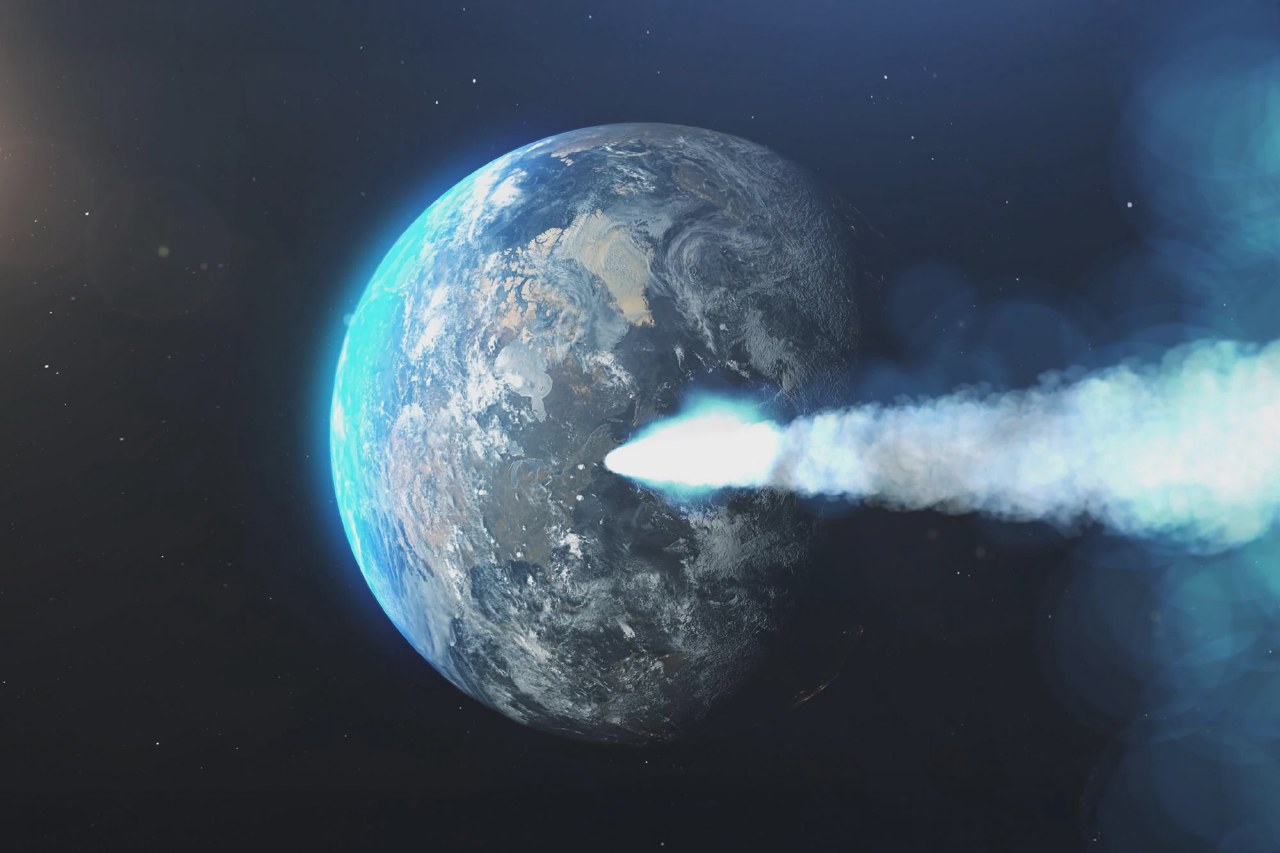
The study highlights that most comets enter the atmosphere at high velocities and unfavorable angles. These intense impacts generate extreme heat and shockwaves that destroy fragile organic compounds, such as hydrogen cyanide, before they can reach the surface intact.
Researchers examined the possibility of comets slowing down by bouncing between planets, but simulations showed this mechanism remains highly unlikely even under optimal conditions. The team suggests that if comets did deliver such materials, it would be a one-in-a-million event rather than a steady supply.
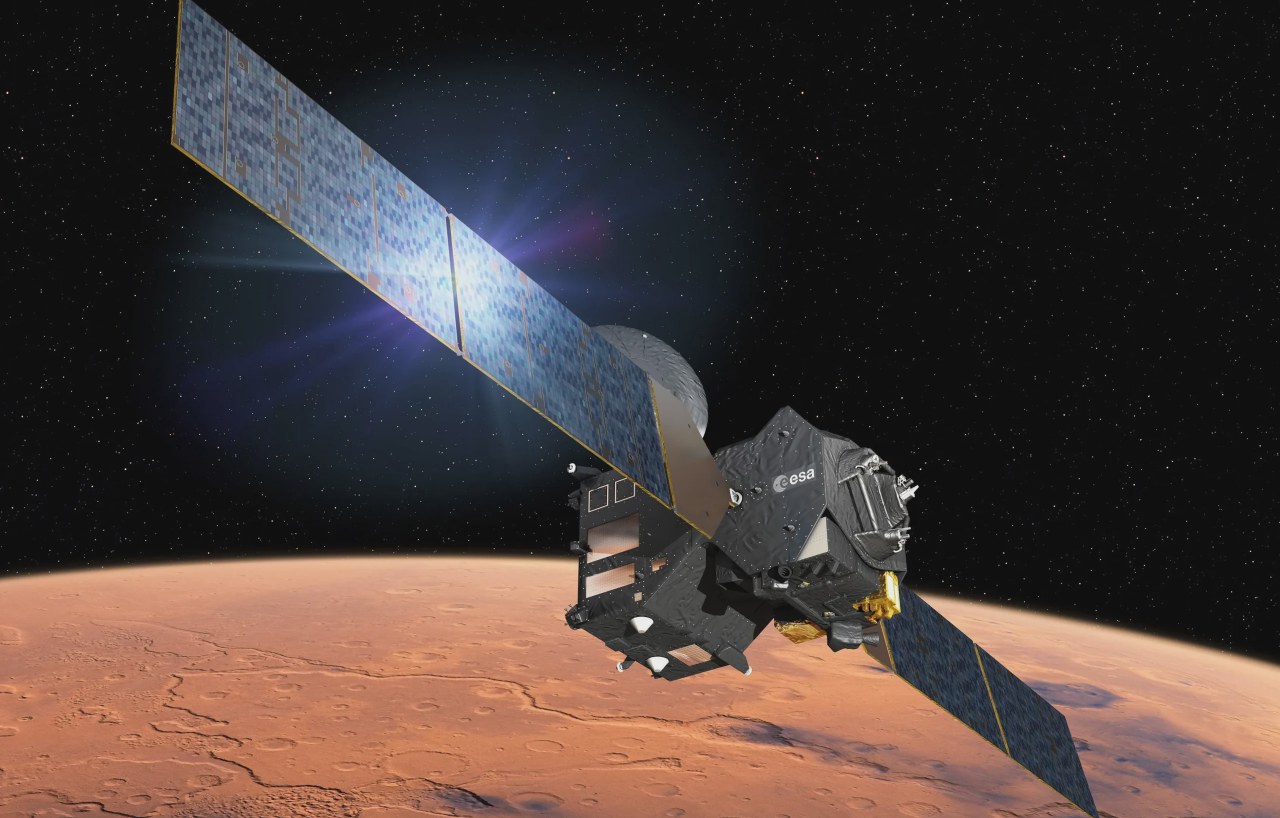
The study also evaluated Mars, noting that its lower gravity might cause less damage to organic molecules upon impact compared to Earth. However, the researchers emphasized that the probability of successful delivery to Mars remains very limited and is not considered a common occurrence.
As the comet-seeding theory faces scrutiny, scientists are reconsidering alternative sources for life's origins. Potential theories include the formation of key molecules directly on early Earth or the delivery of materials via asteroid impacts, which occur more frequently and with less destructive force.