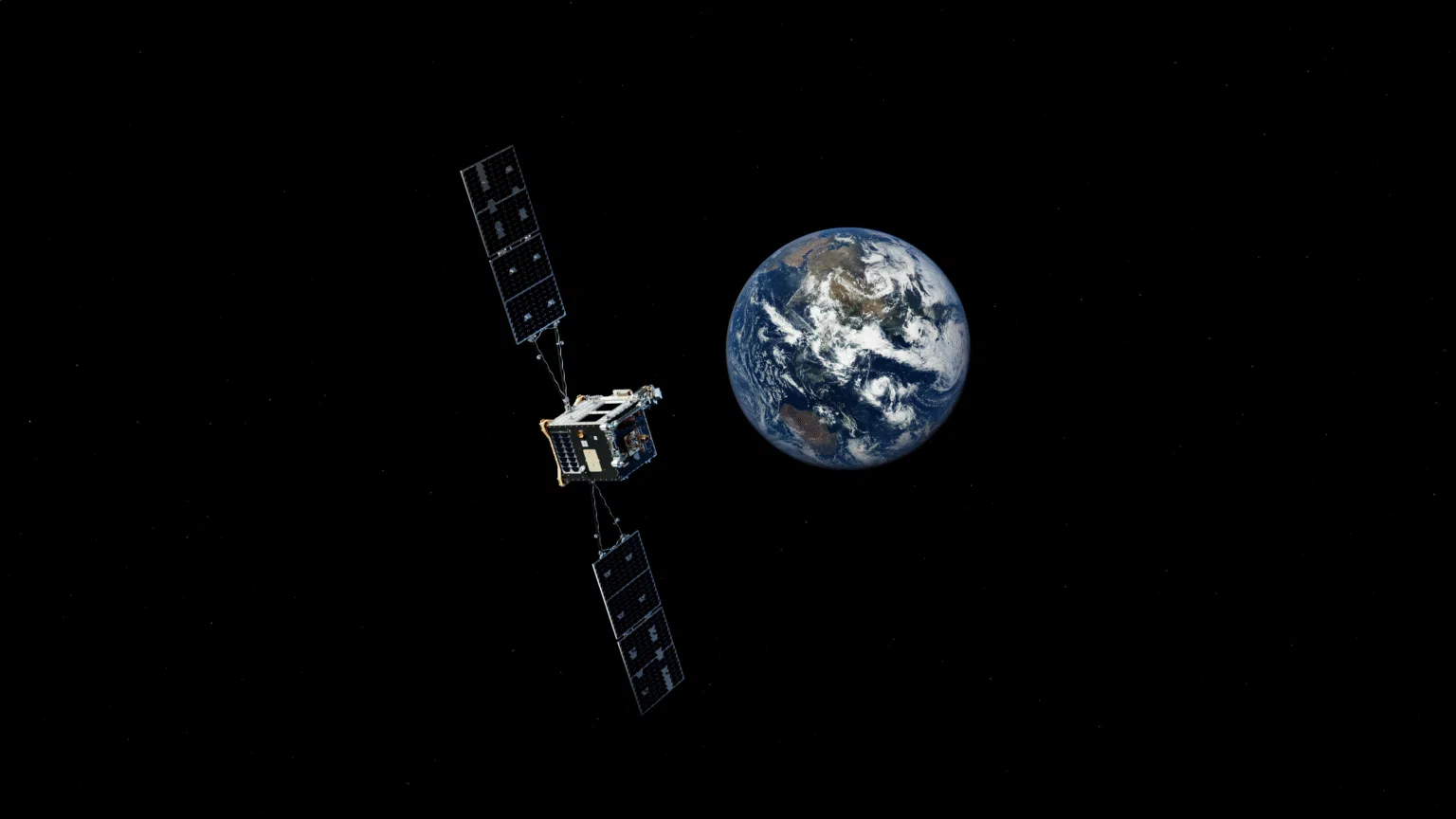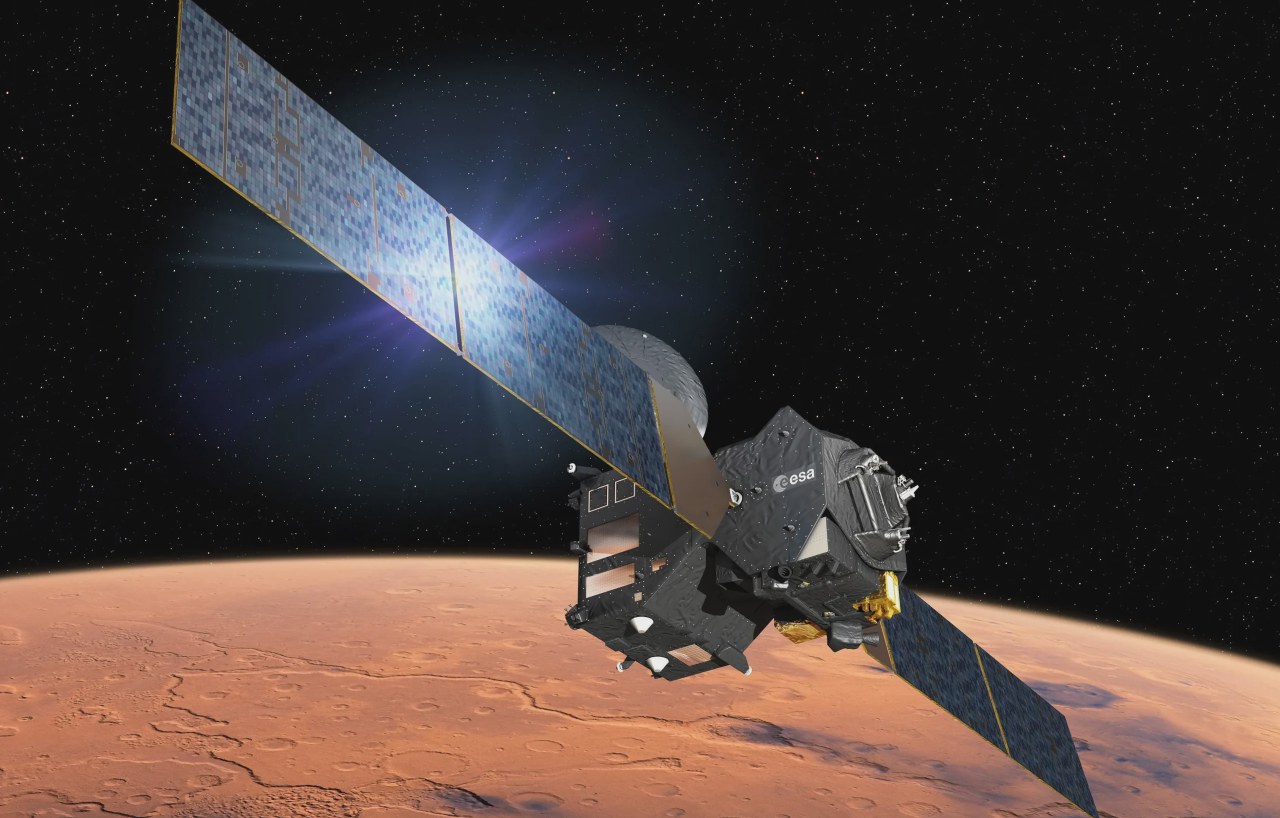
The ExoMars Trace Gas Orbiter (TGO), a joint mission by the European Space Agency and Roscosmos, has identified potential evidence of volcanic activity on Mars. Researchers discovered new surface fissures near the Alba Mons volcano in the northern Tharsis region that appear to release hydrogen chloride gas.
The TGO, which launched in March 2016 and entered a 400 by 400 km orbit around Mars in October 2016, detected spikes of hydrogen chloride during the early summer in the northern hemisphere. Scientists believe these gases are trapped by ice during winter temperatures as low as -120 degrees Celsius and released when the ice melts.
The team utilized the TGO’s Atmospheric Chemistry Suite to localize the gas emissions and the Colour and Stereo Surface Imaging System, featuring a 4.5 m-per-pixel resolution camera, to identify the fissures. These features range from tens to hundreds of meters in length and show signs of surface color changes.
Researchers suggest the emissions originate from a dormant magma chamber beneath Alba Mons. The findings, published in Science Advances on November 4, indicate that Mars may retain sufficient internal heat to support volcanic processes, potentially creating localized environments with conditions suitable for microorganisms.