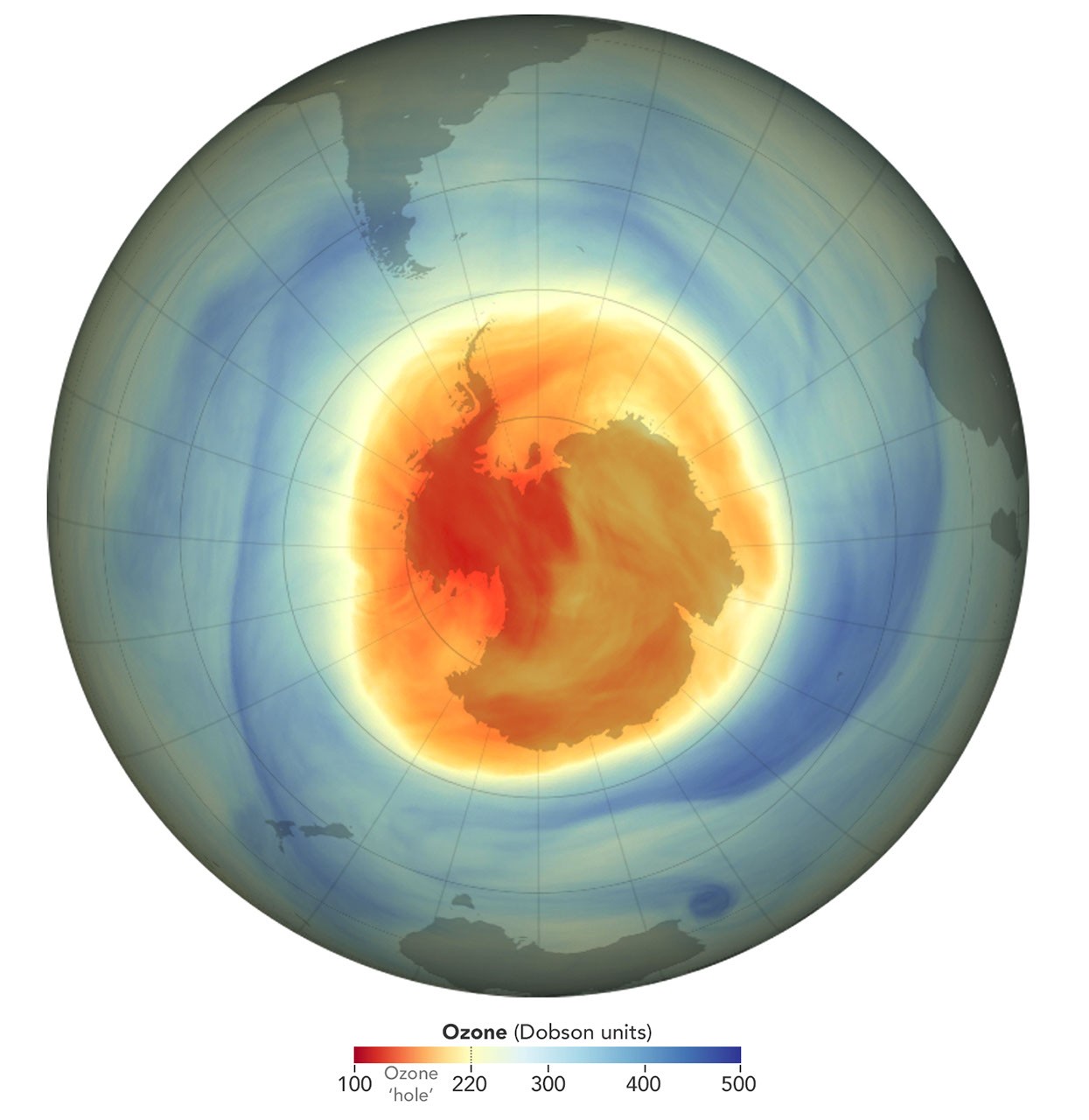
NASA and NOAA reported that the 2026 Antarctic ozone hole ranked as the seventh largest by area in 48 years of monitoring. During the peak depletion season from September 7 to October 13, the average extent of the hole covered 25 million square kilometers.
The maximum one-day extent for the year was recorded on September 18, reaching 27.1 million square kilometers. Scientists attribute the increased size to an unusually powerful polar vortex and weak planetary-scale weather systems that failed to break up the vortex during August and September.
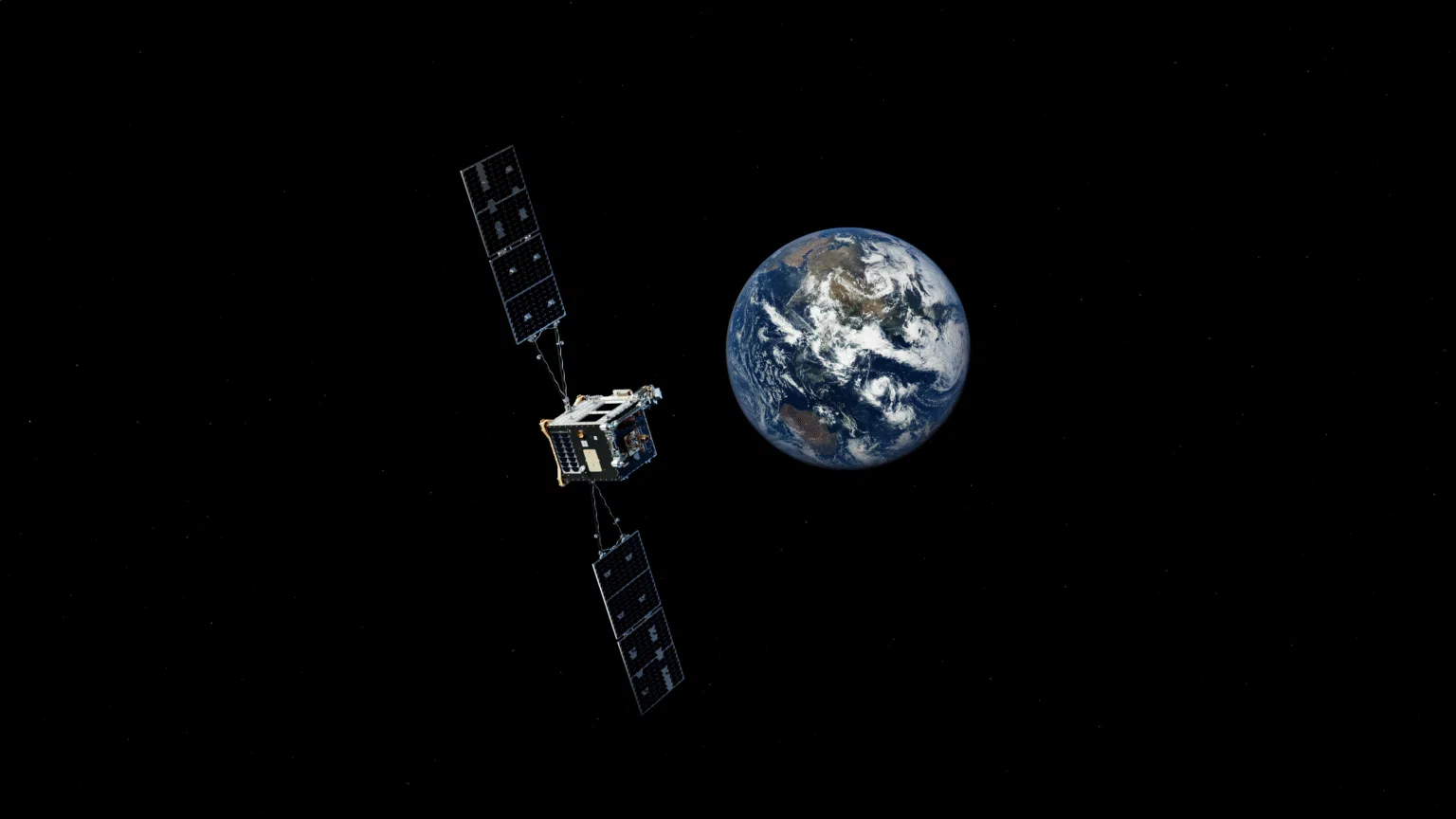
Despite the large area, the hole was not as deep as previous records. On October 17, ozone concentrations reached a minimum of 105 Dobson units, compared to the record low of 92 Dobson units observed in 2006. Monitoring relies on data from the Aura, NOAA-20, NOAA-21, and Suomi NPP satellites.
Experts confirm the ozone layer remains on a long-term recovery path due to the 1987 Montreal Protocol. Chlorine levels in the stratosphere have declined by approximately one-third since the 1980s. Scientists estimate full recovery of the ozone hole will occur by the 2070s.