The Fragmented Legal Definition of AI in Russia
Russian legal and technical documents contain multiple, varying definitions of artificial intelligence, creating a complex regulatory landscape for developers and organizations.

Russian legal and technical documents contain multiple, varying definitions of artificial intelligence, creating a complex regulatory landscape for developers and organizations.

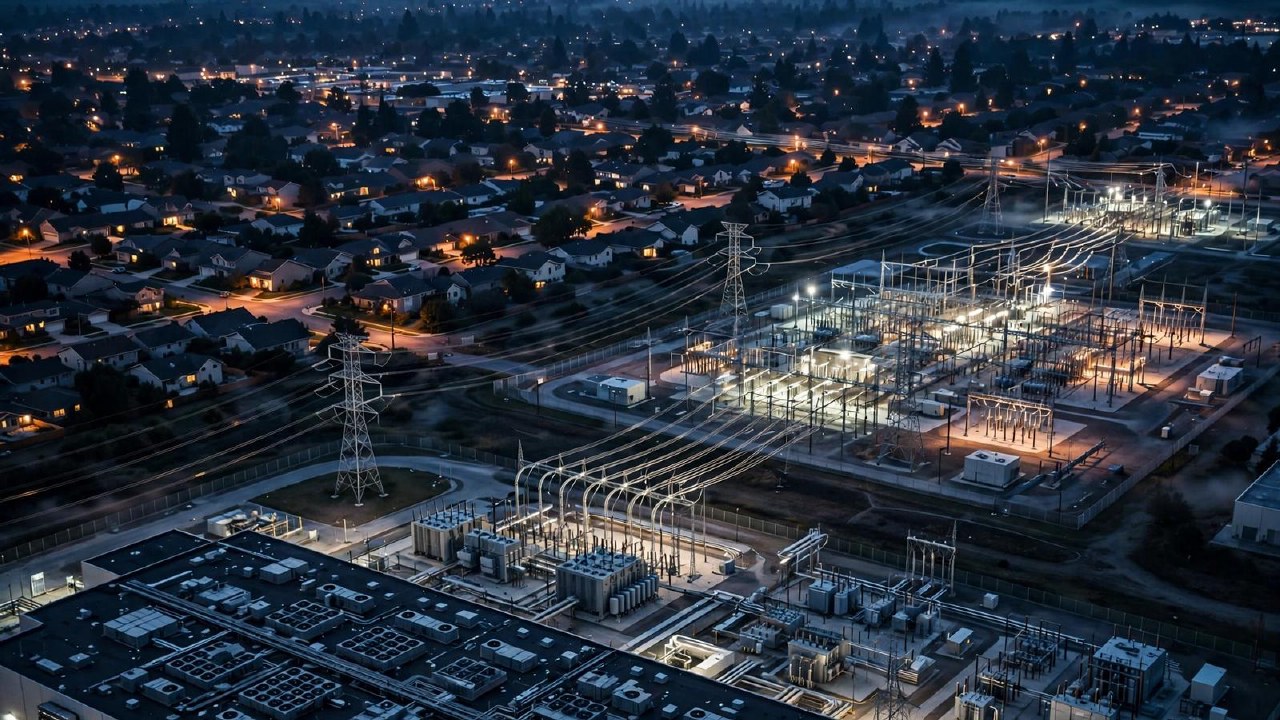
Public opposition to a $165 million data center project in Pennsylvania is reshaping legislative expectations and influencing prediction markets across the United States.

The Russian Ministry of Digital Development plans to mandate 1 Gbit/s internet speeds for apartment residents and introduce extrajudicial license revocation for telecom operators.

US lawmakers introduced a bipartisan bill to regulate data centers, impacting energy infrastructure development and influencing market predictions for state-level moratoriums.

Representative French Hill argues that SEC and CFTC regulatory actions are no substitute for permanent legislation to provide clarity for the U.S. cryptocurrency market.

The Spanish government has introduced emergency decrees to cap rents and mandate lease renewals, triggering a significant withdrawal of rental listings from the market.

The CFTC has introduced a new regulatory framework for crypto exchanges following the failure of the Clarity Act, shifting from enforcement-based oversight to structured federal rulemaking.

The future of U.S. crypto regulation depends on bipartisan congressional action following the rejection of the CLARITY Act, creating uncertainty for market participants.

Hong Kong authorities have reaffirmed their commitment to introduce a comprehensive crypto licensing framework by the end of 2026.

The Norwegian government is moving to temporarily ban AI glasses in sensitive public and private areas to address privacy concerns.

California has passed Senate Bill 1406 to close a tax loophole that allowed residents to avoid sales taxes on luxury vehicles by registering them through shell companies in Montana.

Malaysia plans to introduce its first dedicated AI Governance Bill by early 2027, establishing a three-tier risk framework and a new Central AI Authority.

Only 10% of congressional staffers expect a crypto tax bill to pass by the end of 2026, according to a recent survey.

California has passed new legislation allowing residents to install balcony solar systems and simplifying grid integration for home energy devices.

The US Senate has blocked the Ratepayer Protection Act, which sought to regulate how energy infrastructure costs for large data centers are distributed among consumers.

California Governor Gavin Newsom has vetoed bill SB 1130, which aimed to impose strict privacy regulations and mandatory recording indicators on wearable devices like smart glasses.

California has enacted three new laws to streamline the use of balcony solar systems and integrate home energy devices into the grid to improve reliability and reduce costs.

Senator Steve Daines has introduced the ADAPT Act, a legislative proposal designed to clarify tax treatment for stablecoins, staking, and crypto-related transactions.

Senator Cynthia Lummis predicts that digital asset tax legislation will likely stall in the Senate during the remainder of 2026.

Senators Josh Hawley and Chris Murphy are drafting bipartisan legislation to hold AI companies legally accountable for harm caused by their products.