California Governor Gavin Newsom vetoed bill SB 1130 on September 30, which aimed to regulate privacy regarding wearable recording devices. The legislation, proposed by Senator Eloise Gomez Reyes, sought to prohibit unauthorized audio or video recording in private spaces and mandate visual or audio recording indicators for devices sold in California starting in 2028.
The bill proposed fines of up to $1,500 for individuals recording without consent and up to $2,500 for manufacturers selling non-compliant devices or tools that bypass recording indicators. Industry groups, including TechNet, which represents companies like Meta, Google, and Amazon, opposed the bill, citing concerns over its overly broad scope.
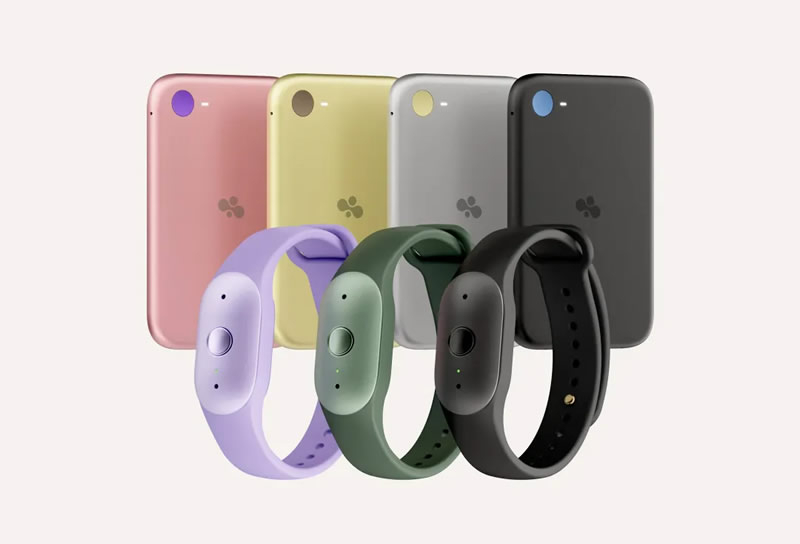
Governor Newsom justified the veto by stating that the definition of 'wearable recording device' was imprecise and could unintentionally cover common electronics like smartwatches. He also noted that existing California laws already address unauthorized recording in private areas, making the new provisions redundant and potentially confusing.
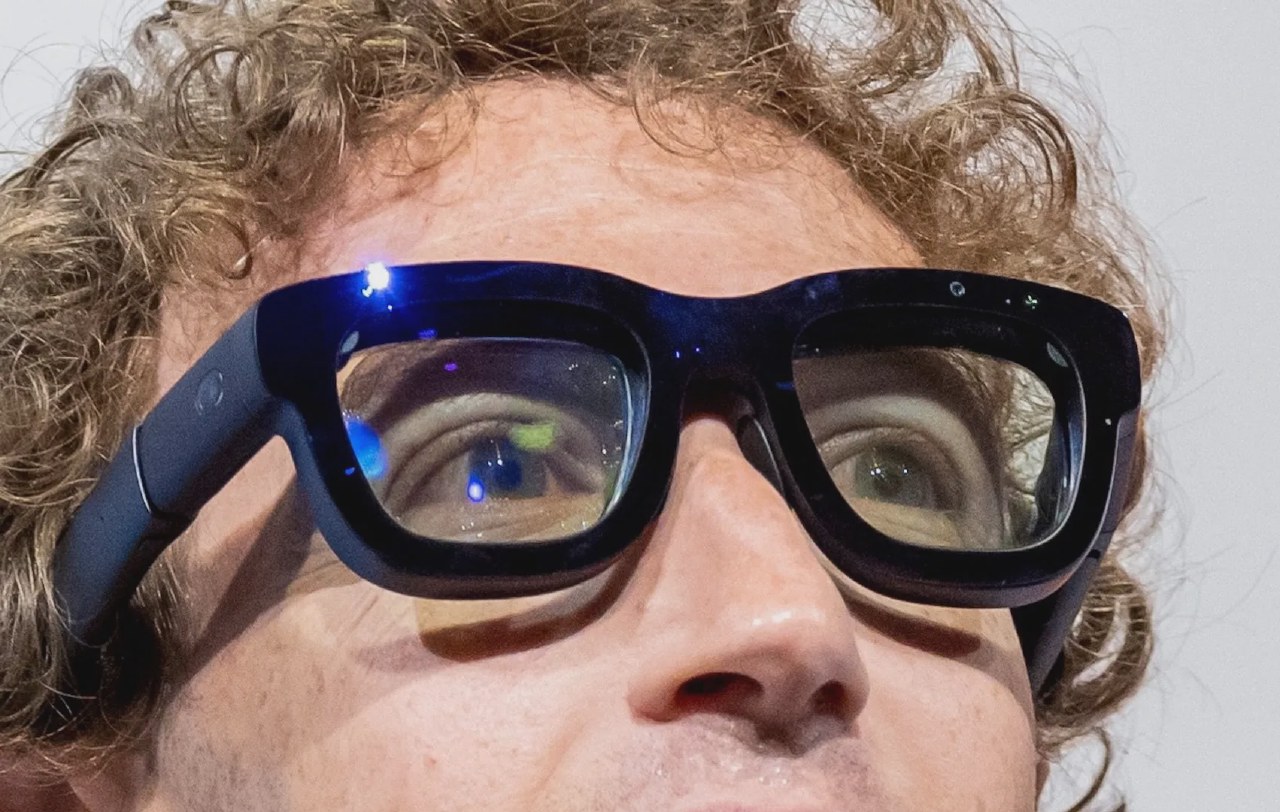
The debate highlights growing concerns over smart glasses equipped with cameras, microphones, and AI, which are becoming increasingly discreet. While current devices like Meta's Ray-Ban smart glasses already include recording indicators, the rapid integration of AI into everyday wearables continues to challenge existing privacy regulations globally.